Professional lash and brow station how-to · Australia
How to Organise a Lash and Brow Treatment Trolley
Build a calm, repeatable station with clear clean-to-used zones, protected stock, service-specific modules, complete between-client resets and par levels based on real appointments.
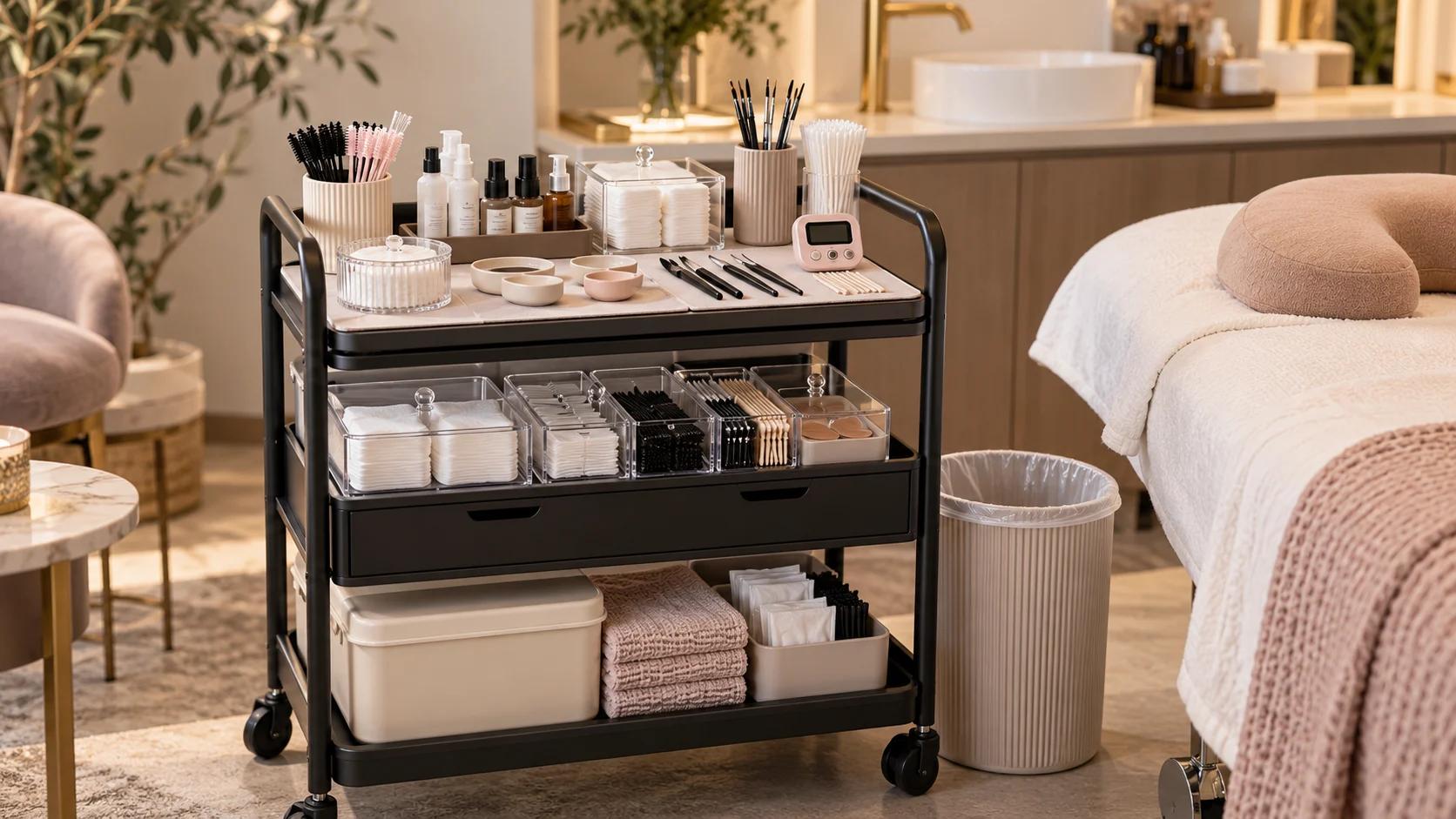
The quick setup
Organise the trolley by workflow, not by how attractive the product labels look. Keep the active top surface sparse, protect clean single-use items and prepared reusable tools, store service-specific backup stock in a drawer or covered container, and create a separate destination for used items and waste. Reset the trolley completely between clients, then restock to a written par level rather than topping up an increasingly mixed collection.
A trolley is a workflow, not mobile storage
A lash and brow trolley should shorten safe, deliberate movement around the client. It should not become a rolling cupboard containing every adhesive, tint, tool and half-open packet the salon owns. When clean stock, active products, used tools, paperwork and waste compete for the same small surface, staff lose time and the chance of a selection or handling error rises.
The best setup starts with the booked service. A classic lash-extension appointment, lash lift, brow tint and brow mapping service need different products. The underlying trolley zones can stay consistent, but the active module changes. Standardising those zones helps a therapist find items without looking away from the working area or reaching over the client.
This guide provides a practical layout and purchasing framework. It does not replace current manufacturer directions, accredited training, workplace procedures or applicable Australian requirements. Product examples were confirmed in the live National Salon Supplies catalogue on 7 October 2026.
1. Choose the trolley around the room and services
Measure the real route from storage to treatment bed before buying. Record available width beside the bed, door clearance, turning space, power cords, therapist seating and whether the trolley must move between rooms. A large model with generous shelves may be useful in one room and obstructive in another.
Check current product dimensions, load guidance, wheel and brake details, shelf or drawer configuration, surface material and assembly information on the live listing. Favour smooth, accessible surfaces that the salon can maintain under its cleaning process. Inspect joins, handles and wheel areas rather than judging cleanability from a product photograph alone.
Closed drawers protect backup items from casual exposure and visual clutter. Open shelves make contents easy to see but require suitable containers and disciplined restocking. A mixed layout—such as one drawer and two shelves—can work when each level has a specific purpose.
Stability matters. Confirm that the trolley sits level, rolls predictably and can be positioned without creating a trip hazard. Do not overload the top, hang heavy bags from one side or use the trolley as a support for the therapist or client.
2. Map four clear workflow zones
A simple station can be divided into four functional zones: protected clean stock, current-service items, used reusable items and waste. These zones do not have to occupy equal space, but they must be visually and physically unambiguous.
- Protected clean zone: covered or closed storage for prepared tools and a controlled quantity of single-use consumables.
- Current-service zone: the few verified products and tools needed for the present step.
- Used-item zone: a clearly identified container or tray that prevents used tools from drifting back into clean storage.
- Waste zone: an appropriately placed, lined receptacle handled under the salon process.
Draw this flow on paper before filling the trolley. Follow the therapist’s real hand movements from preparation to application, timing, removal and reset. If a clean brush must cross the used-item tray to reach the treatment area, revise the layout.
3. Keep the top surface deliberately sparse
The top is a working surface, not a display shelf. At the beginning of a service, place only the items required for the planned workflow. Preserve enough empty space for a stable mixing dish, timer or protected tool tray. Decorative objects, phones, drinks, client bags and unrelated retail testers belong elsewhere.
Avoid placing whole bulk packs on top. Issue the expected working quantity of mascara wands, cotton tips, applicators and pads from protected storage. If more are required, retrieve them without allowing used hands or tools to enter the bulk container.
Keep product labels visible and lids or caps controlled. Never decant similar-looking liquids into unlabelled matching bottles for aesthetic consistency. Accurate identity, batch information, directions and opening controls are more valuable than a colour-coordinated trolley.
4. Use the drawer for protected service modules
A drawer can hold labelled lash-extension, lash-lift, brow-tint or mapping modules in separate lidded trays or containers. The module should contain the compatible tools and controlled consumables for that service, not every product in the category. This makes preparation faster and exposes fewer items during an appointment.
Do not allow open consumables to roll loose in a drawer. Protect them from dust, spills and contact with used items. Place heavier or spill-prone products according to manufacturer directions and trolley stability, not simply where they fit.
Use plain language labels staff can understand at a glance. Avoid abbreviations that only one therapist recognises. If two developers or adhesives look similar, give them separate positions and require exact selection during setup.
5. Give each shelf one purpose
An upper shelf can hold protected reserve consumables or the closed module for the next part of a service. A lower shelf can hold stable, covered supplies or a closed container used during reset. Used tools and waste should never migrate into backup stock simply because the lower level is convenient.
Keep linen and soft items away from spill risk and store them according to salon procedures. Do not stack towels until they obscure trolley edges, interfere with wheels or require the therapist to handle a large pile during an active service.
Leave space around containers so staff can remove one without touching several others. Transparent boxes can help with stock visibility, but they still need labels and a cleaning process.
6. Build a lash-extension module
The exact contents depend on the system and the artist’s training. Common categories may include the verified adhesive and compatible accessories, suitable lower-lash protection, tape where supported, clean isolation and application tweezers, lash trays, controlled single-use applicators, a timer or environmental monitor where relevant, client records and current product directions.
Adhesive storage and working conditions are product-specific. Do not place every adhesive on the trolley or assume a decorative hygrometer creates control. Follow the exact storage, room-condition and opening instructions, and record the product used. The separate lash station humidity guide explains representative monitoring in more detail.
Protect lash trays and tools from dust and contact. Prepare only what the appointment requires. Put used tweezers into the used-tool destination immediately; do not lay them on a towel beside clean pairs.
7. Build a lash-lift module
Keep the exact trained lift system together: current processing products, compatible shields or rods, approved styling or adhesive product where applicable, isolation and application tools, timer, eye-area protection, single-use items and records. Check contents before seating the client so the service is not interrupted by a missing step.
Do not keep unidentified sachets or decanted solutions on the trolley. Record opening details and store products as directed. Shields, rods and reusable tools require a defined cleaning, inspection and storage process appropriate to their material and intended use.
Use the professional lash lift supplies checklist to review the full system, and the shields versus rods comparison when planning form storage.
8. Build a brow-tint module
Group the supported tint and matching developer, current shade records, stable mixing dish, measuring and mixing tools, precision brush, timer, approved preparation and removal items, protected single-use consumables and consultation records. Keep unrelated hair-colour products away from the brow station.
Shade tubes can be arranged in a fixed order so staff notice a missing or low item during reset. Do not use shade names as proof that two brands are equivalent. Record exact brand, shade or supported blend, developer and format under the salon protocol.
The professional brow tint buying guide covers system selection, while the cream versus liquid developer guide compares dispensing and mixing workflows.
9. Build a brow-mapping and shaping module
Choose only mapping tools used in the salon’s trained method: a calliper or ruler, mapping string or pencil, disposable items and approved preparation products. Reusable tools need an appropriate cleaning and storage process. Single-use rulers or applicators should be issued from protected stock.
Mapping supports planning; it does not replace consultation, natural growth assessment or the therapist’s professional judgement. Keep the client’s agreed shape and factual service notes in the record rather than relying on a photograph alone. Obtain appropriate consent for any photography and store records under salon procedures.
If shaping includes wax, threading or tweezing, create a separate compatible module and review the relevant training, product directions and workplace process. Do not add hot equipment or open wax to a crowded lash station without a dedicated plan.
10. Position lighting, power and personal items outside the trolley
Task lighting should illuminate the working area without forcing the therapist to twist, lean or cast a shadow. Secure cords so the trolley can move without pulling equipment or creating a trip risk. Do not route cords through wet or spill-prone zones.
Phones, keys, drinks and handbags should have a separate home. If a phone is used for approved client photography, handle it under a defined process rather than returning it to the trolley among clean tools.
Place client records where they remain readable and protected but cannot be contaminated by active products. Digital records should be completed on a suitable device away from spill risk.
11. Use a complete between-client reset
- Finish and secure the client record, including exact products required by the salon protocol.
- Move used reusable items directly into their identified destination.
- Dispose of single-use items and waste under the salon process.
- Remove remaining current-service items from the top; do not top up over them.
- Clean the trolley and containers using the reviewed workplace process and product directions.
- Return processed reusable tools only after the complete required procedure.
- Check labels, caps, opening dates, damage and low stock.
- Restock a controlled working quantity from protected bulk supply.
- Load the correct module for the next booked service.
- Perform a final visual check: clean zone protected, top clear, used zone empty and waste ready.
Assign enough booking time for this reset. A timetable that assumes the trolley cleans and restocks itself creates pressure to skip steps. Measure real reset time across the team and include it in service planning.
12. Set par levels instead of filling every gap
A par level is the working quantity needed to cover expected services until the next planned restock, plus a sensible buffer. Estimate average use per service, bookings before the next count and supplier lead time. Set separate pars for eye pads, tape, mascara wands, cotton tips, applicators and other high-use items.
Bulk packs should stay in protected central storage. The trolley holds the working quantity only. This makes daily counting faster and prevents open stock from accumulating in multiple rooms.
Record what repeatedly runs out, expires or remains untouched. Raise a par only when usage data supports it; lower or remove slow items. Never substitute an incompatible product during a stockout simply to keep the appointment moving.
13. Create opening, closing and weekly checks
The opening check confirms the trolley is stable, clean, correctly stocked and ready for the day’s booked services. Verify product identity, visible opening or expiry controls where required, protected tools, working timer and light, waste setup and clear access around the bed.
The closing check empties waste, moves tools through the complete required process, cleans the trolley, returns stock to its defined home and records shortages. Do not leave a half-reset station for the first therapist the next morning.
At a consistent weekly time, count core consumables and complete systems, check forward bookings and place replenishment orders. Monthly, inspect trolley wheels, brakes, drawers, shelves, containers and labels; remove damaged, expired, duplicated or obsolete items.
Trolley zone decision table
| Area | Purpose | Keep out |
|---|---|---|
| Top surface | Current-stage products, protected tools and timer | Bulk packs, personal items and unrelated services |
| Drawer | Labelled clean service modules and controlled backup | Loose used tools and open mixed consumables |
| Upper shelf | Protected reserve or next-step closed module | Unstable bottles and uncontained waste |
| Lower shelf | Stable covered supplies or reset container | Overflow that interferes with wheels |
| Used zone | Immediate destination for used reusable items | Clean tools and fresh consumables |
| Waste zone | Appropriate disposal within easy reach | Backup stock, linen and client belongings |
Common trolley problems and practical fixes
- The top is full before the service begins: move bulk stock and later-stage products into protected storage; load only the current module.
- Staff keep choosing the wrong bottle: separate similar products, improve labels and require exact identity in setup and records.
- Consumables run out mid-service: calculate a working par from measured use and replenish during every reset.
- Used tools return to the top: move the used-tool container to the therapist’s natural hand path and retrain the workflow.
- Drawers become mixed within days: use fitted labelled modules, assign a weekly audit owner and remove items without a defined home.
- The trolley is hard to move: reduce overload, inspect wheels and route cords; replace or repair equipment when appropriate.
- Reset time is inconsistent: use the same ordered checklist, observe the real process and allow enough time in the booking schedule.
How to trial a new trolley layout
Photograph or diagram the proposed clean layout without client information, then trial it with trained staff during ordinary correctly conducted services. Ask therapists to record unnecessary reaches, missing items, selection confusion, spill risk and reset time. Do not change product directions or compress treatment steps to make the layout appear faster.
Review feedback after several service types. A layout that suits brow tinting may need a different top-surface map for extensions. Keep the four zones consistent even when modules change. Update the trolley diagram, staff checklist and par sheet once the final layout is approved.
Design the trolley around therapist ergonomics
A beautifully organised trolley can still create a poor working position. Set the bed, stool, light and trolley together, then observe where the therapist’s shoulders, wrists and torso sit during ordinary trained work. Frequently used items should be reachable without twisting behind the body, stretching across the client or repeatedly standing to search through a low shelf.
Right- and left-handed therapists may need mirrored top-surface maps. That does not require abandoning standardisation: keep product categories and clean-to-used flow consistent while allowing the working side to change. Photograph or diagram both approved versions so a room reset does not depend on memory.
Do not solve reach problems by piling more items on top. Adjust the trolley position, reduce the active selection and move later-stage products into a protected module. If a therapist still cannot maintain a practical position, review the furniture and room layout rather than expecting posture to compensate for unsuitable equipment.
Managing one trolley across multiple treatment rooms
A shared mobile trolley needs a clear ownership and handover process. Before moving rooms, close and secure products, remove waste, complete used-tool handling and protect clean stock. The trolley should arrive as a reset station, not carry the remains of one client into the next room.
Keep each room’s fixed supplies separate from trolley inventory. Otherwise staff cannot tell whether a missing item is in central storage, another room or an unchecked drawer. Use a concise module list and a consistent restock point. If two rooms regularly need the same trolley at overlapping times, the solution may be another appropriately equipped station rather than increasingly dense storage.
Check thresholds, lifts and narrow doorways before treating mobility as a feature. Lock or stabilise the trolley once positioned and preserve access to exits, doors, handwashing facilities and the therapist’s route around the bed.
Calculate the business case for a trolley upgrade
Compare more than the purchase price. Record current setup and reset time, avoidable trips to storage, duplicated stock, damaged containers, service interruptions and the working life of existing furniture. A new trolley may improve the workflow, but only when the layout, modules and team habits are redesigned with it.
Do not manufacture a savings claim from a short demonstration. Measure several real services before and after the change without omitting required steps. Include assembly, containers, labels, staff training and any additional room equipment in the upgrade cost.
Review results after the first month: average setup and reset time, stock variance, missing items, staff feedback and whether the clean-to-used zones remain intact. If clutter has returned, more shelves are unlikely to be the answer. Remove items without a defined role and correct the restocking process.
Monthly trolley audit checklist
- Wheels, brakes, handles, shelves and drawers operate as intended
- Surfaces and containers remain suitable for the salon’s cleaning process
- Every item has a labelled home and a current service purpose
- No unlabelled, damaged, expired or obsolete product remains
- Clean stock is protected and bulk packs stay outside the active zone
- Used-item and waste destinations are clear and practical
- Opening controls and service records match current products
- Par levels reflect recent use and forward bookings
- Service modules match current menu, training and directions
- Approved right- and left-handed layouts remain workable
- Cords, lighting and trolley position preserve a clear room route
- Staff feedback and recurring selection errors have been reviewed
Current products to investigate
These examples show the furniture, tools and consumables a trolley plan may need. They are not a universal kit or ranked list. Verify every product against the booked service and current directions.
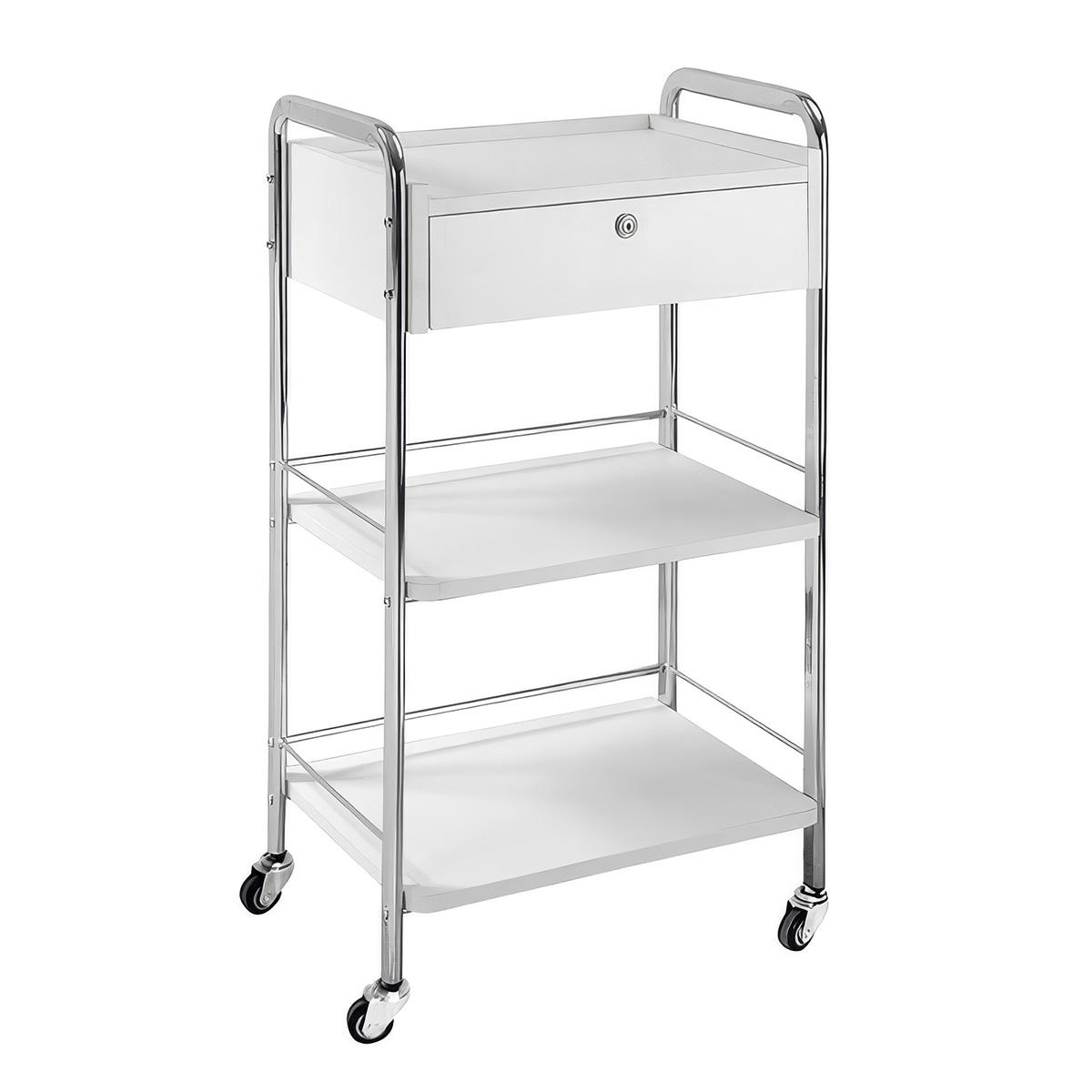
Trolley
3 Tier Beauty Trolley — 1 Drawer 2 Shelves
A current parent-catalogue example with one drawer and two shelves; check current dimensions and details before purchase.
Check current details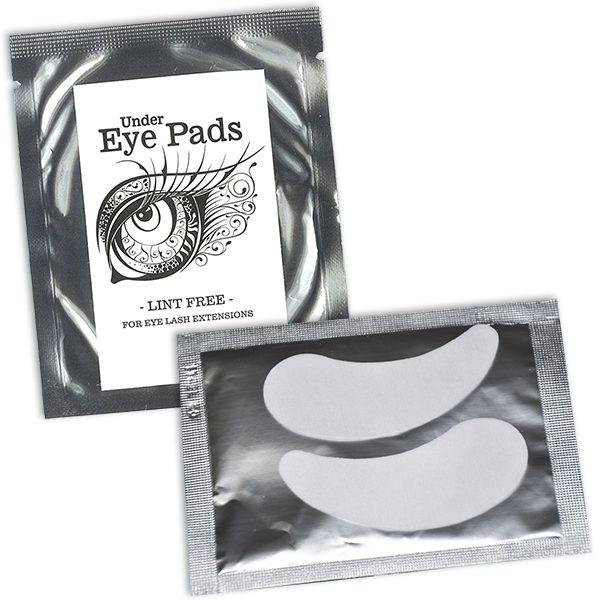
Lash consumable
Under Eye Lint Free Eye Pads for Lash Grafting
A current lower-lash protection consumable listed for lash extension application.
Check current details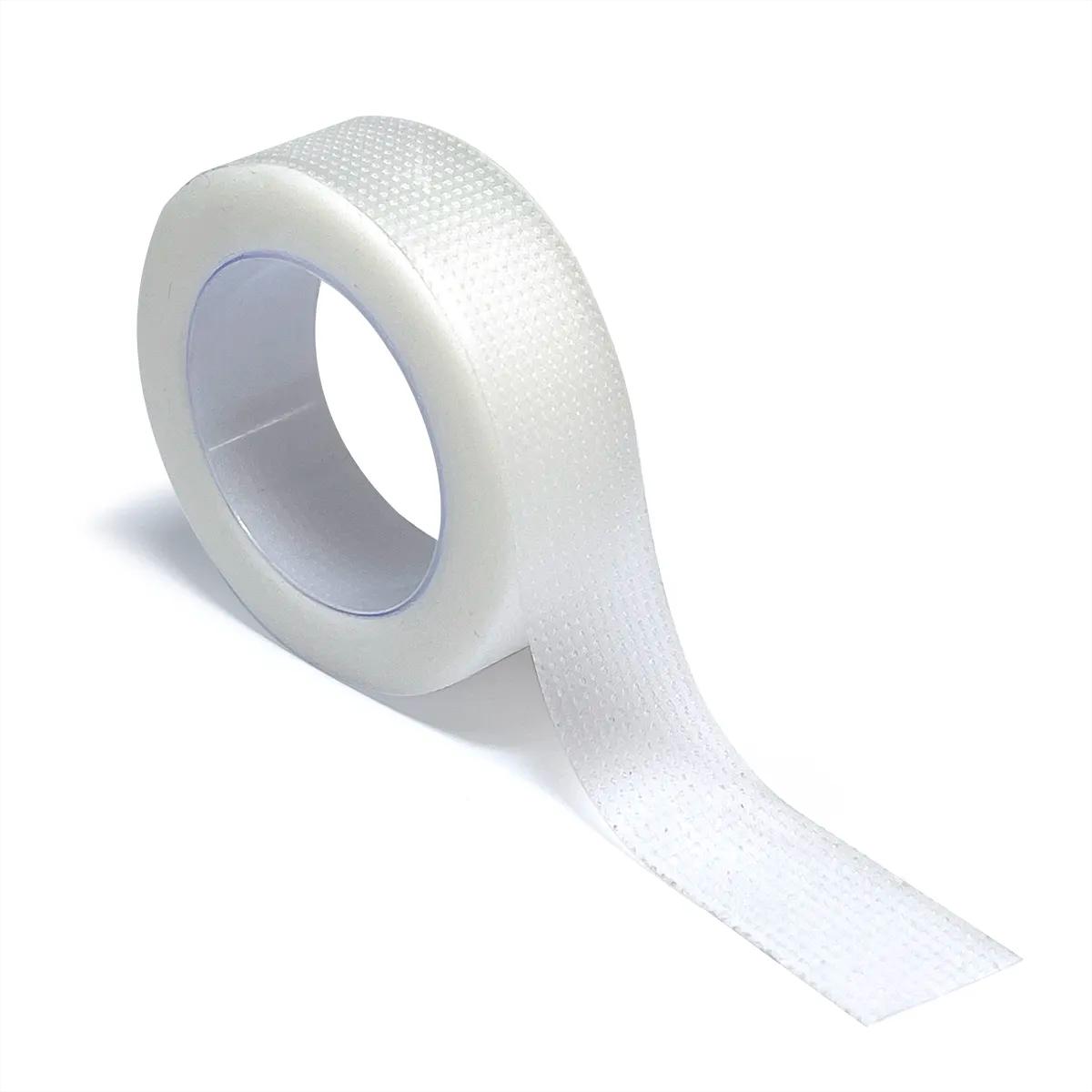
Lash consumable
Paper Free Lash Tape
A current lash-tape option listed for covering or holding lower lashes during grafting.
Check current details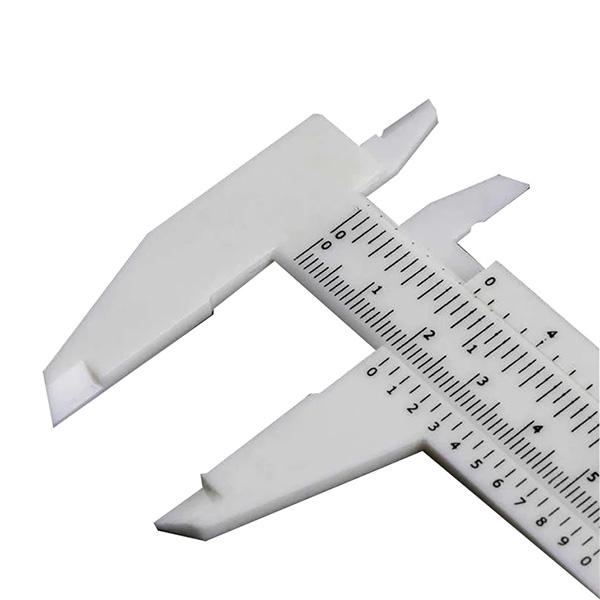
Brow mapping tool
NSS Brow Mapping Calliper
A current plastic calliper listed for brow mapping and measuring.
Check current details
Disposable applicator
Disposable Mascara Wands 100 Pack
A current bulk pack that can be protected in clean storage and issued one at a time.
Check current details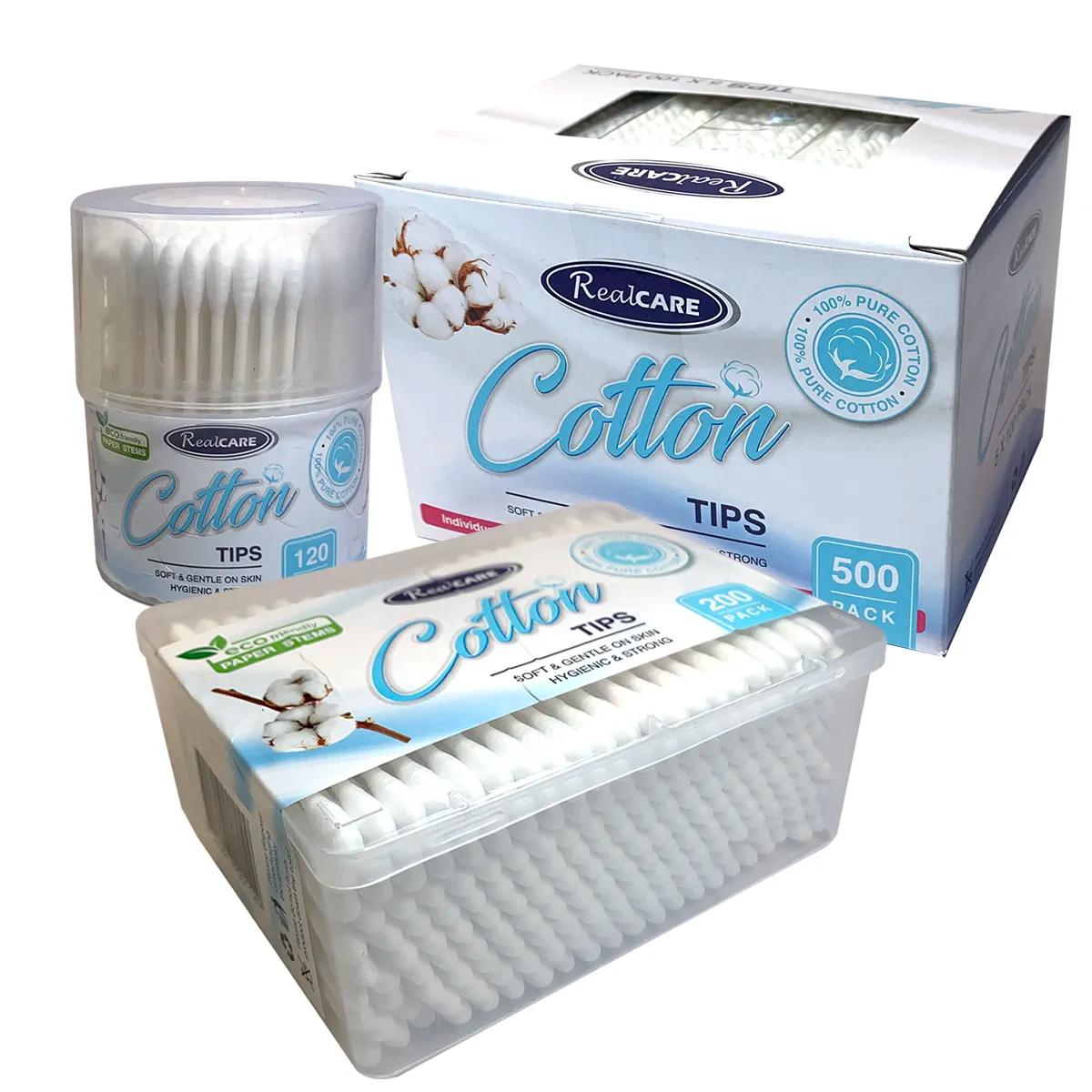
Precision consumable
Real Care Eco-friendly Paper Stem Cotton Tips
A current paper-stem cotton-tip range listed for professional beauty work.
Check current details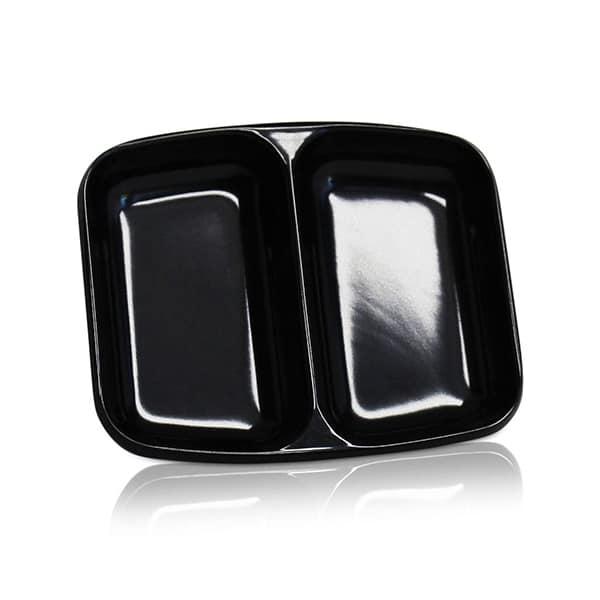
Tint mixing tool
Refectocil Lash & Brow Tint Mixing Dish
A current reusable dish for a visible, controlled tint-mixing workflow.
Check current details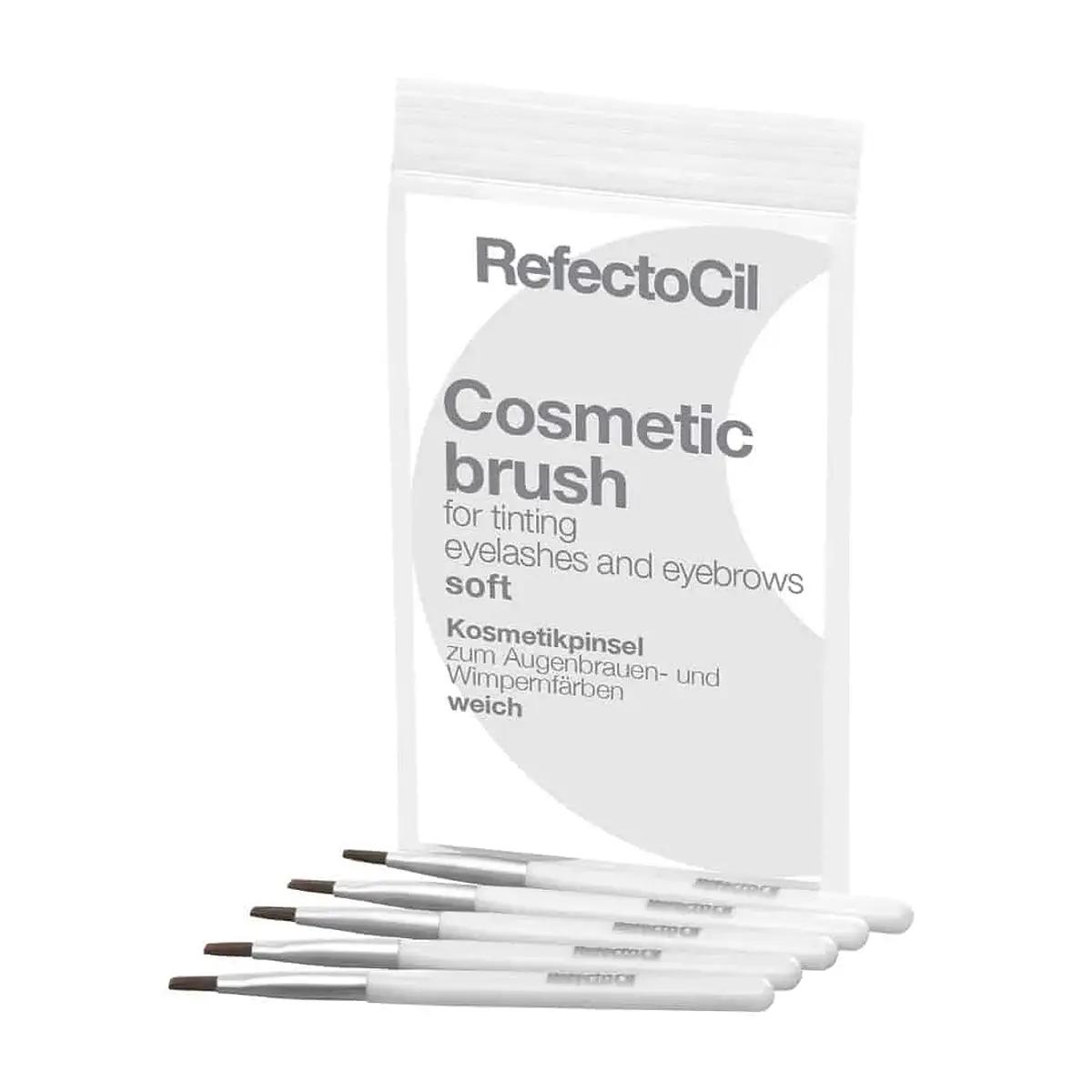
Tint application tool
Refectocil Tint Brushes Soft 5pk
A current synthetic-bristle brush option listed for precise lash and brow tint application.
Check current details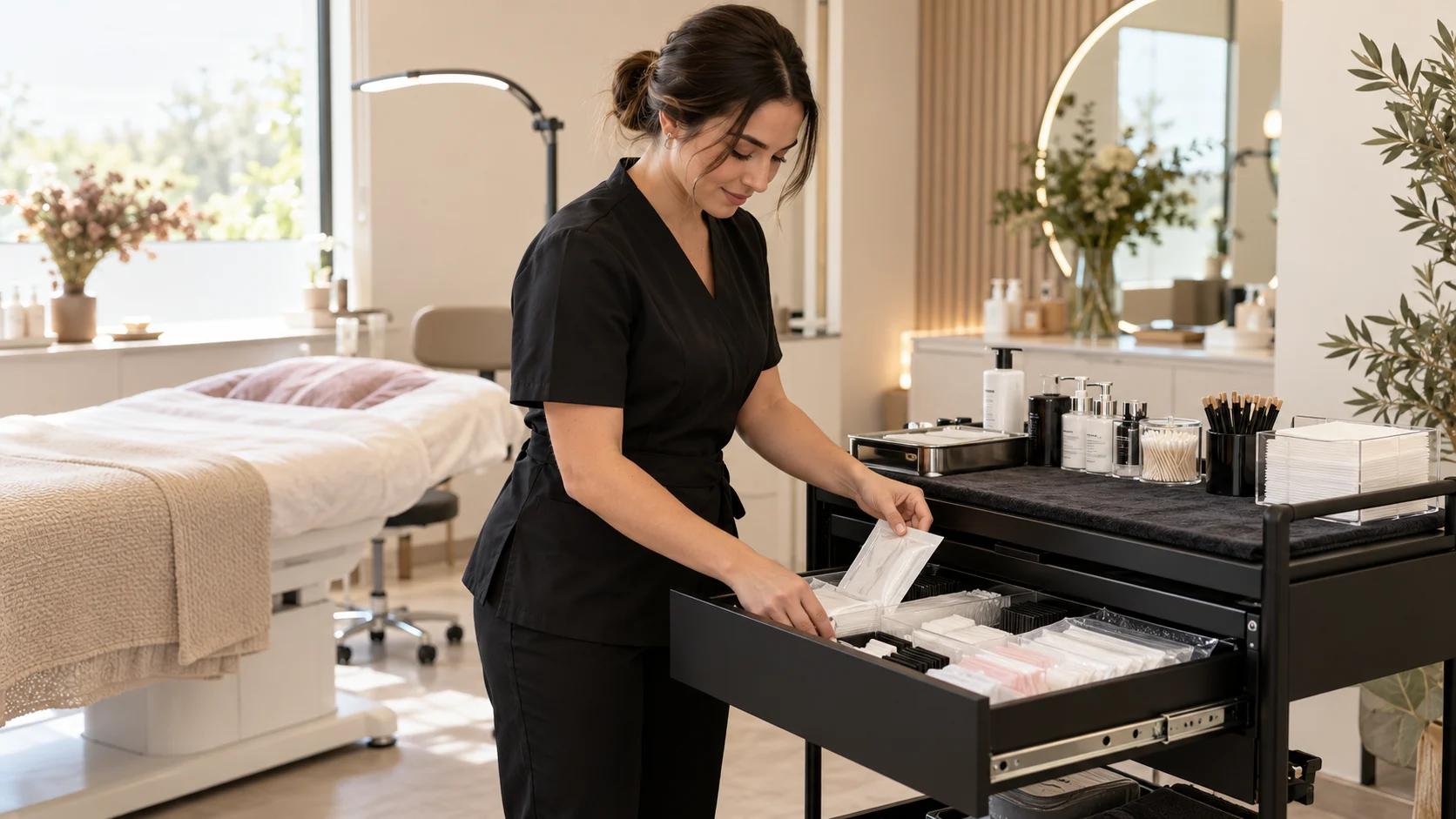
Final recommendation
Choose a trolley that fits the measured room, then organise it around clean-to-used movement. Keep the top sparse, protect working stock, load one service module at a time and give used tools and waste an immediate destination. The commercial benefit is not maximum storage—it is a calm, repeatable setup that lets trained staff complete the full service and reset without guessing.
Build your lash and brow station
Compare current beauty trolleys and professional lash accessories on National Salon Supplies.
Frequently asked questions
What belongs on the top of a lash and brow trolley?
Keep only the verified products, protected tools and small quantity of consumables needed for the current stage of the booked service. Avoid turning the top into open bulk storage, and preserve a clear separation between clean preparation and used items.
Should lash and brow services use the same trolley setup?
The trolley can be shared when the salon has a documented reset and each service has its own compatible products, tools and station map. Do not leave unnecessary lash adhesive, tint, developer or other open products on the trolley for an unrelated service.
Where should used tools go during a treatment?
Place them immediately into the salon’s clearly identified used-tool zone or appropriate container so they cannot return to clean storage. The exact handling and reprocessing process should follow current product instructions, professional training and applicable workplace requirements.
How much disposable stock should be kept on the trolley?
Keep a controlled working quantity protected from contamination and replenish it during the reset. Store bulk backup stock away from the active treatment zone so an open pack is not repeatedly exposed.
How often should a treatment trolley be audited?
Use a brief opening and closing check every working day, a stock count at a consistent weekly time and a deeper monthly review of damage, expired or slow stock, duplicated tools, service changes and trolley layout.