Professional lash station how-to · Australia
How to Control Humidity at a Lash Station
Measure the real working zone, follow the exact adhesive directions and build a stable, documented room process instead of chasing a universal percentage.
The short answer
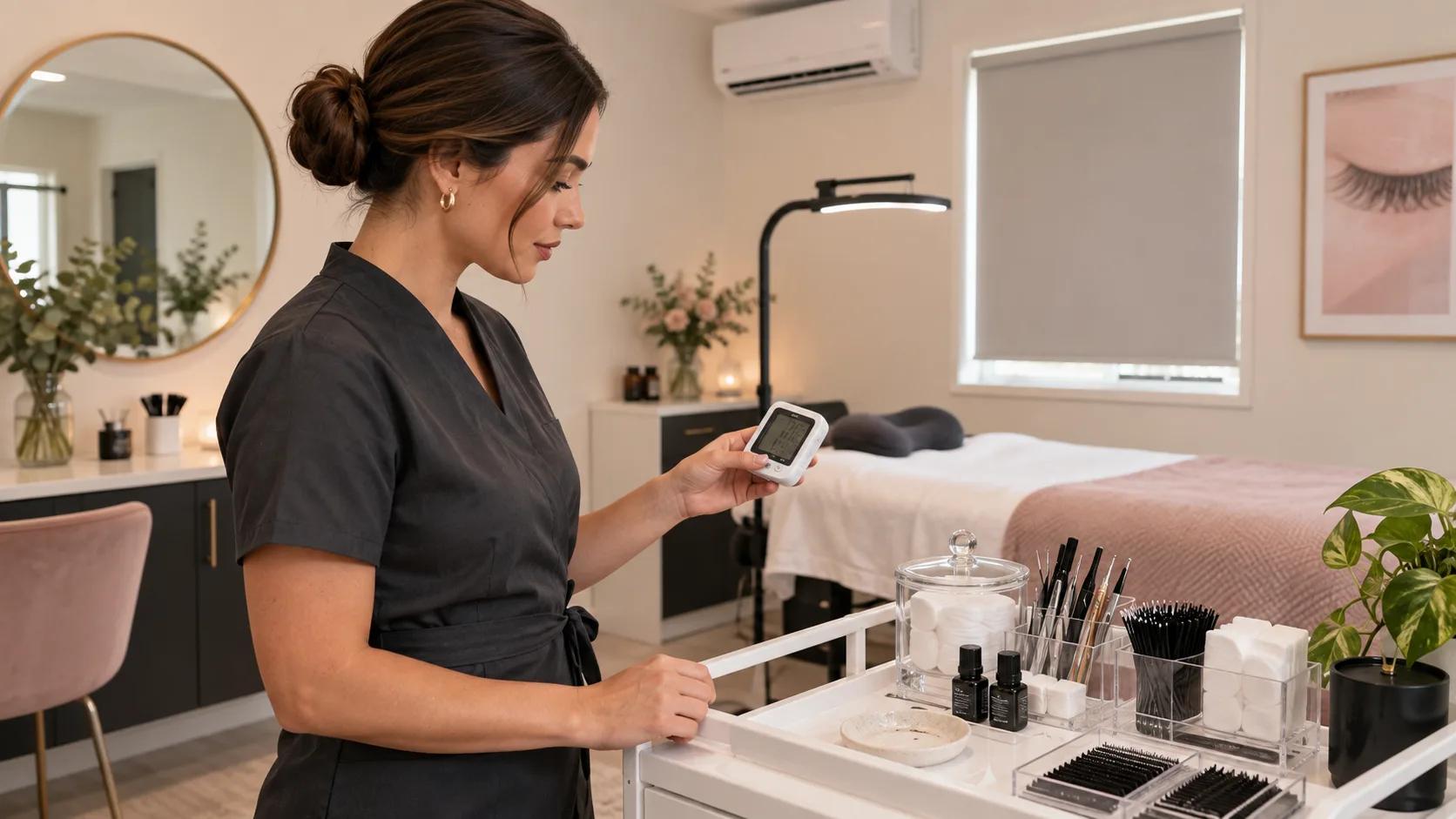
Measure temperature and relative humidity near the lash working zone, compare both with the current directions for the exact adhesive, and stabilise the room before appointments. Do not chase a universal internet target. Reduce sudden swings from open doors, direct air-conditioning, sunlight, steam and overcrowding; log conditions; store adhesive exactly as directed; and pause to troubleshoot when the environment or adhesive behaviour moves outside the trained process.
Humidity control at a lash station begins with the adhesive
“What humidity should my lash room be?” sounds like a question with one number. It is not. Professional adhesives are formulated differently and their manufacturers may specify different working conditions, storage, opening life and application method. A target copied from another artist can be wrong for the bottle on your trolley.
Start by identifying the exact adhesive, locating its current directions and writing the supported temperature and humidity conditions into the salon protocol. Record units clearly. If a range is not available from a reliable current source, contact the manufacturer or supplier rather than inventing one.
This guide explains room management, measurement and troubleshooting without publishing a universal target or making retention promises. The listed National Salon Supplies products were live when checked on 25 September 2026; stock, packaging and directions can change.
1. Measure both humidity and temperature
Relative humidity is affected by temperature, so the two readings belong together. Record both at the same time and from the same device position. A percentage without room temperature, time and location gives the team limited evidence.
Use a thermo-hygrometer designed for the purpose and read its instructions. Allow it to settle after moving. If a reading seems implausible, compare it with another suitable device before changing the room dramatically. Replace batteries and maintain or calibrate devices as their manufacturer directs.
Measurements help explain patterns; they do not replace professional observation or product directions. Staff should still note how the approved adhesive behaves within their trained workflow and stop when conditions do not support safe, controlled work.
2. Put the meter where the work happens
A device beside an open window may report outdoor air, while one directly under an air-conditioning vent may report the supply stream. Neither necessarily represents the adhesive drop and client zone. Choose a repeatable location near the working area but away from direct airflow, sunlight, steam, heaters and humidifier output.
For a larger or shared room, compare several positions during setup. Two treatment beds can experience different conditions if one sits near a door or vent. Once the salon understands the pattern, define where the official operating reading is taken and where secondary checks are useful.
3. Log conditions before and during the day
A single morning reading cannot describe a day of changing weather, client traffic and equipment use. Check before opening, before the first adhesive service and at sensible intervals defined by the salon’s risk-based protocol. Record additional checks when doors have been open, the room feels different or adhesive behaviour changes.
The log can be simple: date, time, room, temperature, relative humidity, adhesive identifier, action taken and staff initials. Do not collect unnecessary client information. Review the log weekly for patterns instead of using it only after a problem.
4. Control sources of sudden variation
Exterior doors, open windows, direct sun, weather changes, steam from nearby services, portable heaters, air-conditioning cycles and multiple people can change a small room. Map these influences before buying equipment. A stable room is often achieved through operating discipline as well as climate control.
Keep doors and windows in the position assumed by the room protocol. Shade direct sun. Avoid placing the station in the path of a vent or fan. Schedule steam-producing activity away from adhesive work where practical. Do not block required building ventilation or create a poorly ventilated room simply to hold a humidity reading.
5. Use heating and cooling for stability
Air conditioning can change temperature and moisture conditions together. Set it early enough for the room to stabilise before the appointment rather than making large adjustments after adhesive is dispensed. Direct airflow can affect comfort and the local working zone, so do not aim vents at the client, adhesive drop or loose fibres.
Keep maintenance and filter care aligned with the equipment instructions and building responsibilities. A device that cycles unpredictably or cannot maintain the room needs assessment rather than progressively more extreme settings.
6. Add humidification or dehumidification carefully
First confirm that representative measurements fall outside the exact adhesive’s supported conditions. Then select equipment appropriate to the room and follow its safety, cleaning and water-quality instructions. Place it so output mixes into the room rather than hitting the trolley, client or meter directly.
Run equipment under monitoring. Overshooting creates a different problem, and a meter next to the outlet can falsely suggest the entire room has changed. Clean reservoirs and components as directed; neglected moisture equipment can introduce avoidable hygiene and maintenance issues.
Portable devices should not create trip hazards, wet surfaces, overloaded power points or noise that disrupts the service. If the building cannot hold the required conditions reliably, review the room, HVAC support or adhesive choice with appropriate professionals.
7. Separate working conditions from storage conditions
An adhesive storage tank or sealed container may support an organised storage routine, but it does not define the correct storage conditions. Follow the exact adhesive directions for unopened and opened bottles, temperature, orientation, light exposure and any other stated control. Do not assume refrigeration, desiccant or an airtight tank is suitable for every product.
Label the opening date and identify the bottle in service. Keep reserve stock rotated and avoid holding more than the salon can use within the relevant limits. A bottle stored correctly still needs suitable room conditions when opened and dispensed.
8. Manage the bottle and dispensing zone
Use the manufacturer’s shaking, dispensing, nozzle-care and closure directions. Prepare wipes, rings, pallet or other approved accessories before the client is positioned. Minimise the time the bottle remains open and close it correctly after dispensing.
Glue rings and adhesive pallets create different drop positions and workflows. Treat them as trained system choices, not interchangeable decorations. Their location relative to hands, task light and airflow may affect control. Reusable pallets need an appropriate preparation, cleaning and storage process.
Do not wipe nozzles with a random material, insert unapproved tools or transfer adhesive to another bottle. If the cap or nozzle is compromised, follow the product or supplier guidance rather than forcing it.
A practical room-control table
| Observation | Check first | Avoid |
|---|---|---|
| Reading changes rapidly | Meter position, open doors, vents, sunlight and recent room activity | Chasing every fluctuation with extreme settings |
| Two meters disagree | Position, settling time, batteries and device instructions | Choosing the preferred number without investigation |
| Adhesive behaviour changes | Exact directions, room log, bottle age, storage and trained technique | Blaming humidity alone or adding more adhesive |
| Room is outside supported range | Confirm reading and stabilise approved climate controls | Continuing because the appointment is booked |
| Condensation or damp surfaces | Stop, remove the cause and assess room safety | Aiming humidifier output at the station |
| Frequent seasonal problems | Historical logs, room load, HVAC and adhesive system suitability | Buying random devices without a room plan |
9. Troubleshoot with evidence, not one variable
When application feels different, record the time, measured conditions, exact adhesive, date opened, storage history, drop age within the trained process and relevant technique observations. Temperature and humidity matter, but they are not the only variables.
Check preparation, dispensing surface, adhesive condition, staff timing, product quantity and manufacturer updates. Avoid diagnosing retention from a room reading alone. Client aftercare, natural lash cycle, application and other factors may also influence outcomes, and this guide does not make a causal or medical assessment.
10. Create stop-work and change-control rules
The protocol should tell staff what to do when the room sits outside the adhesive’s supported conditions: verify the reading, attempt approved stabilisation, reassess after a defined period and escalate to a named person. If suitable conditions cannot be achieved, reschedule or use another room rather than improvising.
A different adhesive is not an instant fix unless the salon has already verified its range, storage, training and complete protocol. Switching products changes more than a number on a chart. Treat it as controlled introduction with education, records and supervised practice.
11. Review the room across Australian seasons
Melbourne winter heating, humid coastal weather and hot inland conditions create different pressures, while individual buildings behave differently. Use the salon’s own log to identify seasonal patterns. Review controls before the difficult season arrives rather than during a fully booked week.
Note public holidays, extended hours and room occupancy. A stable empty room may change when two therapists and clients work through the afternoon. Include realistic operating load when assessing equipment.
Current products to investigate
These products illustrate monitoring, storage, bottle care, dispensing and adhesive selection. They are not a complete system and are not automatically compatible with every adhesive. Verify the live page and current directions.
Monitoring
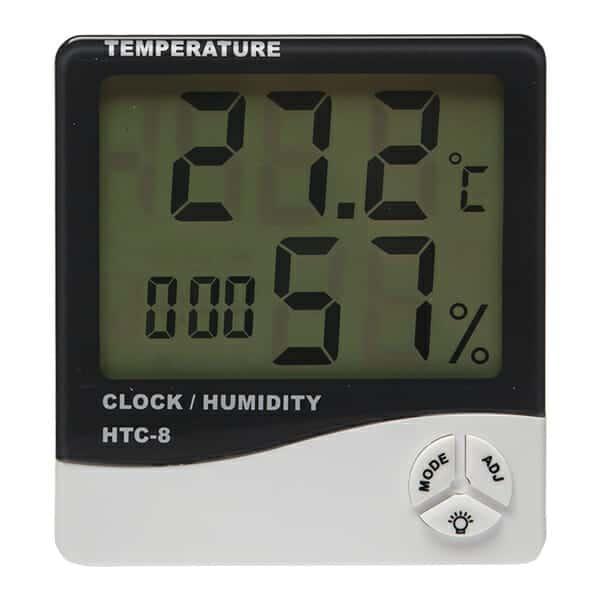
Graft A Lash Temperature & Humidity Meter (Thermo-Hygrometer)
A current room-monitoring tool; position and interpret it consistently.
Check current details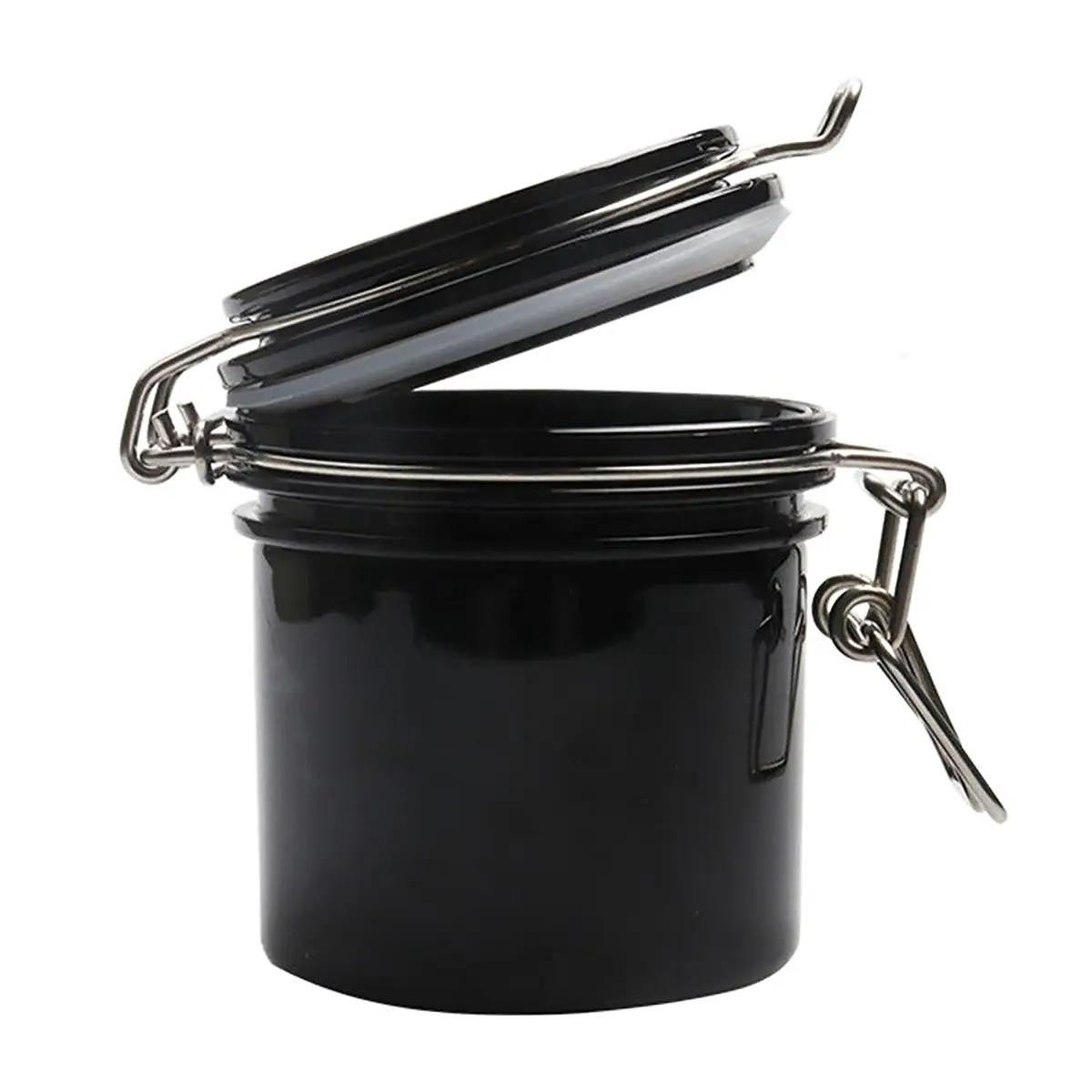
Storage
Eyelash Glue Storage Tank
A current adhesive-storage accessory. Follow the adhesive manufacturer’s own storage directions.
Check current details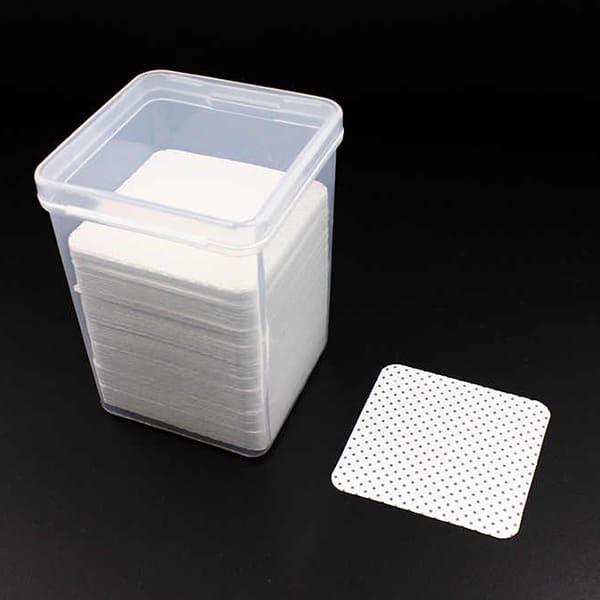
Bottle care
Eyelash Adhesive Wipes 180pk
A current accessory for an approved nozzle-care routine.
Check current details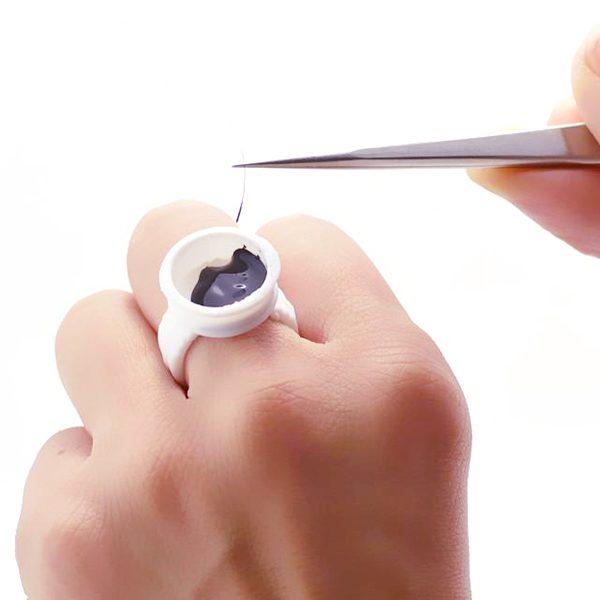
Dispensing
Lash Glue Rings 100pk
A current dispensing accessory; use only within the trained adhesive workflow.
Check current details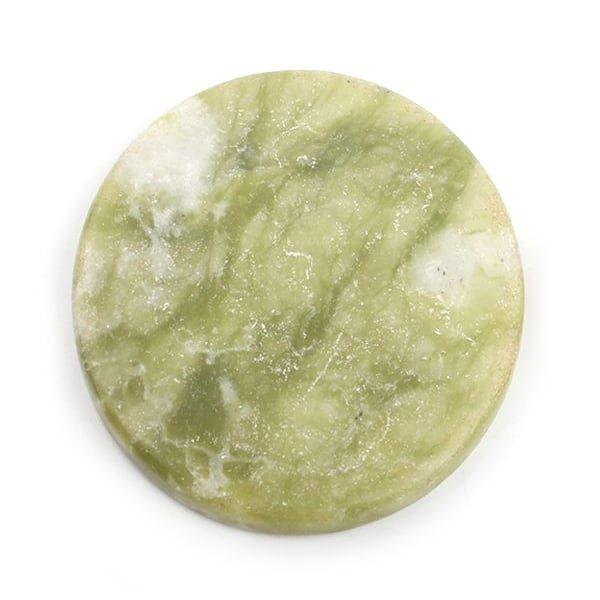
Dispensing
Jade Stone Lash Adhesive Pallet
A current alternative adhesive pallet; follow the relevant preparation and cleaning process.
Check current details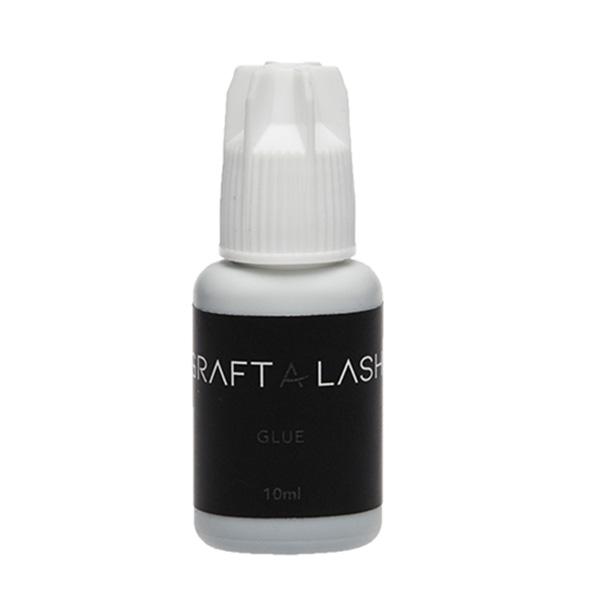
Adhesive example
Graft A Lash Fast Dry Eyelash Glue 10ml
A current professional adhesive example. Its live directions—not this guide—define suitable conditions and use.
Check current details
Daily opening checklist
- Identify the exact adhesive planned for the room.
- Read the current supported working and storage conditions.
- Check temperature and relative humidity from the defined meter position.
- Stabilise heating, cooling or approved moisture controls before bookings.
- Check doors, windows, vents, sun and nearby steam sources.
- Confirm adhesive identity, opening date, storage and bottle condition.
- Prepare approved dispensing and nozzle-care accessories.
- Record the reading and any action taken.
- Recheck when room conditions or adhesive behaviour change.
- Stop and escalate when the supported conditions cannot be achieved.
Final recommendation
Control the lash room around the exact adhesive, not a generic percentage from social media. Measure temperature and humidity consistently, reduce abrupt environmental swings, store and dispense under current directions and give staff a clear response when the room moves out of range.
A stable, documented room is commercially valuable because it makes troubleshooting more precise. It cannot guarantee retention or replace professional technique, consultation, product training or aftercare.
Build a more controlled lash station
Check current environmental, storage and adhesive accessories on National Salon Supplies.
Frequently asked questions
What humidity should a lash room be?
There is no universal number for every adhesive. Use the operating range stated in the current directions for the exact adhesive, measure conditions near the working zone and train staff to respond consistently.
Why does humidity matter for lash adhesive?
Professional lash adhesives can behave differently as room conditions change. The exact relationship and acceptable range are product-specific, so avoid carrying one brand’s target into another adhesive system.
Where should a hygrometer be placed in a lash room?
Place it consistently near enough to represent the working zone but away from direct airflow, windows, steam, direct sun or a humidifier outlet. Compare readings from the same position and check the device instructions.
Should a salon use a humidifier or dehumidifier?
Only after confirming that measured conditions sit outside the exact adhesive’s supported range and assessing the room safely. Choose suitable equipment, avoid directing output at the client or adhesive station, and monitor rather than running it blindly.
Can storage fix an adhesive used in the wrong room conditions?
No. Correct storage protects the unopened or closed bottle according to its directions, while the treatment room still needs to meet the product’s working requirements during use.