Professional brow tint buying guide · Australia
Professional Brow Tint Buying Guide for Australian Salons
Choose a complete, compatible brow-colour system your team can learn, cost, document and confidently explain—from tint and developer to shades, tools, stock and client communication.
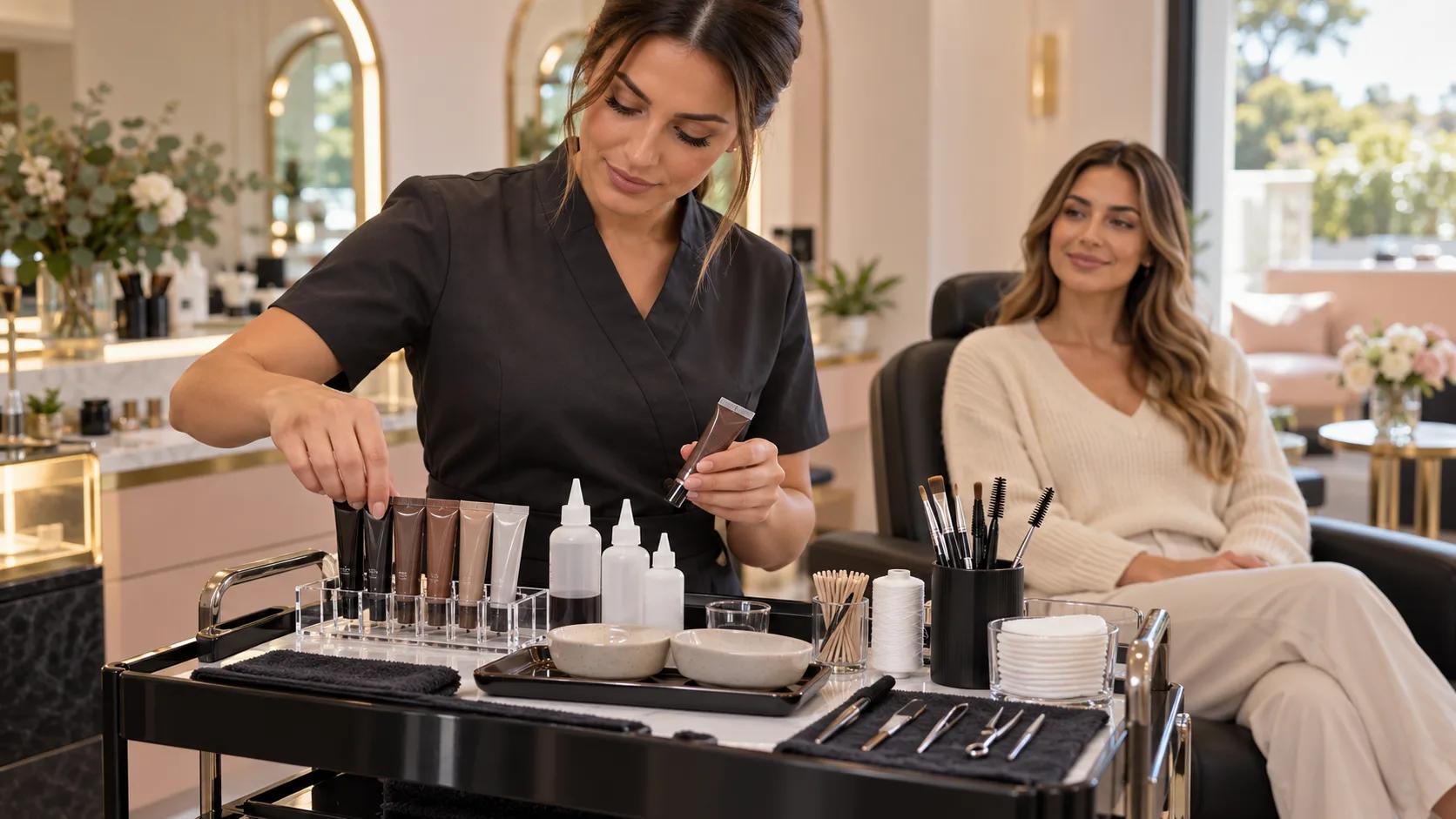
The short answer
Choose brow tint as a complete professional system, not as a tube colour. Compare the supported tint and developer pairing, shade logic, mixing and timing directions, patch-testing and contraindication requirements, training, opening-life controls, tools, cleanup and measured cost per service. Start with a focused core shade range and expand only when client demand justifies the extra stock and staff can reproduce the brand’s method.
Professional brow tint buying starts with the system
A tint tube is only one part of a professional brow-colour service. The result depends on the exact colour system, compatible developer, measured ratio, current processing directions, preparation, application control, client assessment and aftercare. Buying shades before understanding that system creates avoidable inconsistency.
The National Salon Supplies catalogue includes traditional lash-and-brow tints, hybrid dye systems, kits, cream and liquid oxidants, brushes, dishes, protection and removal products. Products sitting in the same category are not automatically interchangeable. Brand directions and education remain authoritative for compatibility and use.
This guide provides a commercial and operational buying framework, not a formula, shade prescription or treatment protocol. The named products were live in the parent catalogue on 30 September 2026. Stock, variants, packaging and instructions can change.
1. Traditional tint, hybrid dye or another colour system?
Start by defining the service the salon intends to sell. Traditional professional tint, hybrid dye and related brow-colour systems can have different product architecture, developer, preparation, application and intended finish. Do not treat the terms as marketing synonyms or promise a particular skin stain or longevity without exact current support.
Choose one system that the team can learn thoroughly. Adding several systems may broaden the menu, but it also adds patch-test records, developers, shades, timing logic, opening dates and stock that can expire. A second range should solve a documented client or service need rather than duplicate the first.
2. Match tint and developer exactly
Developer is not a generic consumable. Confirm the exact product, format and concentration supported by the chosen tint. Follow the brand’s current ratio, measuring method and directions. Similar percentages or bottle descriptions do not prove that products from different systems can be mixed.
Cream and liquid oxidants can create different dispensing and mixing workflows. Neither is universally better. The next comparison in this content silo examines those operational differences, but the immediate buying rule is simple: choose the developer that the tint manufacturer supports.
Store the pairing together, label it clearly and prevent staff from reaching for a visually similar hair-colour developer. Record opening dates and keep current directions accessible at the station.
3. Build a useful core shade range
A large display is not the same as a useful palette. Review existing client hair colours, brow goals and appointment volume, then identify the brand’s core shades and supported mixing logic. Begin with enough flexibility to serve ordinary demand without stocking colours that the team rarely opens.
Shade names are not standardised across brands. “Natural brown”, “graphite” or “light brown” can represent different formulations and results. Never translate a formula by name alone. When changing brands, retrain and rebuild records rather than copying the old ratios.
Document every service with the exact brand, shade or supported blend, developer, ratio, timing and relevant factual observations according to the salon protocol. Reassess at each visit; natural hair, previous colour and client preference may change.
4. Decide whether a kit adds value
A professional kit can provide a coherent starting range, especially when it groups tint, developer and accessories intended for one system. Compare the live contents with the salon’s written station checklist. A kit may still omit consultation forms, patch-test materials, some shades, precision tools, cleaning supplies or other workplace essentials.
Do not compare kits only by the number of items. Ask whether every included shade has a role, whether refill products are reliably available and whether staff can access current education. Calculate the cost of the usable system rather than treating a large contents list as automatic value.
5. Consultation, contraindications and patch testing
Use the exact manufacturer directions and professional training to define consultation and patch-testing requirements. Record relevant client information accurately and protect it appropriately. Previous tolerance does not authorise the salon to ignore current instructions.
Inspect the brow and surrounding skin within professional scope. If a presentation, reported reaction, medication or condition raises a concern outside the therapist’s training, defer and refer rather than diagnosing or modifying the tint formula.
Do not use “natural”, “gentle”, “ammonia-free” or similar language as a substitute for assessment. Marketing descriptors do not remove contraindications or guarantee an individual response.
6. Preparation and brow mapping
Preparation should come from the chosen system, not a random cleanser already on the trolley. Unrelated skincare, oils or residue can change the working surface. Use the approved products and clean single-use materials described by the training.
Mapping can support shape planning, but it does not replace consultation or free the artist from observing natural growth and facial balance. Keep mapping thread, pencils, rulers or calipers organised, clean and separate from tint-mixing tools. The buying list should reflect the method staff are actually trained to use.
7. Mixing dishes, palettes and measuring tools
The mixing surface should support the brand’s instructed quantities and allow the therapist to see whether the mixture is even. Reusable dishes and palettes need a documented cleaning and reprocessing process appropriate to their materials and intended use. Inspect for staining, cracks or residue.
If the system requires drops, measured lengths or another method, use the tool and technique specified. Eyeballing different ratios between therapists undermines repeatability and cost control. Never mix tint in an unlabelled food container or on a porous surface not intended for the product.
8. Choose application tools for control
Precision brushes, angled tools, tint sticks and micro applicators may support different parts of the trained process. Select tools that give the required control without overloading the brow area. Keep single-use and reusable items clearly separated.
Reusable brushes must be cleaned and stored under the salon’s documented process. Replace splayed, damaged or contaminated tools. A favourite old brush is not an asset when its edge no longer supports consistent application.
9. Skin protection, removal and cleanup
Use protective products only where the exact system directs and without creating a barrier in the intended colour area. Tint removers are product-specific accessories, not a licence to work carelessly or promise that every unwanted stain can be corrected.
Keep clean pads, cotton tips and other approved removal materials within reach before application begins. Dispose of single-use items appropriately and clean the trolley, dishes, brushes and contact surfaces under the workplace procedure.
10. Timing and consistency
Use a reliable timer and the current product directions. Do not process by guesswork, colour appearance alone or a timing remembered from another brand. Document the actual service according to the salon protocol.
Room lighting matters when assessing shade and application. Use even, consistent task lighting and check the finished result without relying on a warm decorative lamp alone. Photography, if used, requires appropriate consent and consistent lighting to be useful for records.
A practical tint-system decision table
| Decision factor | What to verify | Avoid |
|---|---|---|
| Tint category | Exact system, intended brow use and current education | Treating tint and hybrid dye as identical |
| Developer | Supported product, format, concentration and ratio | Mixing brands from similar labels |
| Shade range | Core client demand and brand-specific mixing logic | Buying every shade before measuring demand |
| Kit contents | Usable items, missing essentials and refill availability | Judging value by item count alone |
| Tools | Control, intended use, cleaning and replacement | Improvised or damaged applicators |
| Commercial fit | Measured usage, wastage, labour and stock rotation | Pricing from tube cost alone |
11. Calculate cost per completed service
Measure tint and developer used for several ordinary services under the correct protocol. Add preparation products, protection, pads, applicators, gloves where required, cleaning materials, consultation, processing, cleanup, records and realistic wastage. Allocate reusable tools and training over a sensible service life.
Tube size does not reveal yield by itself. Ratios, formula quantity, staff consistency and product opening life can change the real cost. A cheaper tube may cost more when it produces avoidable waste or sits unused after the salon buys too many shades.
12. Plan stock and opening-life controls
Count complete service capacity across tint, matching developer and necessary consumables. Record opening dates and rotate stock under current storage and shelf-life directions. Keep reserve products separate from active backbar stock and report when the reserve is opened.
Set reorder points from average use, supplier lead time, forward bookings and a modest buffer. Avoid substituting another developer or tint during a stockout. If the verified system is incomplete, rescheduling is more responsible than improvisation.
13. Run a controlled salon trial before changing systems
A supplier catalogue can tell you what is available, but it cannot prove how neatly a new system will fit your team, treatment times and client mix. Before replacing a working range, nominate one trained lead therapist to review the current education, directions, safety information, shade structure, developer options and accessory requirements. Build a written trial plan that stays within those directions. The purpose is to test salon fit and repeatability, not to improvise new formulas.
Set objective questions before the trial begins. Can staff dispense the instructed ratio consistently? Is the shade system easy to explain during consultation? Are the required tools practical at the existing station? Can the team complete setup, application, removal, cleaning and records within the service time without rushing? Are refills and the matching developer straightforward to reorder? A system that photographs well but creates confusion at the trolley is not yet ready for a full menu launch.
Use documented observations rather than memory. Record the exact products used, batch and opening details where required, measured product consumption, appointment time and any operational issue. Client records and consent must follow the salon’s privacy and professional processes. Do not use a trial as permission to bypass patch testing, contraindications or the brand’s instructions.
At the end, compare the evidence with the current range. Include training time, duplicate stock, new tools, wastage during onboarding and the possibility of slower appointments while staff learn. A change is commercially sensible only when the improvement is clear enough to justify migration.
14. Change brands without carrying old assumptions across
Moving from one tint brand to another is a system change, not a label swap. Shade names, developers, ratios, timings, preparation and aftercare may differ. Retire old formula cards as historical records and create new fields for the new system. Never translate “one centimetre of brown plus three drops” into another range merely because the colour names look familiar.
Choose a firm changeover date and identify whether old and new systems will overlap. If both remain active, store each tint beside its supported developer and use clear shelf labels so the wrong oxidant cannot be selected. Separate mixing tools if that is necessary for staff clarity or the manufacturer’s process. Brief reception staff as well as therapists so client questions and bookings are described accurately.
Update every touchpoint: consultation forms, formula records, patch-test workflow where applicable, trolley diagrams, reorder sheets, opening-date labels, price calculations, service descriptions and aftercare. Remove superseded instructions from the station. The current manufacturer material should be the accessible source of truth.
15. Train for repeatability, not just a certificate
Initial education establishes the method; salon calibration helps the team reproduce it. After completing the required product education, run a structured session in which staff locate every item, explain the consultation sequence, demonstrate accurate dispensing, set the correct timer, complete records and reset the station. The focus is not speed. It is whether the process can be followed without guessing.
Create a one-page station checklist derived from current brand directions and salon procedures. It can prompt staff to verify client records, confirm the intended formula, check opening dates, prepare approved tools, start the timer and record the completed service. It should not rewrite or contradict the manufacturer’s instructions. Review the checklist whenever the product, packaging, directions or workplace process changes.
Audit records periodically for completeness and patterns. If therapists use unusually different quantities for comparable appointments, investigate technique, measuring and recording before treating the variation as normal. If one shade repeatedly expires, reduce its par level. If the matching developer runs out first, recalculate the purchasing ratio instead of buying equal unit counts by habit.
16. Build a clear brow tint menu and consultation promise
The service name should tell clients what is actually included. Distinguish a tint-only appointment from a tint-and-shape service, a broader brow design appointment or a hybrid-dye service. Clear boundaries help reception allocate the right time and prevent the treatment room from absorbing unpaid extras.
Describe the appointment in factual, client-friendly language: consultation, professional colour selection within the chosen system, controlled application, removal and aftercare. Avoid universal claims about exact longevity, skin staining, suitability or outcomes. Results can vary with the product, client, hair, skin, preparation and aftercare, and only current supported claims should appear in marketing.
During consultation, translate the desired look into choices the system and therapist can responsibly deliver. “Softly defined” and “more structured” are useful starting points, but they are not formulas. Confirm the plan, explain relevant limitations and document the products actually used. A reassuring consultation is precise about process without promising an identical result from a reference image.
17. Price the appointment around capacity and value
Product cost matters, but a profitable price must also cover the professional time and capacity used by the appointment. Map the whole booking from room setup and consultation through application, processing, removal, photography if consented, aftercare, cleaning and records. Include reception, payment and laundry or waste handling where they materially belong to the service.
Then consider contribution per booked hour, not just margin on a few grams of tint. A low material cost does not make a service profitable if the price ignores labour, room occupancy, training, failed appointments or rework. Conversely, controlled product use and a reliable station can make a focused service commercially useful without rushing the client.
Review price and timing after the team has completed enough normal appointments to produce credible averages. Do not base the menu on the fastest senior therapist alone. The standard booking should allow a trained team member to complete the full protocol calmly.
18. Review the range every quarter
A quarterly review keeps the backbar aligned with real demand. Export or count services by type, inspect tint and developer purchases, check expired or slow stock, review frequently used shades and note supply interruptions. Confirm that product pages, current directions and education are still available. Catalogue presence is useful evidence of availability at review time, but it is not a permanent stock guarantee.
Ask four questions: does the range cover the clients the salon actually sees; can every therapist follow the system accurately; is the complete service commercially sound; and are marketing claims still supported? Keep, expand, reduce or retrain based on those answers. Avoid adding a fashionable system simply to create a larger shelf.
The strongest brow-colour range is rarely the biggest. It is the one the salon can purchase reliably, understand deeply, use consistently, document clearly and explain honestly.
Current professional brow tint products to investigate
These examples show kits, tint ranges, cream and liquid oxidants, mixing and application tools. They are not a ranked list and are not all intended to work together. Confirm each live product page and manufacturer directions.
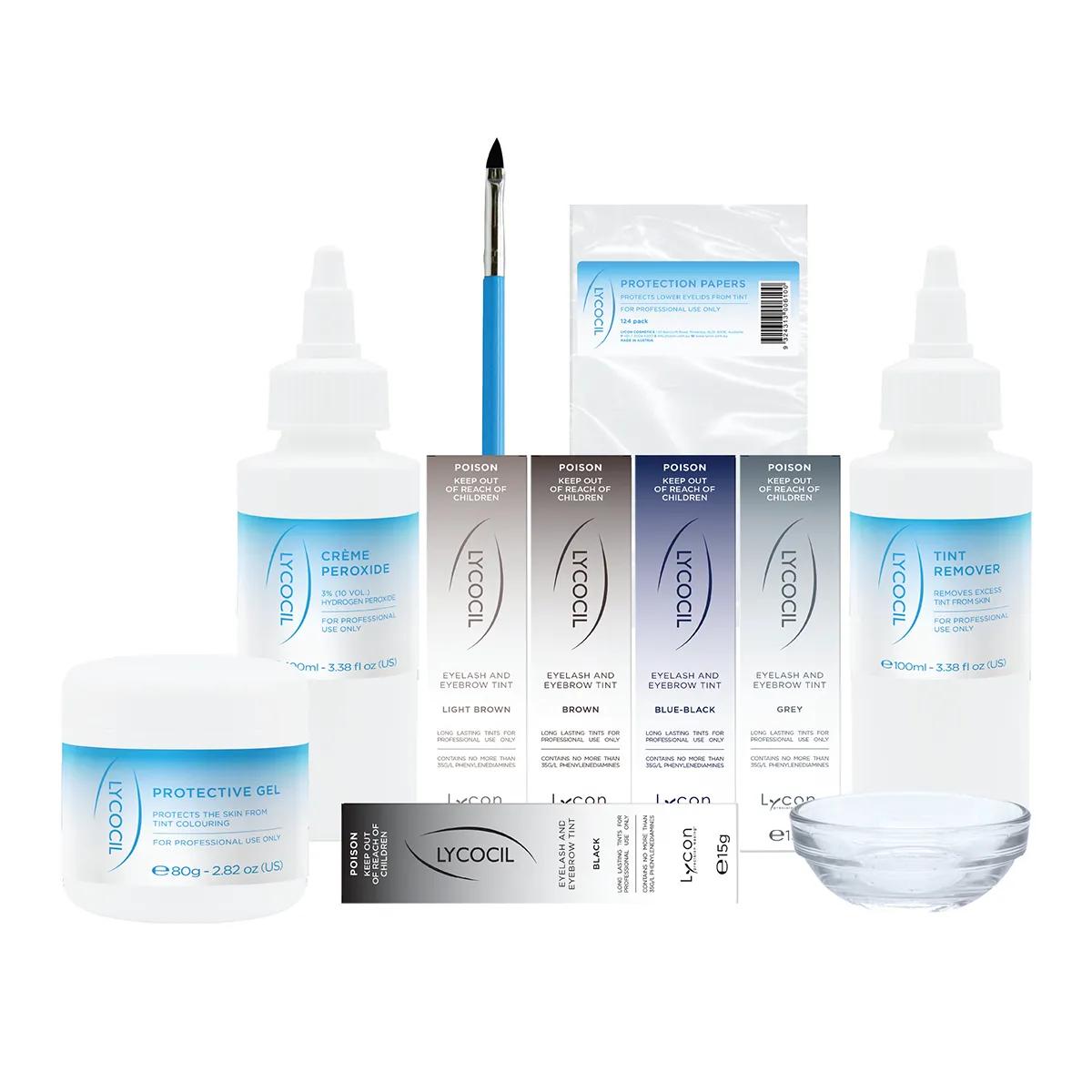
Professional kit
Lycon Lycocil Lash & Brow Tinting Kit
A current kit example. Check the live contents, directions and refill path before purchase.
Check current details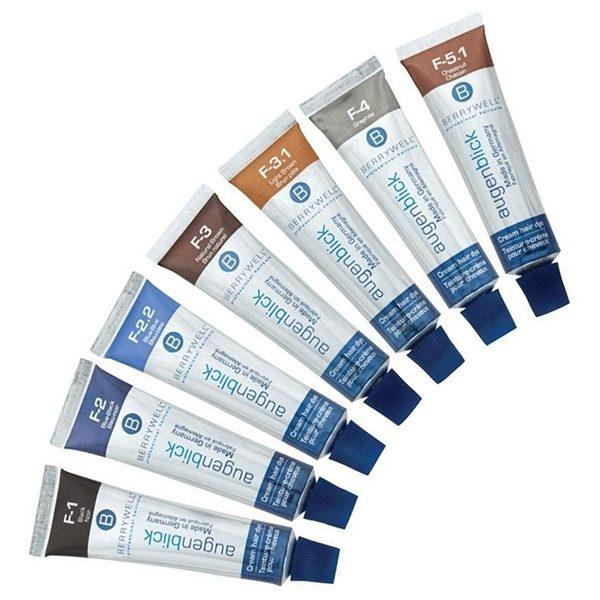
Tint range
Berrywell Lash & Brow Tint 15ml
A current professional tint range available through the parent catalogue.
Check current details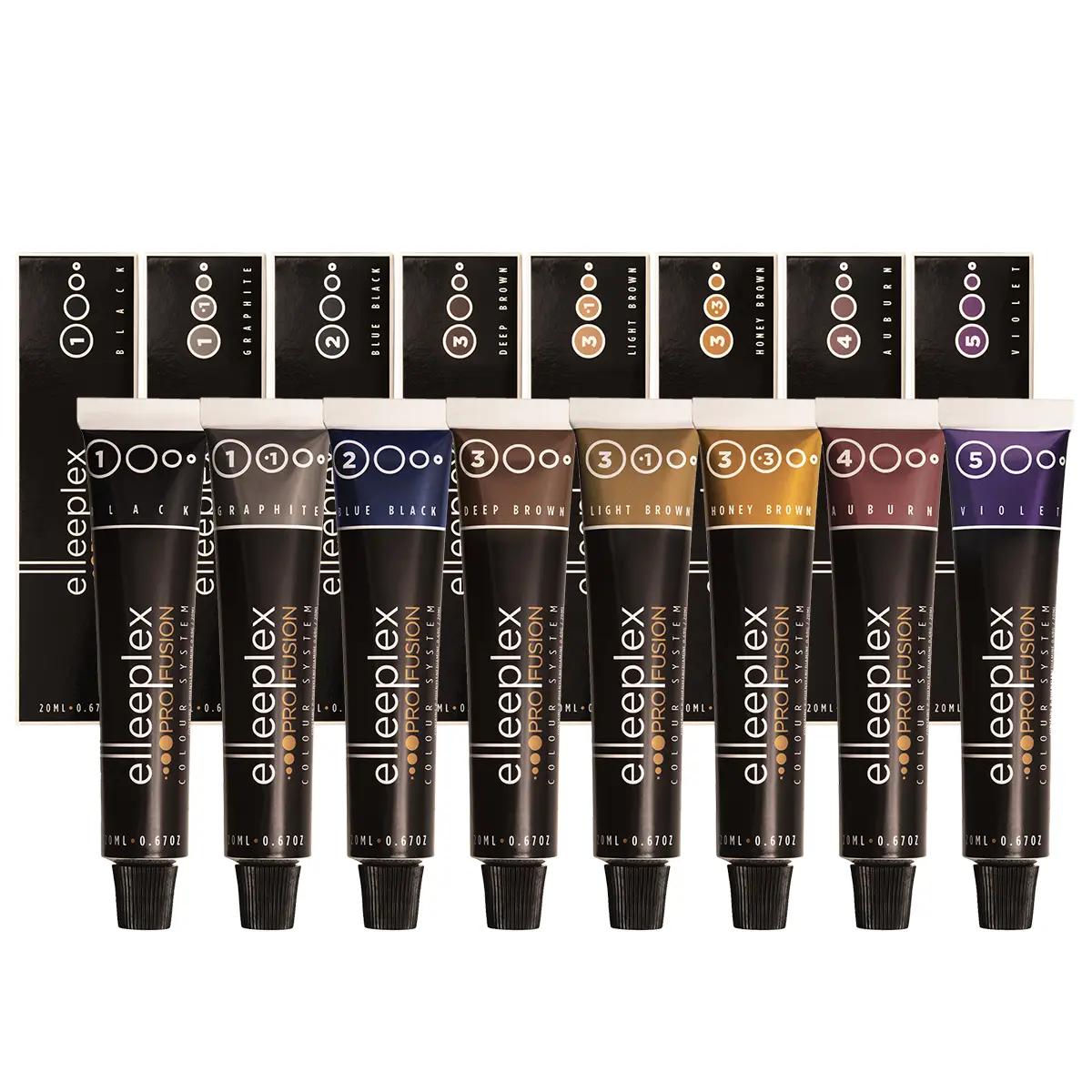
Tint range
Elleebana Elleeplex Profusion Lash & Brow Tint 20ml
Another current tint range to compare as a complete supported system.
Check current details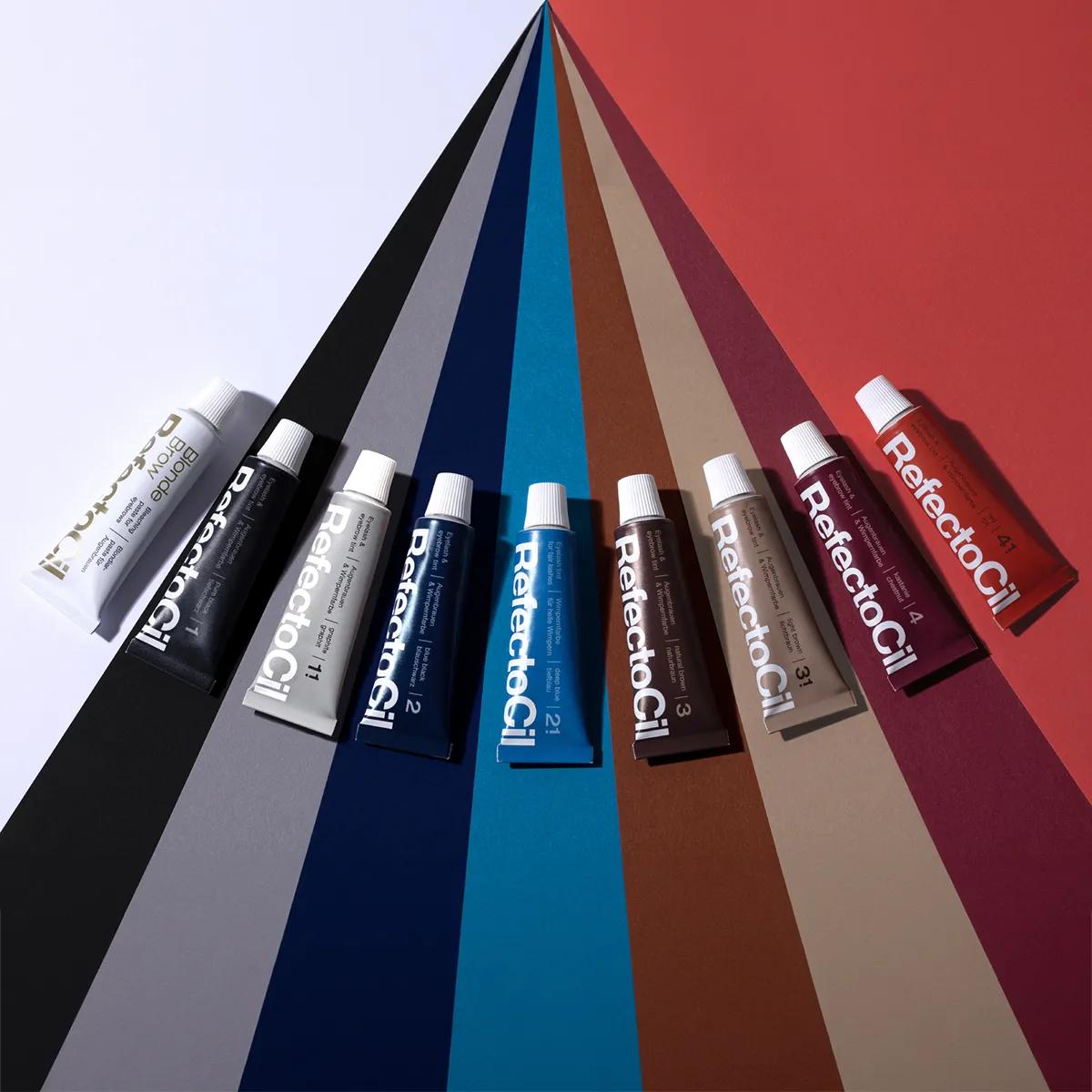
Tint range
Refectocil Lash & Brow Tint 15ml
A current professional tint option with multiple catalogue variants.
Check current details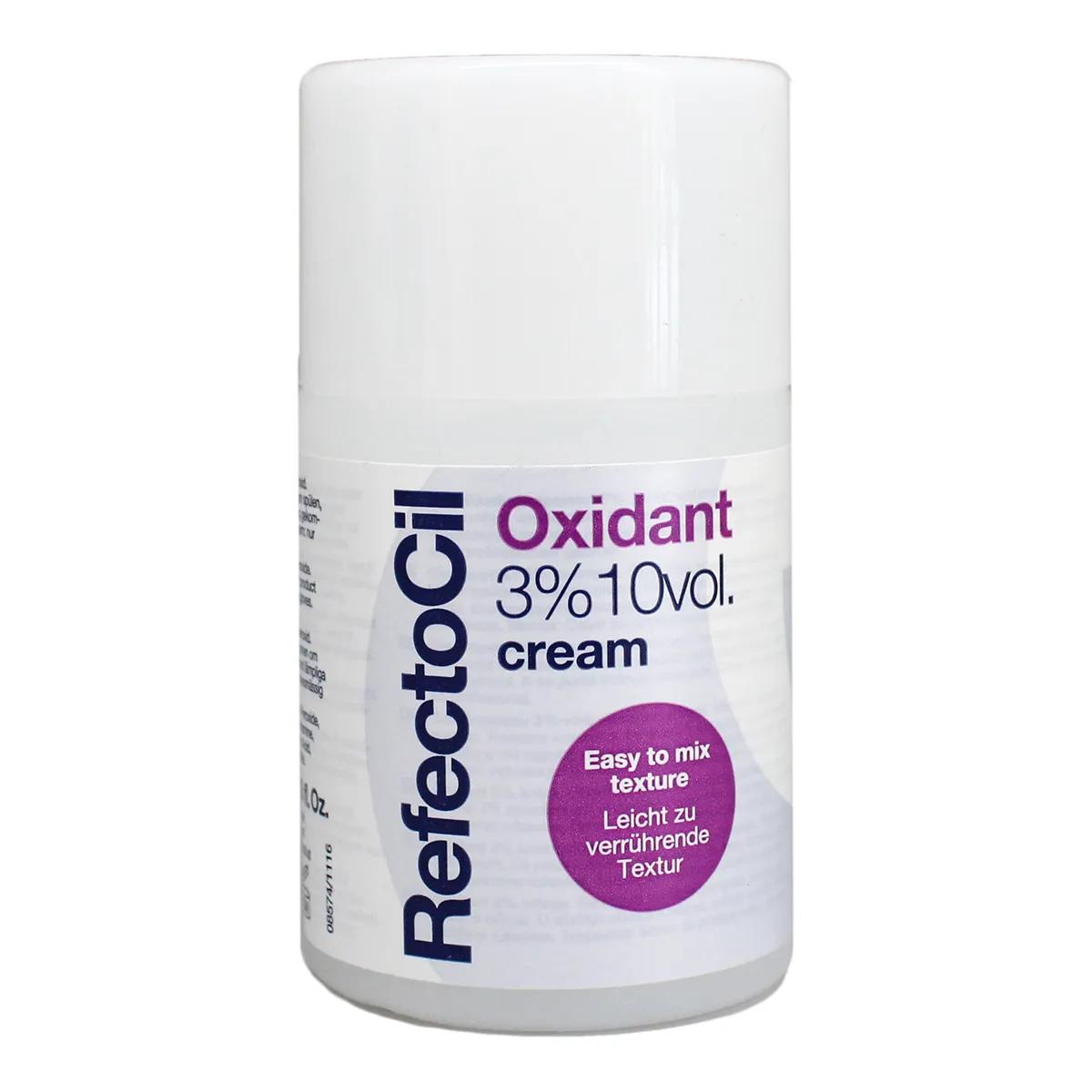
Matching oxidant
Refectocil Cream Oxidant 3% 100ml
A current cream oxidant example; use only with supported products and ratios.
Check current details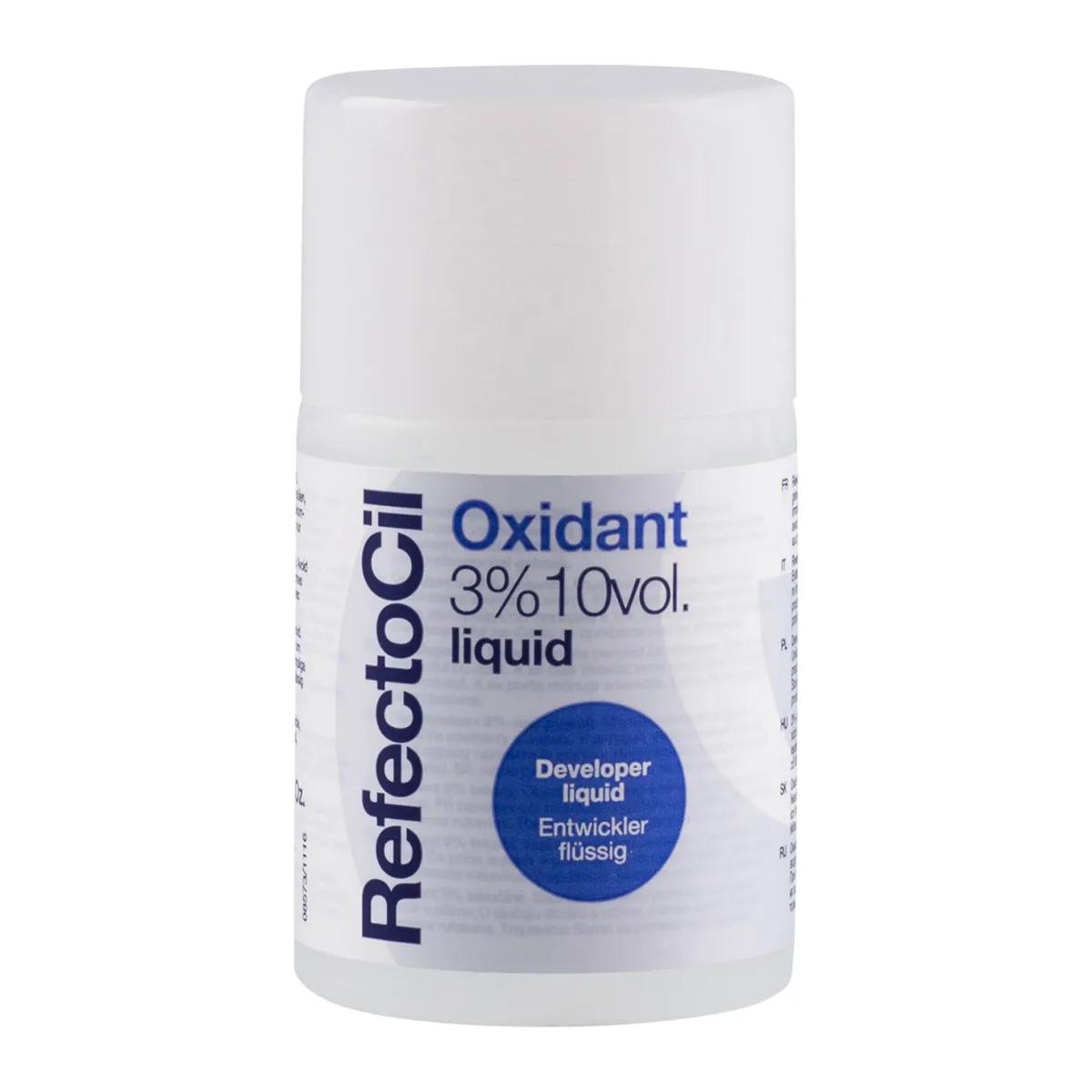
Matching oxidant
Refectocil Liquid Oxidant 3% 100ml
A current liquid oxidant example for the next cream-versus-liquid comparison.
Check current details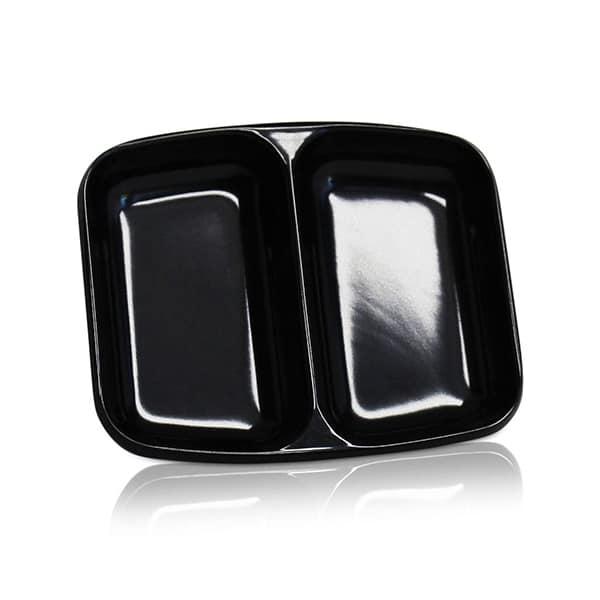
Mixing tool
Refectocil Lash & Brow Tint Mixing Dish
A current reusable mixing accessory requiring an appropriate cleaning process.
Check current details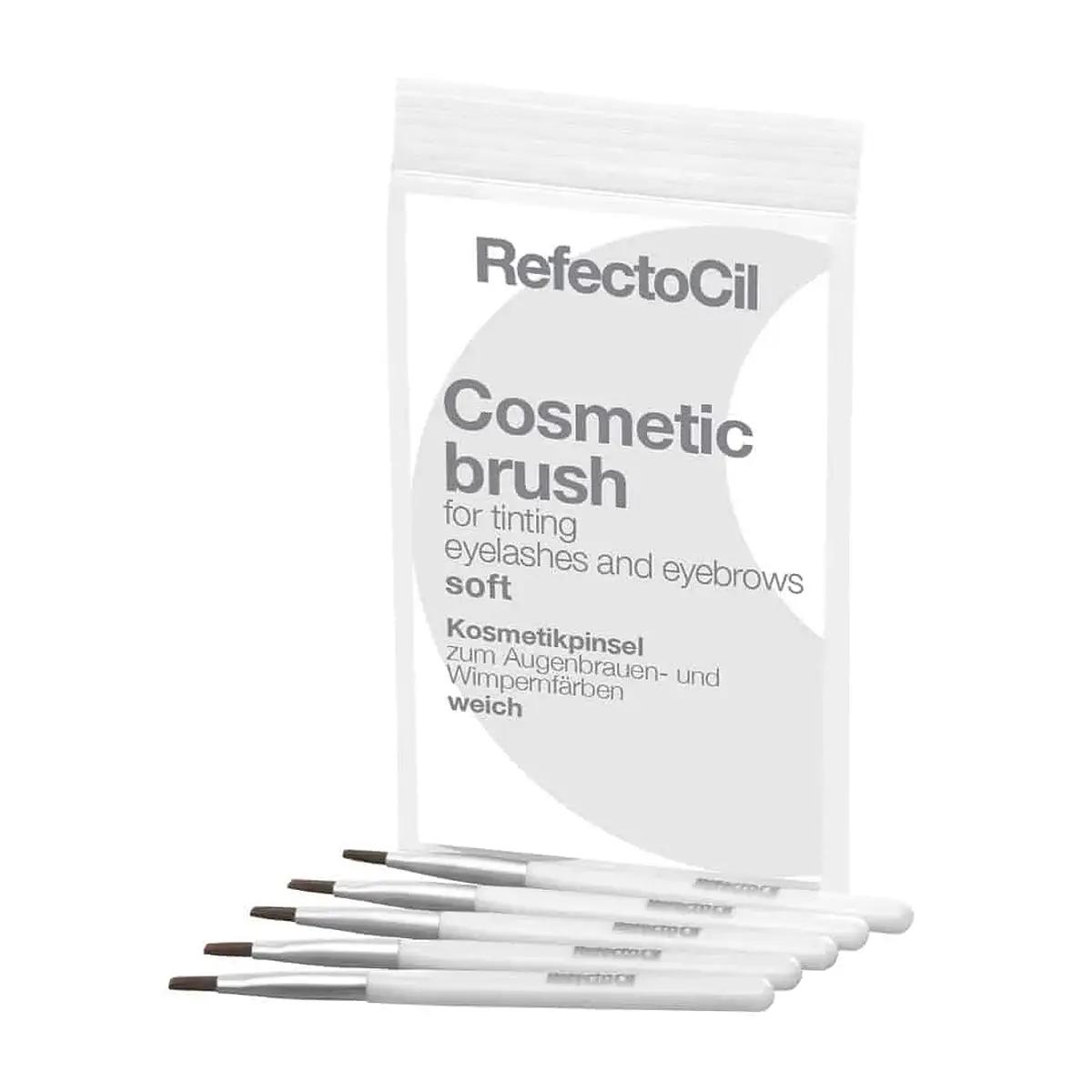
Application tool
Refectocil Tint Brushes Soft 5pk
A current professional application-brush example.
Check current details
Salon-ready buying checklist
- Professional education for the exact colour system
- Current manufacturer directions and safety information
- Supported tint and matching developer
- A focused, commercially useful core shade range
- Consultation, consent and patch-test records as applicable
- Approved preparation and protection products
- Accurate dispensing and mixing tools
- Precision applicators and single-use materials
- Timer and even task lighting
- Cleaning, tool reprocessing and waste process
- Opening-date, storage, expiry and reorder controls
- System-specific aftercare information
Final recommendation
Choose a professional brow tint system your team can explain and repeat. Match tint to its supported developer, build a purposeful core shade palette, document the formula and cost the whole appointment. Add hybrid dye or another brand only when it fills a defined menu need and the salon can support separate training, products and records.
Build your professional brow-colour shortlist
Check current shades, kits, developers and accessories on National Salon Supplies.
Frequently asked questions
What should a professional brow tint kit include?
A salon needs a supported tint and matching developer system, suitable shades, accurate dispensing and mixing tools, precision applicators, preparation and protection products where directed, single-use consumables, timing controls, cleaning supplies, consultation records and current aftercare information.
Can brow tint and developer brands be mixed?
Do not assume they can. Use only combinations, ratios and methods supported by the current manufacturer directions and professional training for the exact system.
How many brow tint shades should a new salon stock?
Begin with the smallest shade range that genuinely serves the salon’s clients and is supported by the brand’s mixing education. Add shades from measured demand rather than buying every colour before the core system is established.
Is hybrid brow dye the same as traditional brow tint?
No universal equivalence should be assumed. Product categories, developers, intended results and directions differ. Treat hybrid dye as its own professional system and follow its specific education.
How should a salon calculate brow tint cost per treatment?
Include measured tint and developer use, disposables, preparation and removal products, tools, cleaning materials, realistic wastage, consultation, treatment, cleanup and recordkeeping time.