Professional lash lift buying guide · Australia
Professional Lash Lift Supplies Checklist for Australian Salons
Build a complete, compatible and commercially practical lash-lift station—from training and processing products to shields, tools, hygiene, records and aftercare.

The quick checklist
Start with professional training and one complete lash-lift system. Confirm the paired processing products, compatible shields or rods, approved adhesive or styling product, application and isolation tools, eye-area protection, single-use consumables, timer, lighting, consultation and recordkeeping materials, cleaning process, storage controls and aftercare. Buy refills only after checking that every step belongs to the same approved protocol.
Professional lash lift supplies: start with the system
A lash lift is not assembled safely by choosing the most attractive packets from several brands. The service relies on a defined sequence, product-specific directions, careful eye-area work and trained judgement. For an Australian salon, the most useful buying question is therefore not “what individual products are popular?” It is “which complete professional system can our team learn, replenish, document and use consistently?”
The live National Salon Supplies catalogue contains kits, paired refills, shields, rods, adhesives, tools and eye-area accessories. That breadth is useful, but it also makes compatibility important. A solution, shield or adhesive appearing in the same retail category does not prove that it belongs in another brand’s protocol. Verify every combination against current manufacturer information and the education supporting the system.
This guide is a purchasing and station-planning framework. It does not provide processing times, chemical instructions or a treatment protocol. Those must come from current product directions and suitable professional training. The named products below were present in the parent catalogue on 22 September 2026; availability, packaging and instructions can change.
1. Professional education and a written protocol
Training is the first supply because it determines every other item. Before offering the service, the therapist needs education appropriate to the chosen system, eye-area consultation, contraindications, patch-testing requirements, product placement, timing, observation and response procedures. A certificate alone does not keep the workflow current; update training when the system or directions change.
Create a controlled salon protocol that names exact products rather than generic steps. Record the solution range, approved shield or rod family, adhesive or styling product, tools, disposables, preparation, eye protection where directed, finishing product and aftercare. Include where current instructions are stored and who approves substitutions.
Competency should be observed before unsupervised bookings. Assess consultation, station preparation, timing discipline, product separation, application control, client communication, contamination controls, cleanup and documentation. Speed comes after consistency.
2. Complete kit or individually assembled setup?
A professional kit can simplify the initial shortlist because it groups products intended to work within a system. However, “kit” does not necessarily mean every item needed by your salon. Compare the live contents with the written station checklist. You may still need disposables, eye pads, cleaning materials, lighting, a timer, record forms or alternative shield sizes.
An individually assembled setup can suit an experienced salon with a validated protocol, but it demands stronger compatibility checking. Do not treat a lower total basket price as proof of value. Include training, tools, refills, wastage, opening-life controls and stock that may expire before use.
When comparing the Elleebana One Shot professional kit and DLUX Pro Illumination kit shown below, inspect current contents and directions on their product pages. The presence of both in the catalogue is not evidence that their solutions or tools are interchangeable.
3. Paired lifting and setting products
The processing products are the core of the service. Stock them as a matched, documented system. Track Step 1 and Step 2 quantities separately so an apparent total does not hide an imbalance. If one step is running low, ordering more of the other does not protect appointment capacity.
Follow current instructions for storage, opening, sachet use, batch or lot records where required, patch testing and disposal. Do not rely on a timing remembered from another brand or an old course manual. Product directions can change, and client or lash assessment remains part of professional judgement.
Set a reorder point from paired usage, forward bookings and supplier lead time. A salon that can perform twenty first steps but only four second steps has capacity for four complete services, not twenty.
4. Shields and rods: buy a usable size and shape range
Shields and rods create different styling and placement possibilities, but their names are not standardised enough to support a universal selection chart. Shape, curvature, profile, size markings and material can differ. Train with the exact family you stock and record how the system expects selection to be made.
Do not choose solely from the desired dramatic effect. The therapist must assess the natural lash presentation, eyelid and eye-area factors within training, client goals and the system’s directions. A size that worked for one client is not a template for the next.
Keep sets complete. Missing pairs or mixed generations can cause avoidable confusion. Clean and reprocess reusable items using the documented product and workplace procedure, inspect them before use and store them protected. Discard any item that no longer meets the system’s serviceability requirements.
5. Lash-lift adhesive or styling product
The product used to position lashes must be compatible with the chosen method. Traditional adhesive, alternative bonding formats and newer powder-based or adhesive-free approaches should not be treated as interchangeable. Their application, working behaviour and effect on the rest of the process may differ.
Track the date opened, storage conditions and performance cues stated by the manufacturer. A bottle can appear physically full while no longer behaving as expected. Keep the neck or nozzle managed according to directions and avoid transferring product into unlabelled containers.
If positioning becomes difficult, troubleshoot training, product condition, shield preparation, room conditions and the documented method. Do not add more product or switch brands mid-service without a supported protocol.
6. Application, separation and isolation tools
The station may require micro applicators, brushes, fine tools, isolation implements or other product-specific accessories. Divide them into single-use and reusable groups. Keep unopened disposable stock away from the active treatment area and remove only what the service requires.
Reusable stainless tools need a reprocessing method appropriate to the item, intended use and applicable workplace requirements. A wipe over is not automatically a complete process. Follow current manufacturer care instructions and relevant Australian or jurisdictional guidance, and replace damaged tools.
Use tools only for their intended role. Improvising with a sharp or poorly controlled item near the eye creates obvious risk. Staff should be able to identify every tool on the trolley and explain why it belongs in the approved setup.
7. Eye pads, patches and preparation materials
Some systems or combined services use patches, pads or protective products around the eye area. Check the exact intended use and client suitability rather than assuming any lash-extension pad can be carried into a lash-lift protocol. Adhesive characteristics, shape and placement purpose may differ.
Preparation products must also belong to the system. Residue from unrelated skincare, makeup remover or oily products may change the workflow. Use the approved cleanser or preparation process, clean applicators and lint-controlled materials stated in training.
Consultation matters here. Ask relevant questions, inspect the area within professional scope and follow the current contraindication and patch-testing directions. Do not diagnose eye or skin conditions; defer and refer when a presentation falls outside training or the treatment should not proceed.
8. Timer, task lighting and treatment-bed setup
A clearly visible, reliable timer supports the documented process. Avoid depending on memory, a personal phone that can be interrupted or several unlabeled timers with unclear steps. The therapist must still observe according to training; a timer is a control, not a substitute for judgement.
Use stable, comfortable positioning and even task lighting that lets the therapist work without leaning or shadowing the eye area. Arrange the trolley in service order with clean items protected and waste reachable without crossing over clean stock. Keep cables, liquids and client belongings away from the active zone.
Prepare the room before the client lies down. Leaving an eye-area service to find a missing shield or applicator damages trust and can compromise the controlled sequence.
9. Consultation, records and aftercare
The non-product checklist includes consultation records, consent appropriate to the workplace, patch-test documentation where required, product and batch details where applicable, service notes and the aftercare information for the exact system. Keep only necessary personal information and protect it appropriately.
Record the products and shield or rod used so the next appointment starts with evidence rather than memory. Note relevant observations factually without making a medical diagnosis. If the salon adds tinting, treat it as another professional system with its own products, directions, patch-testing requirements and cost—not an automatic extension of every lift.
Aftercare should reflect current manufacturer guidance. Avoid universal promises about how long results will last or how every client will feel. Individual lash cycles, care, product system and other factors vary.
10. Hygiene, storage and stock rotation
Create a clean-to-used flow and prepare sufficient single-use items before starting. Prevent used applicators from returning to clean stock. Clean treatment surfaces and reprocess reusable items under the salon’s documented procedure. Australian requirements can vary, so align the process with current local guidance, workplace controls, training and manufacturer instructions.
Store solutions, adhesives and accessories exactly as directed. Use first-expiring, first-out rotation where relevant and record opening dates. Protect shields, rods and tools from contamination after processing. Do not keep mystery sachets, decanted liquids or unlabelled containers.
Run a weekly count of complete service capacity. Count paired solutions, compatible styling products, disposables and usable shield or rod sets. Review forward bookings through the expected delivery date and keep a reasonable buffer based on actual use.
A practical buying decision table
| Supply group | Check before buying | Avoid |
|---|---|---|
| Kit or system | Training, exact contents, refill path and directions | Assuming a kit includes the whole station |
| Solutions | Paired steps, storage, opening-life and service capacity | Mixing brands or remembered timings |
| Shields and rods | Exact family, sizes, shape and training | Selecting from size name alone |
| Adhesive or styling | System compatibility, storage and working method | Switching format mid-protocol |
| Tools | Intended use, single-use status and reprocessing | Improvised sharp implements |
| Eye-area products | Intended purpose, directions and client suitability | Assuming all pads or cleansers are equivalent |
| Records and aftercare | Current forms and system-specific guidance | Unsupported longevity or outcome promises |
Calculate cost per completed lash lift
Start with the usable cost of paired processing products for one service, then add adhesive or styling product, patches, applicators, brushes, disposables, cleaning materials and aftercare literature. Add realistic wastage and the portion of reusable tools, training and equipment allocated across their useful service life.
Include therapist time for consultation, setup, treatment, cleanup, records and rebooking. Do not build the menu price from sachet cost alone. A lower-priced kit can become expensive if refills are hard to source, product expires before use or staff need repeated retraining.
Measure several normal services without compromising directions or client care. Review costs when supplier pricing, contents, protocol or booking length changes. Keep tinting separate unless the menu and costing explicitly include it.
Plan service capacity and refills without overstocking
Count how many complete services the station can perform, not how many individual packets are in the drawer. The lowest available matched step sets the immediate capacity. Include the approved adhesive or styling product, essential disposables and a usable shield or rod set in that count. Ten solution pairs are not ten bookable services when only three required eye-pad sets remain.
Set a reorder point using average weekly services, realistic supplier lead time, forward bookings and a modest buffer for ordinary variation. Check public holidays, promotions, staff leave and training days that may change demand or delivery timing. Avoid ordering a large quantity simply because the unit price appears attractive: processing products and adhesives may have storage, expiry or opening-life controls that make slow-moving stock wasteful.
Keep unopened reserve stock separate from the active trolley and tell the stock owner whenever the reserve is opened. Record exact system, step and pack format. A generic line such as “lash solution” can hide that Step 1 is plentiful while Step 2 is nearly exhausted.
When a product becomes unavailable, use only a substitute supported by current manufacturer information and professional training. A new refill may change more than the purchase order: it can require new directions, consultation wording, stock records, staff education or accessories. If the alternative cannot be verified before the booking, rescheduling is more responsible than improvising near the eye.
Current lash lift products to investigate
These products were visible in the live National Salon Supplies catalogue on 22 September 2026. They illustrate the decisions above and are not a ranked list or proof of universal suitability. Confirm current contents, availability and directions on each product page.

Complete system
Elleebana One Shot Lash Lift Professional Kit
A current professional kit example. Check the live contents and training requirements before purchase.
Check current details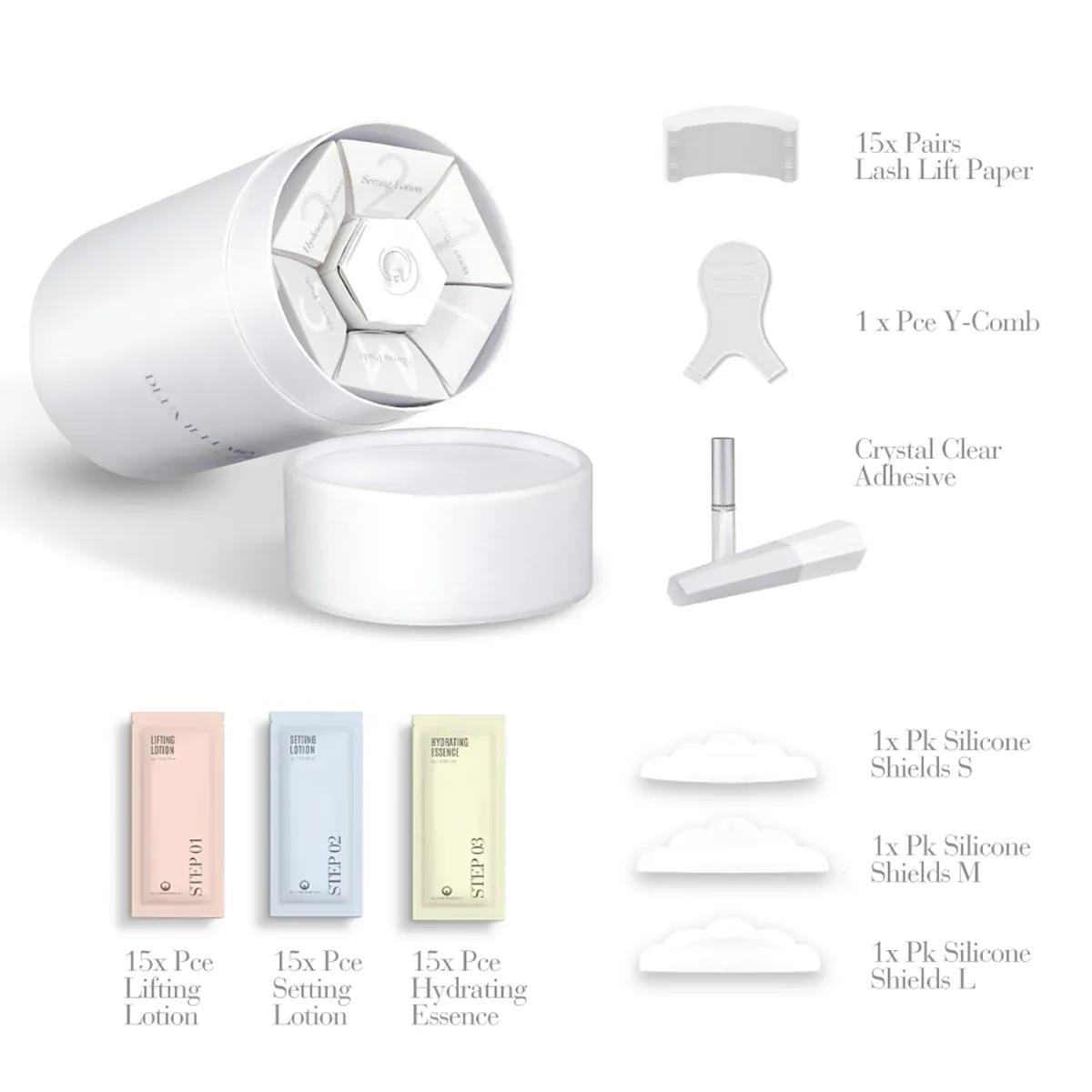
Complete system
DLUX Pro Illumination Lash Lift Kit
A second current kit for comparing system contents, refill path and workflow.
Check current details
Solutions
Elleebana One Shot Lash Lift Refill 10pk
A current paired refill example. Never mix steps or protocols across systems without explicit manufacturer support.
Check current details
Shields
Elleebana Ultra Flex Flat Lash Shields
A current shield option to evaluate through product-specific education and client assessment.
Check current details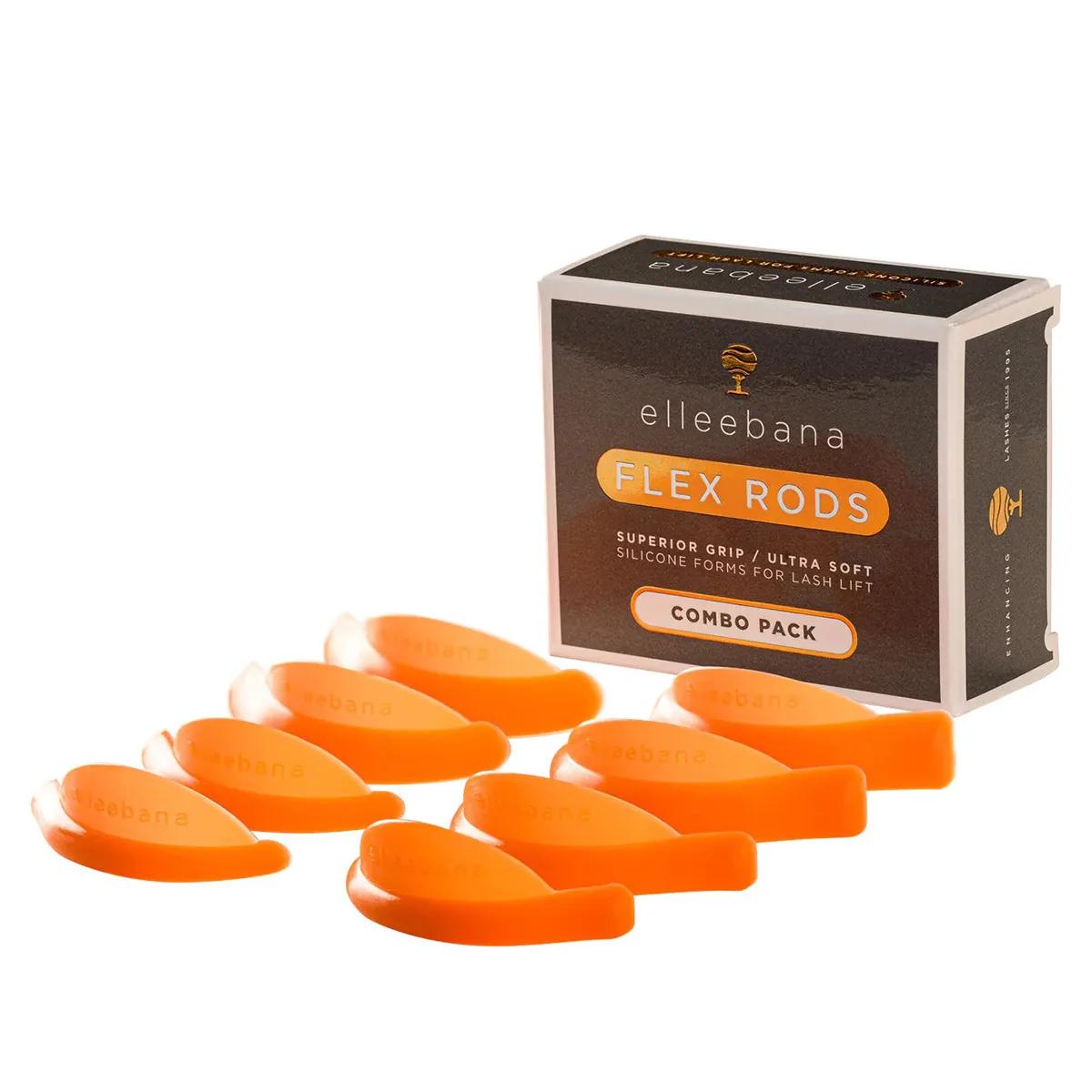
Rods
Elleebana Flex Rods Combo 8pk
A current mixed-size rod example; sizing must follow training and the intended result.
Check current details
Adhesive
Elleebana Strong Hold Lash Lift Adhesive Squeeze Tube 10ml
A current lash-lift adhesive example. Check system compatibility, opening-life and directions.
Check current details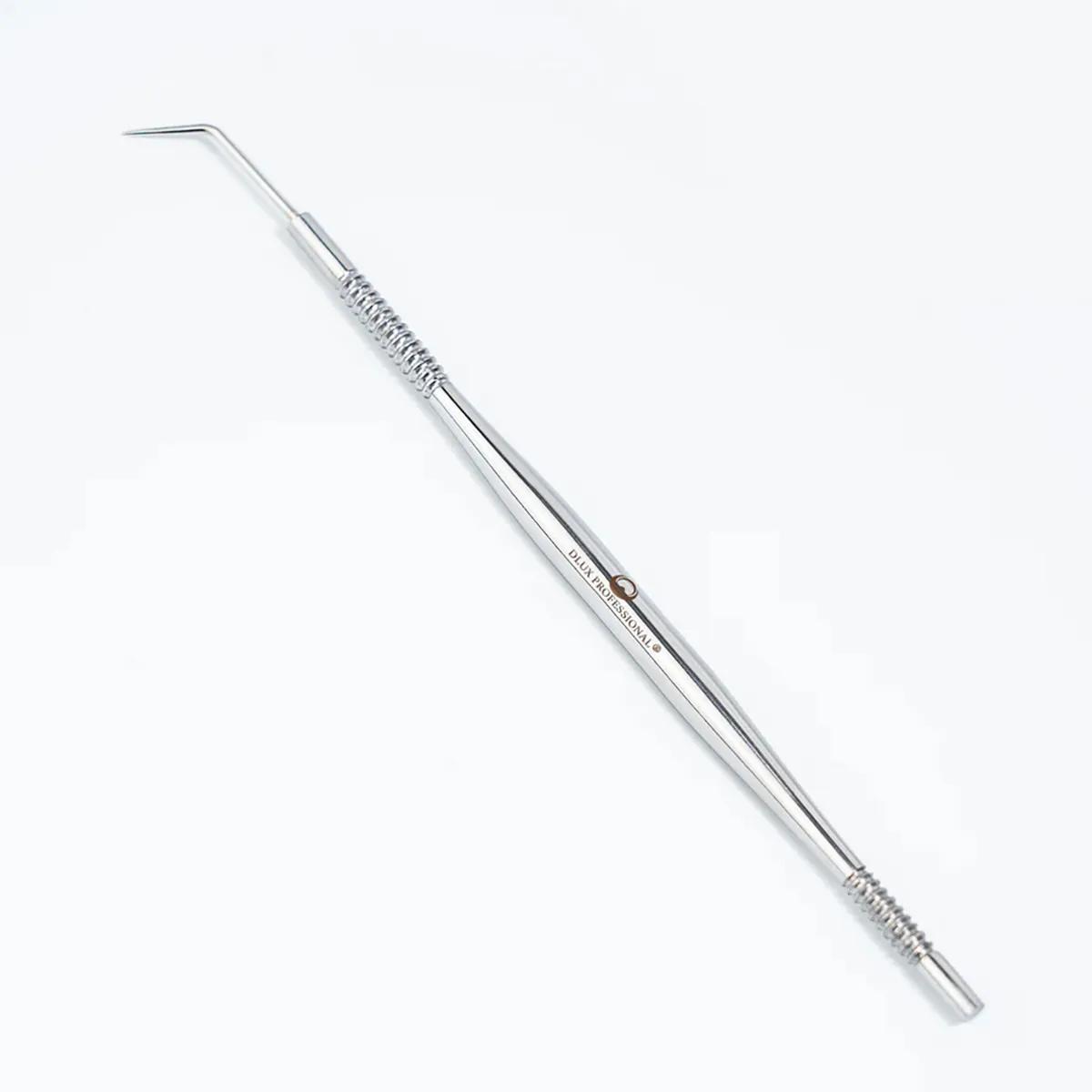
Tool
DLUX Pro Lash Lifting Isolation Tool Stainless Steel
A current reusable tool example requiring an appropriate cleaning and reprocessing process.
Check current details
Eye-area support
Elleebana Elleeluxe Foam Patches 10pk
A current patch option; assess product directions and individual client suitability.
Check current detailsA salon-ready station checklist
- Current professional training for the exact system
- Consultation, consent, patch-test and service records as applicable
- Complete paired lifting and setting products with enough matched capacity
- Compatible shields or rods in a usable, intact size range
- Approved adhesive or styling product in serviceable condition
- Correct application, separation and isolation tools
- Eye pads or protective products where the protocol directs
- Single-use applicators, brushes, pads and other consumables
- Reliable timer and even task lighting
- Clean treatment bed, trolley, lined waste and protected clean stock
- Documented cleaning and reusable-tool reprocessing process
- Storage, opening-date, expiry and reorder controls
- System-specific aftercare information
- An approved process for incidents, deferral and referral
Final recommendation
Choose one professional lash-lift system your team can learn deeply. Verify its full workflow, buy the compatible shield or rod range and supporting items, then document the station from consultation through cleanup. Add another system only when it fills a defined need and the salon can support separate training, stock and records.
The strongest buying decision is not the kit with the longest contents list. It is the system that can be used under current directions, replenished reliably, costed honestly and delivered consistently by trained therapists.

Build your professional lash-lift shortlist
Check current kits, refills, shields, rods, adhesives and accessories on the parent store.
Browse professional lash lift suppliesFrequently asked questions
What supplies does a professional lash lift need?
A salon normally needs one complete trained system with its specified lifting and setting products, compatible shields or rods, the approved bonding or styling product, application tools, eye-area protection where directed, disposables, timing controls, cleaning supplies, consultation records and aftercare information.
Can lash lift brands and steps be mixed?
Do not assume they can. Products that look similar may have different directions and system logic. Use the combinations supported by current manufacturer instructions and your professional training.
Are rods and shields interchangeable?
Not automatically. Their shape, size and intended styling effect differ. Selection should follow product-specific education, the individual lash presentation and the chosen system rather than a generic online rule.
How should a salon choose a lash lift kit?
Compare training access, complete kit contents, refill availability, directions, storage and opening-life controls, shield or rod range, staff competency and measured cost per completed service. Do not choose from headline kit price alone.
Does a lash lift kit include everything a salon needs?
Not necessarily. Even a professional kit may not include every disposable, cleaning item, consultation resource, eye-area product or tool required by your workplace process. Check the live contents against a written station checklist.