Professional waxing brand comparison · Australia
Lycon vs Caronlab Wax Systems: Salon Decision Guide
A practical head-to-head framework for comparing products, equipment, training, workflow, supply and true treatment cost—without pretending one brand wins every salon.
The short answer
Lycon and Caronlab both have broad professional waxing ranges in Australia. Neither brand is automatically the best choice for every salon, therapist, client or service. Start with your treatment menu, shortlist like-for-like products, confirm the complete equipment and consumables system, then run a documented trial. Choose the option that your team can apply safely and repeatably, source reliably and justify on measured cost per completed treatment.
Lycon vs Caronlab: what can a useful comparison actually answer?
A professional brand comparison should help a salon make an operational decision. It should not turn packaging, popularity or isolated reviews into a winner. Both brands appear across the current National Salon Supplies waxing catalogue, with products spanning multiple parts of a waxing system. The relevant choice is therefore rarely “Lycon or Caronlab?” in the abstract. It is more often “which exact hot wax, heater, cartridge or strip-wax setup best fits this named service in our salon?”
That distinction matters. A therapist might prefer the working cues of one hot wax while the business finds another brand’s broader setup easier to standardise. A high-volume body-waxing salon may prioritise strip wax, cartridge formats and predictable replenishment. A boutique studio may care more about a tight, carefully trained menu with minimal duplicated stock. Neither business can copy the other’s answer without comparing its own appointments, staff and equipment.
This guide uses products visible in the Australian retailer catalogue on 16 September 2026 as concrete examples. Inclusion is not a paid ranking, stock guarantee or claim of superiority. Formulations, packaging, directions, availability and pricing can change. Always inspect the current product page and manufacturer instructions before buying or treating.
A head-to-head salon decision framework
| Decision factor | What to check in Lycon | What to check in Caronlab |
|---|---|---|
| Service coverage | Exact hot, strip and cartridge products that match your menu | Exact stripless, strip and equipment products that match your menu |
| Working method | Product-specific temperature, application, setting and removal cues | Product-specific temperature, application, setting and removal cues |
| Equipment | Named heater, insert, container and cartridge compatibility | Named heater, insert, container and cartridge compatibility |
| Training | Time for staff to learn and repeat the approved Lycon protocol | Time for staff to learn and repeat the approved Caronlab protocol |
| Consumables | Applicators, strips, collars, preparation and aftercare required | Applicators, strips, collars, preparation and aftercare required |
| Commercial fit | Measured use, waste, labour, stock depth and live buy price | Measured use, waste, labour, stock depth and live buy price |
| Supply resilience | Current local availability, lead time and approved substitute | Current local availability, lead time and approved substitute |
Notice that the questions are symmetrical. A fair comparison does not give one brand vague praise and subject the other to operational scrutiny. Use the same service definition, observation sheet and costing method for both, while respecting the fact that each product must be used under its own directions.
1. Map products to the treatment menu
List the services that produce most of your waxing appointments: for example, defined facial, intimate or larger body-area services. Then note which wax format your trained protocol uses for each one. This creates a requirements list before branding enters the discussion. It also reveals whether you are evaluating one product, a two-wax core system or an entire family of wax, heaters and consumables.
Compare like with like. A stripless bead product should not be judged against an 800ml strip wax as if they solve the same workflow. A professional kit should not be compared to one refill on ticket price alone. A 100ml cartridge belongs in a cartridge-system decision that includes the compatible heater, roller behaviour, strips and client-allocation process.
Broad ranges can be convenient, but more choice is not automatically better. Every additional formula creates another set of directions, stock codes, expiry controls and training cues. A small salon may perform more consistently with one core hot wax and one core strip wax. A larger business may justify specialist products where booking volume and a defined client need support the complexity.
2. Compare the complete system, not the refill
Wax performance depends on the surrounding setup. Before choosing either brand, document the heater, removable pot or insert, container size, applicators, strips where relevant, pre-treatment preparation, aftercare, cleaning materials and safe storage. Confirm compatibility from current product or manufacturer information. Similar capacities and appearances do not prove that components are interchangeable.
Heater capacity should match real service volume. A larger heater may support a busy team but can demand more bench space, a different warm-up routine and careful stock planning. A smaller setup can suit a lower-volume room but may be inconvenient when multiple approved waxes are required. Ask how many therapists use the station, whether services overlap, how the team manages warm-up and how inserts are identified.
Do not use one brand’s dial setting, timing, thickness or removal cue for another product. Even within one brand, instructions can differ between formulas and formats. Write the exact product and equipment combination into the salon protocol, and keep current directions accessible to staff.
3. Evaluate working behaviour without inventing claims
Therapists reasonably care about spread, control, setting cues, removal integrity and residue. These observations can be recorded during a structured trial, but they are not universal facts based on one appointment. Room temperature, humidity, heater stability, product level, hair presentation and therapist technique may all change the experience.
Use neutral observation language. “The therapist formed a clean edge at the trained thickness” is more useful than “this wax is flawless”. “The strip-wax film required less product in this measured service” is more defensible than “this brand is cheaper”. Record when something happens, under what setup and during which service, then see whether the pattern repeats.
Avoid promising painless treatment, guaranteed suitability for sensitive skin or a particular clinical outcome. Consultation, product directions, individual client factors, temperature and professional technique all matter. Marketing language cannot replace a treatment assessment.
4. Make staff competency part of the purchase
The best theoretical product can become the wrong commercial choice when the team cannot use it consistently. Before changing systems, assess the training gap. Therapists may need supervised practice with working consistency, patch size, application thickness, skin support, set cues, strip use or cartridge pressure. Experienced staff still need product-specific onboarding.
Build a short competency checklist from the current directions and recognised training. Observe preparation, temperature management, application, removal, contamination controls, client communication and aftercare. Do not reward speed until the process is stable. A rushed trial tends to favour the familiar brand and penalise the unfamiliar one.
When several locations or casual staff are involved, simplicity carries commercial value. Fewer approved combinations make it easier to train, audit, troubleshoot and transfer stock. If a mixed-brand system gives the best service coverage, label each component clearly and document which substitutions are prohibited.
5. Compare hygiene and room workflow
Brand choice does not create hygiene on its own. The salon needs a clean-to-used layout, fresh disposable applicators, lined waste, protected clean stock and a between-client reset. Never return a used applicator to wax. Manage heater exteriors, controls, trolley surfaces and contact points according to workplace and equipment instructions.
Cartridges can reduce some handling steps, but they still need a documented client-allocation, warming, storage and disposal or cleaning process based on the product system. Strip wax adds compatible strips to stock and waste calculations. Hot wax relies on controlled applicator use and an organised patch workflow. Each method has different practical pressure points.
Australian obligations can vary by jurisdiction and business setting. Follow applicable public-health and workplace guidance, manufacturer instructions and accredited training. Review the protocol when a product, heater, insert or service changes; a brand swap is a process change, not merely a purchasing change.
6. Calculate cost per completed treatment
Unit price is only one input. Record opening stock or weight, product used, avoidable waste, applicators, strips, gloves, preparation, aftercare and cleaning supplies for several comparable services. Add realistic labour for setup, active treatment and cleanup. Keep rent and general overheads separate if that makes the operational comparison clearer.
For cartridges, include the salon’s allocation and disposal policy. For pot wax, include material that remains unusable under the salon’s stock and hygiene controls. For kits, separate durable equipment from consumables rather than charging the whole kit to the first treatment. Use current trade prices available to your business, not a remembered retail figure.
Then look beyond the average. A product may have a good theoretical yield but create inconsistent use between therapists. Another may cost more per unit but simplify training or reduce duplicated stock. These are legitimate commercial factors when measured honestly. Do not turn a small internal trial into a claim that one brand is universally more economical.
Current Lycon and Caronlab products to investigate
These six products illustrate different parts of the two live ranges: hot or stripless wax, strip wax, cartridge workflow, a kit and a heater. They are a starting set for research, not six items every salon needs. The live retailer pages were checked and reachable on 16 September 2026.
Lycon
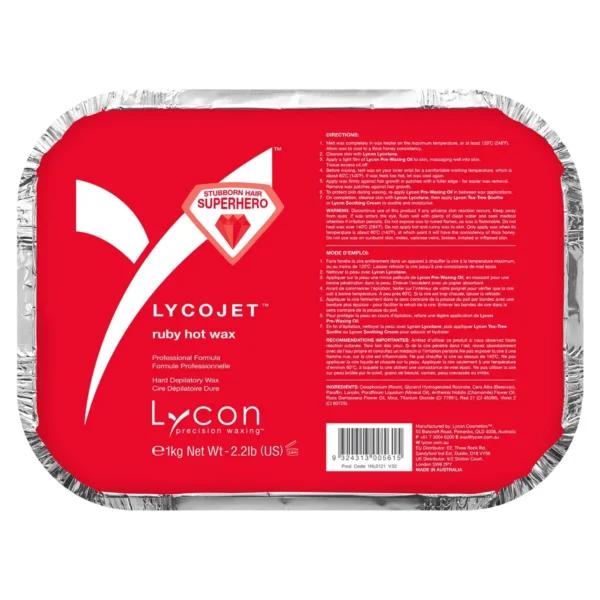
Lycon Lycojet Ruby Hot Wax 1kg
A current 1kg hot-wax option for salons comparing stripless formats.
Check current details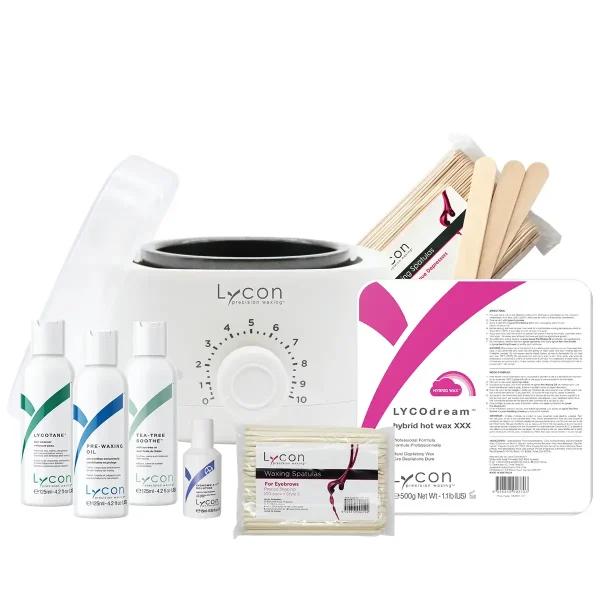
Lycon
Lycon Hot Professional Waxing Kit
A current Lycon kit that can help a salon assess the wider system, not only one refill.
Check current details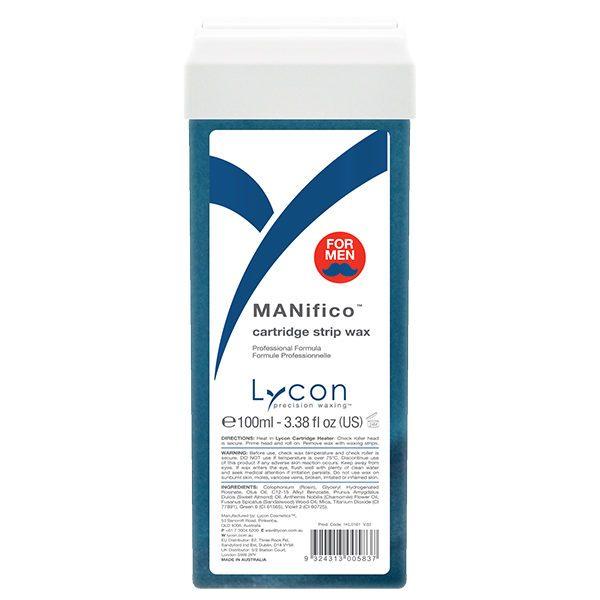
Lycon
Lycon Manifico Wax Cartridge 100ml
A current cartridge-format example for salons considering roll-on workflow.
Check current details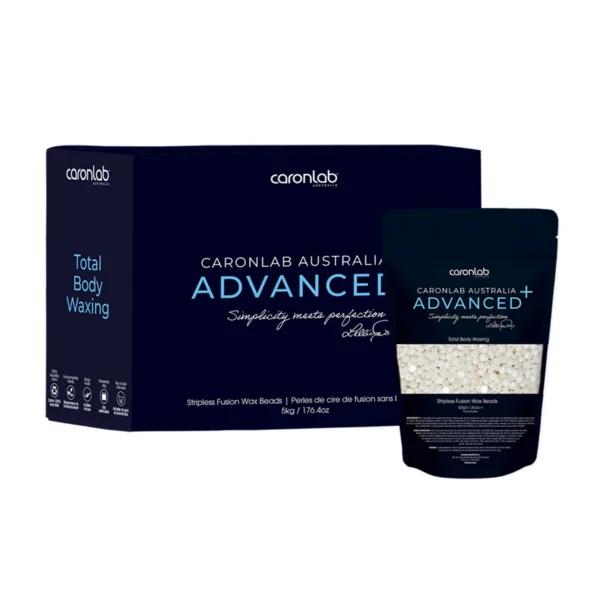
Caronlab
Caronlab Advanced+ Stripless Fusion Wax Beads
A current stripless bead-format option for a controlled salon trial.
Check current details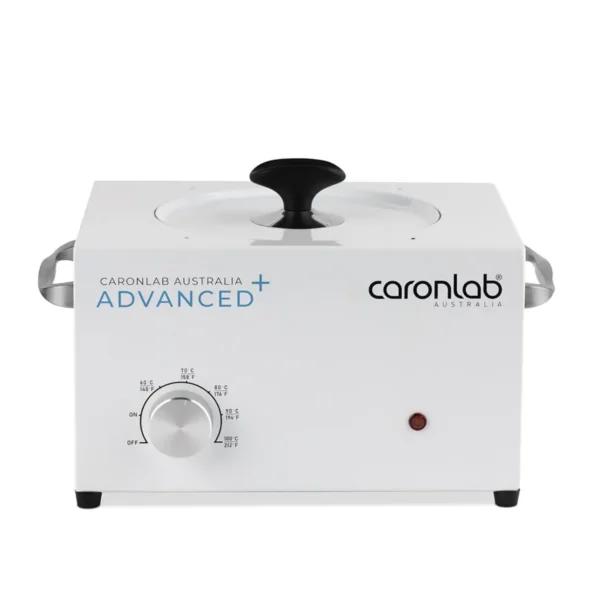
Caronlab
Caronlab Advanced+ Professional Wax Heater 3L
A current large-capacity heater example; verify insert, vessel and product compatibility before purchase.
Check current details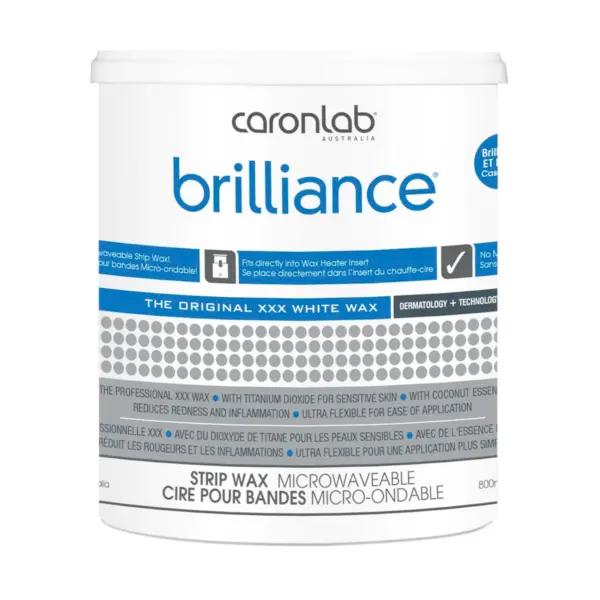
Caronlab
Caronlab Brilliance Strip Wax 800ml
A current 800ml strip-wax option for suitable salon services.
Check current detailsHow to run a fair Lycon vs Caronlab salon trial
Define one narrow question. For example: which current stripless wax gives our trained team the most repeatable workflow for a named service? Avoid testing an entire brand at once. Select the exact candidate products, obtain current directions and confirm the equipment required for each.
- Set the service. Choose one treatment type and define the normal appointment process.
- Prepare each system properly. Use the specified equipment, supporting consumables and directions for that product.
- Train before measuring. Give therapists supervised practice so familiarity does not decide the result.
- Create one observation sheet. Record readiness, application control, removal, residue, product use, disposables, cleanup and total room time.
- Use several ordinary appointments. One client or one unusually easy service cannot establish a reliable pattern.
- Review client experience carefully. Record relevant feedback without converting preference into medical or universal claims.
- Cost with current figures. Use the actual purchasing tier, measured consumption and realistic waste.
- Choose and document. Name the approved product, setup, service role and substitute process.
Protect client privacy in trial records and collect only information needed for service and business review. If a client presents a contraindication or an issue outside the therapist’s training, follow the salon’s established process rather than proceeding for the sake of completing a comparison.
When a Lycon system may make operational sense
Lycon may belong on the shortlist when the current catalogue contains the exact hot-wax, kit or cartridge formats your menu requires and the team can access suitable product-specific training. The examples above show that the live range spans more than one application method, which can be useful for a salon trying to source related parts of its waxing offer under a familiar range.
That is not proof that every Lycon product works together, nor that Lycon is better. Confirm compatibility individually. A salon already using a documented Lycon setup may also place a value on continuity: staff familiarity, existing equipment and established ordering codes can reduce change effort. Test whether that familiarity produces consistent results rather than assuming it does.
When a Caronlab system may make operational sense
Caronlab may belong on the shortlist when its current stripless, strip-wax and equipment options align with the salon’s defined menu and capacity needs. The examples above include beads, an 800ml strip wax and a 3L heater, demonstrating different pieces that a business might investigate while designing a professional system.
Again, range breadth is not compatibility. Verify the approved vessel, insert, capacity and working directions for the exact pairing. A salon with an established Caronlab protocol may benefit from continuity when training records, staff experience and replenishment already support it. Measure that operational value alongside product use and service observations.
Can a salon mix Lycon and Caronlab?
Yes, a mixed range can be sensible when each product has a distinct role. For example, the salon may identify one approved stripless product for a defined service and a different approved strip wax for another. The decision should be deliberate, not the result of buying whatever is discounted.
Write down each product’s role, heater or insert, working directions, preparation and aftercare system, storage position and substitute. Use labels and staff training to prevent accidental mixing of protocols. Never top one wax with another formula or treat heaters and containers as interchangeable unless current manufacturer information explicitly supports it.
The cost of a mixed range includes duplicated training, slower stock rotation and more complex troubleshooting. Keep it only when the service benefit outweighs that administration. Quarterly range reviews can identify products that no longer have a unique purpose.
How to migrate from one brand to another
Do not change a busy salon overnight because a new pack price looks attractive. First map the current system: products, equipment, open stock, average weekly use, staff competency and affected services. Check whether new equipment or inserts are required and plan supervised practice away from peak appointments.
Run old and new stock as separate, labelled systems during the controlled transition. Avoid pouring products together or applying old settings to the new formula. Update treatment protocols, stock sheets, safety information and ordering codes before the first unsupervised service. Tell reception staff only what they need to explain accurately; a brand change does not justify promising a better clinical outcome.
Use remaining stock according to its directions and shelf-life controls rather than creating avoidable waste. Once the transition is complete, remove obsolete cues and empty packaging from the workstation so the approved system is unambiguous.
Reordering and supply continuity
A strong wax becomes a weak salon system when it is regularly unavailable. Record average weekly use, supplier lead time, delivery variability and a reasonable safety-stock level. Check stock by product code and format, not merely brand, because similar names or packaging can cause purchasing errors.
Define an approved substitute only after checking its directions, compatibility and training requirements. If substitution changes the heater, preparation or technique, treat it as a controlled process change. Avoid last-minute swaps during a fully booked day.
Review live stock and pricing at reorder time. This satellite guide directs purchases to National Salon Supplies so the parent store remains the current source of catalogue information. Product visibility here should never be interpreted as a promise that stock is available at the moment you order.
Common comparison mistakes
- Comparing different wax types and declaring a brand winner.
- Using pack price instead of measured cost per treatment.
- Testing an unfamiliar product without adequate training.
- Applying one brand’s temperature or timing to another formula.
- Assuming similar containers, capacities or cartridges are compatible.
- Using one therapist’s preference as a business-wide conclusion.
- Repeating “painless”, “hypoallergenic” or sensitive-skin claims without exact current support.
- Buying a broad range before every product has a defined service role.
- Ignoring strips, applicators, aftercare, waste, cleanup and labour.
- Switching during peak trading without a migration plan.
Final recommendation
Do not ask the internet to crown Lycon or Caronlab. Ask your salon to define what a successful waxing system must do. Build like-for-like shortlists from current products, verify equipment and directions, train the team, trial under controlled conditions and calculate complete treatment cost.
Choose the smallest range that covers the menu reliably. One brand can simplify operations, while a mixed range can be justified when products have clear, non-duplicated roles. Document the decision and review it when products, instructions, pricing, staff or services change. That process is more valuable than any generic “best wax brand” verdict.
Ready to build your shortlist?
Review both live Australian ranges, then compare exact products for one service at a time.
Current product information and purchases are provided by National Salon Supplies.
Frequently asked questions
Is Lycon better than Caronlab for professional salons?
There is no universal winner. Compare the exact products, service fit, working method, staff competency, equipment compatibility, measured cost per treatment and supply continuity. A brand decision should follow a controlled salon trial, not reputation alone.
Can a salon use Lycon and Caronlab products together?
A salon can stock more than one brand, but it should not assume products, heaters, inserts or protocols are interchangeable. Follow the current instructions for every product and item of equipment, label each system clearly and train staff on the approved combinations.
Which brand is cheaper per waxing treatment?
Pack price cannot determine treatment cost. Measure wax used, supporting consumables, wastage, treatment and cleanup time, training and stockholding for comparable services. Prices and availability also change, so calculate with current figures.
How should a salon trial Lycon against Caronlab?
Choose like-for-like products for one defined service, use each under its own manufacturer directions, train participating therapists, record product use and workflow observations, and review several ordinary appointments before making a purchasing decision.
Should a new salon choose one waxing brand?
A simple core system is usually easier to train, reorder and troubleshoot, but one brand is not mandatory. Add another brand only where a product fills a defined service need and the team can manage the extra equipment, instructions and stock responsibly.