Professional waxing buying guide · Australia
Best Professional Hot Wax for Australian Salons
A practical way to compare hot, hard, film and hybrid waxes—without pretending one product is right for every salon, service or client.
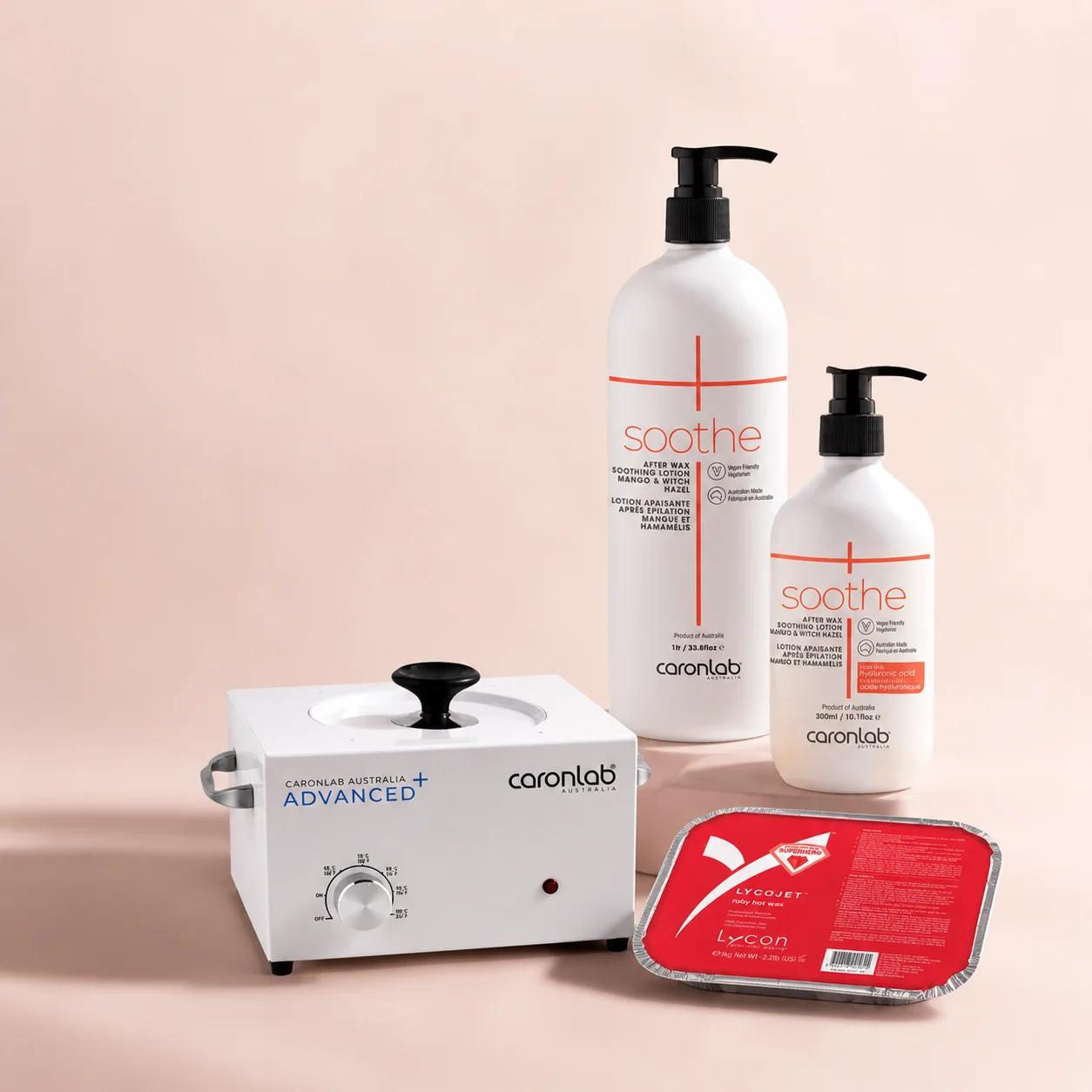
Our recommendation in one minute
For an Australian salon, build a small hot-wax system around treatment needs rather than collecting overlapping formulas. Choose one dependable general-purpose stripless or hard wax for the areas and hair types named by its manufacturer, then add a specialist option only when client demand justifies it. Confirm heater compatibility, working directions, staff competence, pack format, supply continuity and actual cost per service. The products below are current examples from National Salon Supplies, grouped as options to investigate—not an unsupported universal ranking.

What does “best professional hot wax” actually mean?
Search results often treat hot wax like a beauty award: one product wins and every salon should buy it. Professional purchasing is more nuanced. A busy waxing studio, a hair salon adding brow services and a mobile therapist do not share the same menu, volume, bench space or training needs. The best product is therefore the one that repeatedly supports the intended service when used according to its current directions.
A useful comparison asks six questions. Is the wax intended for the area and hair being treated? Can the team control its working consistency? Does it fit the salon’s heater and workflow? Are the instructions, warnings and training requirements clear? Can the supplier replenish it reliably? Does the real cost per completed service support the menu price? If a product fails one of those tests, popularity cannot rescue the purchasing decision.
This guide does not claim that one formula is safest, least painful or universally suitable. Those claims depend on evidence, client factors and correct technique. Instead, it gives salon owners a repeatable way to compare current options while keeping manufacturer directions and professional judgement at the centre.
Understand the language before comparing products
Australian suppliers and manufacturers may use “hot wax”, “hard wax”, “stripless wax”, “film wax” and “hybrid wax” in overlapping ways. Broadly, these products are warmed, applied with a spatula, allowed to set and removed without a paper or fabric strip. However, the exact working temperature, application thickness, setting behaviour and recommended treatment areas vary by formulation.
Traditional hot or hard wax
Traditional formats are often supplied as blocks, discs, pellets or beads. They may be applied more substantially than some modern film waxes and removed once set. Therapists familiar with a particular traditional system may value its body, edge formation and removal feel. A larger application is not automatically better: use the thickness and working method specified for that product.
Film and stripless wax
Film wax is generally marketed around a thinner, flexible application. Flexibility can be useful when the product must set without becoming brittle, but performance depends on correct temperature, thickness and removal timing. Do not assume every film wax can be applied equally thin or used on every area.
Hybrid wax
“Hybrid” usually describes a formulation positioned between familiar hot-wax handling and newer flexible-film characteristics. It is a product category, not a universal technical standard. Read what the manufacturer means for the exact item and avoid transferring the instructions from one hybrid wax to another.
Beads versus blocks
Beads make it easy to portion smaller amounts and top up a heater gradually. Blocks and discs may be perfectly practical for salons already trained on them. Pack format affects handling and stock control, but it does not prove grip, comfort, flexibility or economy. Compare formulation and protocol first, format second.
A salon decision framework
| Decision | Evidence to collect | Red flag |
|---|---|---|
| Service fit | Manufacturer-named areas, hair characteristics and exclusions | Choosing by colour, scent or social popularity alone |
| Working behaviour | Directions for heating, application, setting and removal | Staff guessing temperature or copying another brand’s process |
| Client process | Consultation, contraindication and patch-test instructions | Treating “gentle” or “natural” as an allergy guarantee |
| Operations | Warm-up time, heater capacity, treatment volume and cleanup | One small heater expected to support simultaneous services |
| Economics | Observed grams used, wastage, service time and consumables | Comparing only the shelf price per pack |
| Supply | Current availability, pack options and substitute procedure | No plan if the core formula is unavailable |
Use the framework before requesting samples or buying a carton. It prevents the trial from becoming a vague preference test. Therapists can then compare consistent factors: ease of portioning, time to working consistency, application control, setting window, edge formation, removal integrity, residue, cleanup and product used per comparable treatment.
Current professional hot waxes worth comparing
The following products were confirmed on the live National Salon Supplies hot-wax category on 9 September 2026. They represent different brands and formats. Inclusion means the product was listed when reviewed; it is not a guarantee of stock tomorrow, a clinical endorsement or a claim that it suits every client. Check the live page for current variants, directions, pricing and availability.
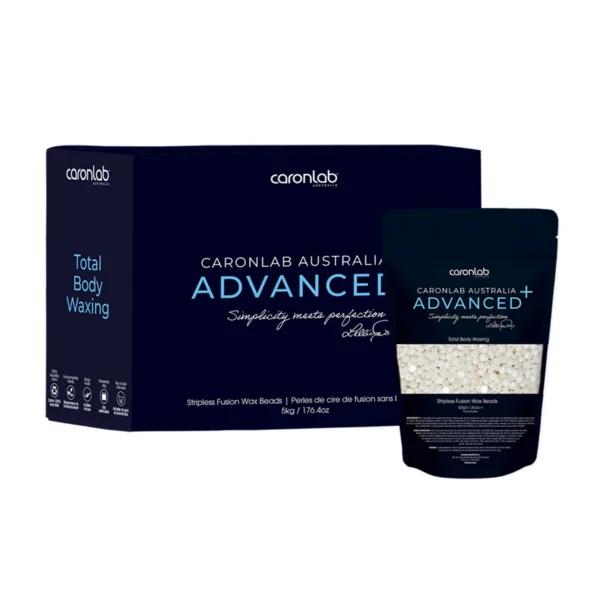
Caronlab Advanced+ Stripless Fusion Wax Beads
Best considered by salons wanting a current stripless bead format from Caronlab.
Check product details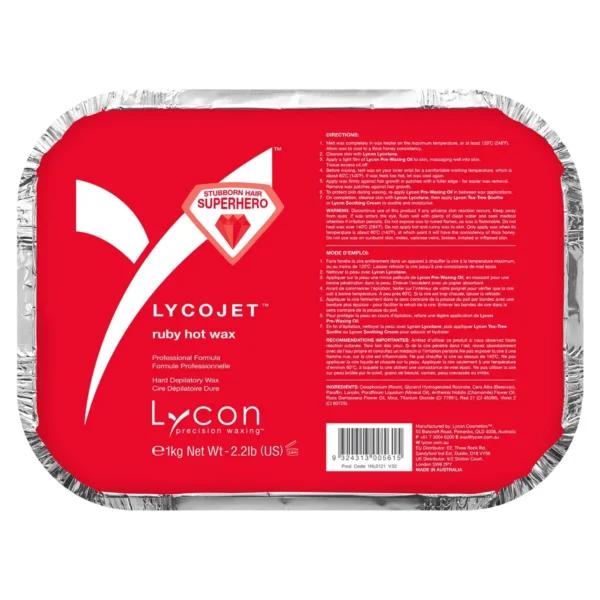
Lycon Lycojet Ruby Hot Wax 1kg
A traditional-format Lycon hot wax currently listed in a professional 1kg size.
Check product details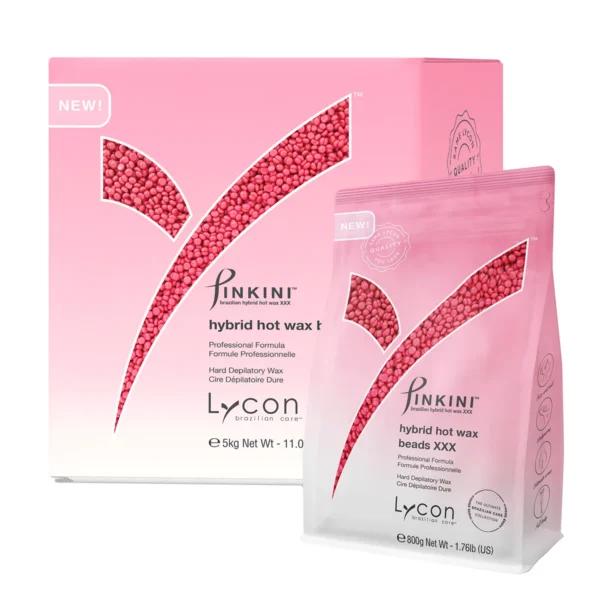
Lycon Pinkini Brazilian Hybrid Hot Wax Beads
A bead-format hybrid hot wax in the current Lycon range.
Check product details
Depileve Karite Traditional Hot Wax Beads 1kg
A current traditional hot-wax bead option from Depileve.
Check product detailsHow to shortlist without pretending there is one winner
Create a shortlist of two or three products that clearly match the service. For example, a salon may compare a flexible bead formulation with the traditional product its senior therapist already knows. Another salon may compare only bead formats because portion control and compact storage are operational priorities. Keep the trial question specific: “Which approved option gives our team the most consistent application and lowest measured waste for this service?” is better than “Which wax feels nicest?”
Do not compare products under different conditions. Use the correct dedicated directions for each, but hold the service area, therapist experience, heater condition and recording method as consistent as practical. A product tested by the senior wax specialist should not be declared better than one first used by an untrained junior.
Record observations without creating medical or performance claims. Useful notes include warm-up workflow, application control, setting cues, whether edges were easy to form, whether the wax remained intact at removal, cleanup and quantity used. Client comments can inform experience, but a handful of comments cannot establish that a wax is universally less painful or appropriate for sensitive skin.
Match the wax to the treatment—not the trend
Start with the product’s stated treatment areas. Contoured areas require application sizes and removal control that differ from broad, flat areas. Coarse, dense growth presents a different practical challenge from fine hair. The therapist must still assess the individual client and work within training and directions; a product category cannot make that decision automatically.
For a salon with a broad menu, one general-purpose professional hot wax may cover the majority of suitable services, with a second formulation reserved for a clearly defined need. This makes training, stock rotation and troubleshooting easier. Carrying six similar waxes often creates more half-used stock and less consistency without improving the client offer.
Specialist branding can be commercially useful when it corresponds to a real service protocol. It is less useful when it encourages therapists to select by fragrance, packaging or a body-area word on the label without reading the current directions. Define what each wax is for in your salon manual and remove products that have no distinct role.
Heater choice and working consistency
A professional wax is only one part of the system. Heater capacity must match service volume, pot or insert dimensions must be compatible, and the unit must be positioned on a stable surface with a safe cable route. A salon performing consecutive waxing appointments may need more capacity or a planned replenishment method than an occasional treatment room.
Temperature dials are controls, not universal instructions. The number on one heater cannot be assumed to equal the same wax condition in another. Ambient temperature, fill level, heater design and formulation all influence working consistency. Follow manufacturer guidance, stir only where directed, test according to protocol and observe the wax throughout the service.
Wax that is too cool may become difficult to spread, encourage excessive pressure or set before the therapist completes the application. Wax that is overheated presents an obvious client risk and may alter working behaviour. If consistency changes, pause and correct the system. Do not rush because the appointment is running late.
Use removable inserts or collars only when compatible with the heater and process. Keep the exterior, controls and bench clean according to equipment guidance. Inspect cables, plugs, housings and pots routinely and remove damaged electrical equipment from service. Product selection cannot compensate for a poorly maintained heater.
Ingredients, fragrance and consultation
Formulations may contain resins, polymers, oils, colourants, fragrance and other ingredients. Product pages often highlight selected ingredients, but a highlighted ingredient is not the complete formula and does not determine suitability by itself. Obtain the current ingredient information and warnings for products used in your business.
Words such as hypoallergenic, natural, vegan, gentle or sensitive require careful interpretation and evidence. They do not eliminate the need for consultation or adherence to patch-test directions. Fragrance can contribute to the salon experience, but it may also be relevant to individual preferences or sensitivities. Offer factual information rather than promising that a formula cannot cause a reaction.
Record known client information according to your privacy and professional obligations, inspect the treatment area and recognise when treatment should not proceed. If a condition falls outside the therapist’s scope, defer or refer appropriately. Online buying guidance is never a substitute for accredited training or clinical advice.
Professional application workflow
- Confirm the booking, treatment area and planned product before preparing the room.
- Inspect the heater and set out cleanser, applicators, gloves, aftercare and waste controls.
- Complete consultation, check contraindications and follow patch-test requirements.
- Prepare the skin using the product system and directions.
- Bring the wax to its specified working consistency and test temperature according to protocol.
- Use a fresh applicator and apply in the direction and thickness taught for that wax.
- Create a controlled edge or tab where required, without extending the application beyond your removal control.
- Allow the correct setting window; support the skin and remove using trained technique.
- Observe the skin before deciding whether any further application is appropriate.
- Complete aftercare, explain home-care guidance and document the service.
Application size should reflect the area, hair, wax behaviour and therapist skill. Oversized patches may appear faster but reduce control. Very small patches may prolong the service and increase repeated handling. Standardise a safe working range during training and assess staff on control before speed.
Hygiene and contamination control
Waxing involves close skin contact and may involve exposure to body substances. Build the workstation around a clean-to-used flow. Store unused spatulas away from the active treatment zone, provide a lined waste container within reach and avoid touching clean stock with contaminated gloves.
Never double-dip a used applicator into wax. Use a new disposable applicator for each contact in accordance with your infection-control process. A salon should also define how heater controls, handles, trolley surfaces and product containers are cleaned between clients without damaging electrical equipment.
Requirements differ by jurisdiction and business type. Review current state or territory guidance, workplace risk controls and manufacturer instructions. Keep staff training records and revisit the protocol when products, equipment or services change.
Troubleshooting hot-wax problems
| Observation | Check first | Do not do |
|---|---|---|
| Wax is stringy or hard to spread | Working consistency, heater stability and manufacturer method | Increase heat blindly or press harder on the skin |
| Wax breaks during removal | Application thickness, setting time, edge and removal technique | Assume every formula needs the same thickness |
| Wax remains tacky | Temperature, set time, room conditions and product directions | Layer another product over an uncontrolled application |
| Results vary between therapists | Training, heater settings, patch size and recorded process | Buy another wax before observing the workflow |
| High product use | Patch thickness, pot loading, drips and discarded remainder | Judge economy from pack price alone |
| Unexpected skin response | Stop, follow salon response protocol and document accurately | Make a diagnosis or continue because the appointment is incomplete |
Calculate cost per treatment properly
Pack price is easy to see and easy to misuse. A more expensive wax may cost less per treatment if the trained team applies less and discards less. A low-priced bulk format may be poor value for a low-volume room if opened stock is not rotated or the product has no defined role.
During a controlled trial, weigh or otherwise record product use in a practical, consistent way. Add disposable applicators, gloves, pre-care, aftercare, cleaning materials and reasonable wastage. Divide the total consumable cost by comparable completed treatments. Then add labour and overheads when reviewing service pricing.
For illustration only, if wax and supporting consumables cost $300 across 75 comparable services, the measured consumable cost is $4 per service. That is not the service price: wages, superannuation, rent, utilities, booking costs, laundry, insurance, training, GST and profit still matter. Use your own business figures.
Track why wax is discarded. Contamination, excessive pot loading, poor stock rotation and technique-related overuse need different solutions. Purchasing a cheaper formula will not fix a broken process.
Train the team before expanding the range
Introduce one formula at a time. Give staff the current directions, demonstrate preparation and working cues, and supervise practice without appointment pressure. Assess consultation, temperature testing, application control, skin support, removal and hygiene—not just speed.
Create a one-page salon protocol identifying the approved heater, wax, applicators, supporting products, setup sequence and cleanup process. Record who has been trained and when the process was reviewed. If the manufacturer changes a formulation or instruction, reassess rather than assuming the old method remains correct.
After several comparable services, review product use, waste, treatment timing, therapist control and client feedback. Individual feedback is useful operationally but should not be turned into broad efficacy claims. Expand to another wax only when the data shows a distinct service need.
Stock control and substitution
Define a minimum stock level from average use and supplier lead time. Rotate by expiry where applicable, retain traceability information and store the product as directed. Do not overfill heaters merely to avoid topping up, and do not return unused heated wax to original packaging unless directions expressly support that process.
When the core wax is unavailable, a substitute requires a fresh compatibility and protocol check. Similar colour or category does not mean identical working behaviour. Update the trolley label, advise the team and verify client considerations before the replacement enters service.
How to run a useful in-salon wax trial
A trial should answer a purchasing question, not manufacture a winner. Write down the decision before opening the product: for example, whether a candidate can replace the current core wax without increasing service time or waste, or whether a flexible bead format gives the team better control for a defined treatment. Select only products whose directions support that use.
Prepare a simple trial sheet with the product and batch, heater and insert, amount loaded, room conditions if relevant, therapist, treatment type, application observations, product used, discarded wax, total appointment time and cleanup notes. Do not record unnecessary client identifiers. The aim is enough operational context to explain the result without creating a burdensome research project.
Give every candidate a fair setup. A new wax should not be judged using the temperature, thickness or set time learned for another brand. Review the directions first, then allow staff to practise its working cues. If only one therapist can control the product after appropriate training, decide whether that specialisation is commercially acceptable or a barrier to a consistent team service.
Compare several genuinely similar appointments rather than drawing conclusions from one easy or difficult service. Hair density, treatment area, client factors and therapist experience can distort an isolated result. The salon is not conducting a clinical study, so keep conclusions modest: “lower measured wastage in our recorded trial” is defensible; “less painful for sensitive skin” is not established by an informal internal test.
At the review meeting, separate product findings from process findings. If every wax is being applied too thickly, changing brands will not solve the training issue. If one product repeatedly breaks despite correct brand-specific preparation and technique, it may be a poor operational match even if another salon loves it. Record the reason for the final decision so the next review does not restart from memory.
When should a salon review its hot-wax range?
Review the range at least quarterly and whenever the supplier, formulation, directions, packaging, heater setup or service menu changes. Also review after repeated technique complaints, unexpected waste, stockouts or a noticeable change in working behaviour. Check the current product page and manufacturer information rather than assuming a familiar name means nothing has changed.
A range review does not require replacing products. Often the best result is to keep a proven core wax, remove duplicate slow-moving options and improve reorder levels. Change has a training cost, so require a clear service, supply or economic reason before disrupting a reliable system.
Keep an approved-product register showing each wax’s purpose, current supplier link, compatible heater, staff training status and last review date. This small piece of governance improves traceability, makes substitutions more deliberate and prevents forgotten products from accumulating at the back of the cupboard.
Professional hot-wax buying checklist
- Which exact services will this wax support?
- Does the manufacturer name the intended areas and use?
- Is it traditional, film, stripless or hybrid, and what does that mean for its directions?
- Are pack format and size practical for treatment volume?
- Is the heater or insert demonstrably compatible?
- What training or technique change is required?
- Are ingredient, warning and patch-test details available?
- How will the salon prevent double dipping and cross-contamination?
- What is the measured cost per comparable treatment?
- Can the product be replenished reliably?
- Does it add a distinct purpose or duplicate existing stock?
- What is the documented substitute if supply changes?
Final verdict
The best professional hot wax for an Australian salon is not a single product name. It is a verified product-and-process match. Caronlab, Lycon, Depileve and other brands in the current National Salon Supplies range give salons credible options to assess, but the final choice should follow treatment fit, directions, heater setup, team competency, supply and real cost data.
Start with one core formula and a defined trial. Train the team, measure the outcome and fix workflow problems before adding variety. That approach produces a more defensible buying decision—and a more consistent salon service—than a long list of products labelled “best” without context.

Current product details and purchases are provided by National Salon Supplies.
Frequently asked questions
What is the best professional hot wax for a salon?
There is no single best wax for every salon. Choose by treatment area, hair characteristics, working style, staff training, heater compatibility, manufacturer directions and measured cost per service.
Does professional hot wax need removal strips?
Hot, hard and stripless waxes are generally designed to set and be removed without a paper or fabric strip. Confirm the directions for the exact product because terminology varies between brands.
Are hot-wax beads better than wax blocks?
Beads are convenient for measuring and topping up, while blocks or discs may suit an established system. Format alone does not determine treatment performance or value.
Can salons mix different hot waxes?
Do not mix formulations unless the manufacturer expressly permits it. Combining products can change working behaviour, temperature requirements and traceability.
How should a salon compare hot-wax value?
Measure usable treatments, application thickness, wastage, service time and supporting consumables rather than comparing pack price alone.