Professional waxing how-to · Australia
How to Set Up a Professional Waxing Trolley
A practical clean-to-used workflow for equipment, consumables, stock control and reliable between-client resets—without pretending furniture alone creates compliance.
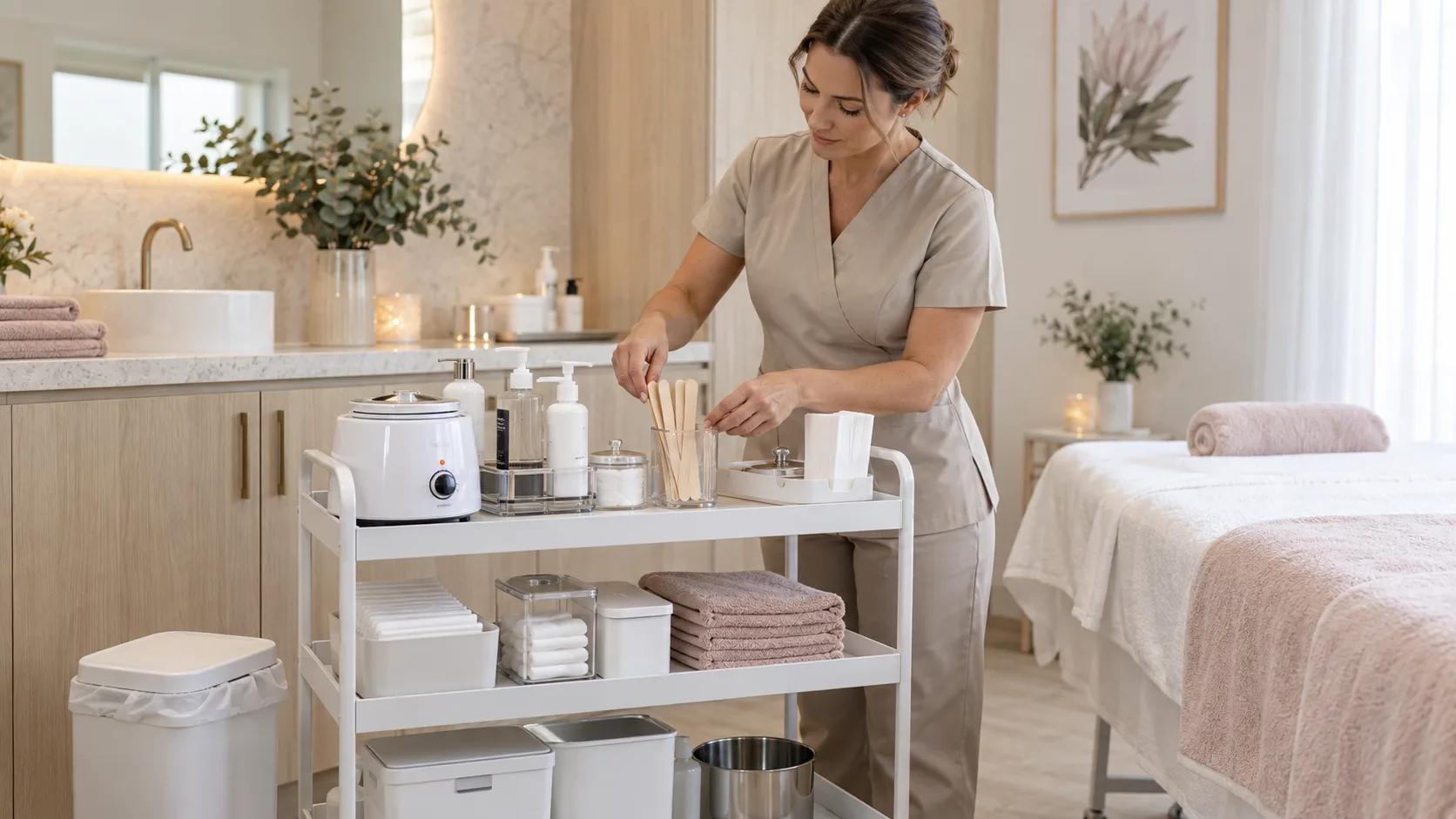
The short answer
Set up a professional waxing trolley in three functional zones: protected clean stock, the active treatment area and a direct used-item pathway. Place the stable, compatible heater where the therapist can reach it without crossing the client or trailing a cable through movement space. Store applicators and strips so unused supplies cannot be touched by used hands or gloves. Keep treatment products in controlled dispensers, provide access to lined waste, and clean the trolley between clients. This layout supports good practice, but it does not prove legal compliance—check current state, territory and local council requirements.
First: a trolley cannot make a waxing service “compliant”
Compliance is broader than furniture placement. It can include premises registration, local council expectations, handwashing facilities, staff training, infection-control procedures, waste management, equipment maintenance and the way the service is performed. Requirements differ across Australia and can change.
NSW Health currently describes waxing as a skin-penetration procedure and requires infection-control practices. Its waxing factsheet says treatment surfaces should be cleaned between clients, sufficient single-use spatulas should be available to prevent double dipping, and contaminated wax must not be reused. Victoria’s Department of Health likewise tells beauty therapy businesses to follow infection-prevention and control procedures.
Use this guide as an operational layout, not a legal certificate. Review the current NSW Health waxing guidance, the Victorian beauty-therapy guidance, relevant rules in your state or territory and advice from your local council.
Choose a trolley for the workflow, not the showroom
A beautiful trolley is useful only if it can be cleaned, remains stable and gives the therapist enough separation between clean stock and active treatment items. Start with the services performed in the room. A brow-only station needs a different footprint from a room offering leg, body and intimate waxing with multiple heaters.
Inspect surface materials, joints, drawer interiors, handles, wheels and brakes. Ask whether exposed surfaces can be cleaned using the salon’s approved products without damage. Deep decorative grooves, porous finishes and overcrowded open shelves may be harder to manage. Confirm the manufacturer’s care instructions before deciding what cleaning product belongs on the trolley.
Drawers help protect reserve stock, but they do not remain clean if opened with contaminated hands or gloves. Open shelving improves visibility, but clean items need protection from splashes and touch. The best layout is the one the team can follow correctly during a real appointment.
The three-zone waxing trolley
| Zone | Purpose | Typical contents | Control |
|---|---|---|---|
| Protected clean stock | Holds unused items away from the active area | Covered applicators, strips, disposable supplies and sealed reserve stock | Access before treatment or with clean hands only |
| Active treatment zone | Contains only what the current service needs | Heater, approved wax, decanted or controlled products and a small working quantity of supplies | Keep uncluttered and within a safe reach |
| Used-item pathway | Moves used items away without crossing clean stock | Immediate route to lined waste and any defined reprocessing container | Never return used items to the clean zone |
The zones do not need printed labels if the physical arrangement is unmistakable. A useful test is to watch a therapist complete a simulated appointment. If their hand repeatedly crosses over clean stock to discard an applicator, the layout is fighting the protocol.
Position the trolley before loading it
Place the trolley on a level surface where it will not obstruct the client, door, handwashing route or therapist’s working stance. Lockable wheels are useful only when the brakes are actually engaged. Keep enough clearance to clean around and underneath the unit.
The therapist should be able to reach the active zone without twisting across the client. At the same time, the trolley should not be so close that the client can contact the heater, hot surfaces or electrical lead. Confirm the equipment’s clearance and ventilation instructions.
Plan the waste route at the same time. A lined bin should be accessible without carrying used applicators over clean products. NSW Health states that waste should be tightly bagged and disposed of daily; apply the current requirements for your own jurisdiction and waste type.
Heater placement and electrical safety
Use a stable heat-resistant working surface and a heater compatible with the wax format. Do not balance a heater on towels, place it at the trolley edge or route the cable where the therapist or client can catch it. Avoid power-board arrangements that conflict with equipment instructions or workplace electrical controls.
Inspect the heater, plug, cable, lid and inserts before use. Remove damaged equipment from service rather than creating a temporary fix. A clean exterior does not prove the unit is electrically sound, and a functioning thermostat does not replace temperature testing and product-specific working directions.
Keep bottles and decanted liquids where they cannot spill into electrical controls. If multiple heaters are required, check that the trolley safely supports their combined footprint and weight. A second stable station may be better than overcrowding one trolley.
Single-use applicators and double-dipping control
Load enough clean applicators for the planned appointment plus a reasonable contingency. The therapist should never need to ration spatulas mid-service. NSW Health says there must be enough single-use spatulas to prevent double dipping and that wax and an applicator, roller or cartridge used for the procedure must be disposed of after that procedure.
Keep fresh applicators in a covered or protected container. Do not place a bulk carton inside the splash zone. Once an applicator has contacted the client, move it directly to waste; never rest it on the trolley or return it to wax. Reheating or filtering wax does not remove the cross-contamination risk described in the NSW guidance.
Cartridge systems need an equally explicit rule. A roller or cartridge is not automatically multi-client merely because wax is enclosed. Follow the manufacturer’s directions and the applicable health requirements for client allocation, disposal and handling.
Wax strips, gloves and other disposables
For strip-wax services, place a small working quantity of compatible strips in the active zone and keep reserve stock protected. Pre-cut strips can simplify portioning; rolls may offer sizing flexibility but add cutting and handling steps. Choose according to the product directions and salon protocol.
Glove use should follow the procedure risk assessment and current jurisdictional guidance. NSW Health says beauticians should wear a clean gown or apron and single-use gloves where exposure to blood or body substances is anticipated, and hands should be washed at specified points including after glove removal. Gloves do not replace hand hygiene and should not be used to move between contaminated and clean tasks.
Do not overstock the active surface. Extra cotton pads, strips, tissues and applicators can all become waste if contaminated during the appointment. Replenish between clients with clean hands rather than exposing a full day’s stock.
Preparation and aftercare products
Keep only products approved for the planned service on the active trolley. Read current directions, warnings, storage requirements and dispensing instructions. Pumps can reduce direct container contact, but the pump exterior still becomes a touchpoint that needs a cleaning process.
NSW Health says liquids and creams should be decanted into single-use containers and a new single-use applicator used for each person to prevent cross-contamination. Apply the rules relevant to your location and product. Do not top up a partly used single-use portion or return unused decanted product to the original container.
Separate skin products from equipment-cleaning chemicals. Keep every bottle identifiable and retain required safety information. Never decant chemicals into an unlabelled cosmetic container or rely on colour to distinguish them.
Opening setup checklist
- Confirm the trolley and surrounding floor are visibly clean and dry.
- Inspect wheels, brakes, shelves, drawers and handles.
- Inspect heater housing, cable, plug, inserts and controls.
- Confirm the wax and supporting products are approved for booked services.
- Check current product directions and any recorded opening or expiry controls.
- Protect reserve applicators, strips and disposables.
- Load only a practical working quantity into the active zone.
- Place preparation and aftercare products in their defined positions.
- Provide the protective items required by the risk assessment.
- Position lined waste without crossing the clean area.
- Confirm handwashing supplies and cleaning materials are available.
- Document required equipment checks before the first client.
The between-client reset
A reset is a controlled sequence, not a quick visual tidy. Remove used single-use items and manage waste without crossing clean stock. Perform hand hygiene at the required points. Clean treatment surfaces and relevant trolley touchpoints using the approved method, allowing any required contact time before drying or reuse.
Replace linen or clean impervious coverings as required. NSW Health states that clean towels and linen should be used for each client and that an impervious cover must be cleaned and disinfected before each new client. Follow the current requirements applying to the business.
Restock with clean hands only after the dirty phase is complete. Check remaining wax, product dispensing points, heater exterior, handles and anything touched during the appointment. Record incidents, equipment faults or unexpected skin responses according to salon procedure.
Closing routine and stock rotation
At closing, complete the full equipment and surface process rather than leaving dried wax for the next shift. Follow heater instructions before unplugging, cooling, moving or cleaning it. Never introduce liquid into electrical components.
Remove waste according to current requirements, clean bins and allow cleaned items to dry before protected storage. Rotate stock using opening and expiry controls where applicable. Investigate unexplained overuse: it may signal excessive application, spills, double handling or poor stock access.
Use a short signed checklist only if it improves accountability. A tick is not evidence when staff do not understand the method. Periodically observe the actual reset and retrain when the written process no longer matches the room.
Current products to investigate
The following products were present in the live National Salon Supplies catalogue on 14 September 2026. They are examples to investigate, not a complete trolley prescription or compliance endorsement. Check current specifications, care instructions, suitability, stock and pricing on the live product page.
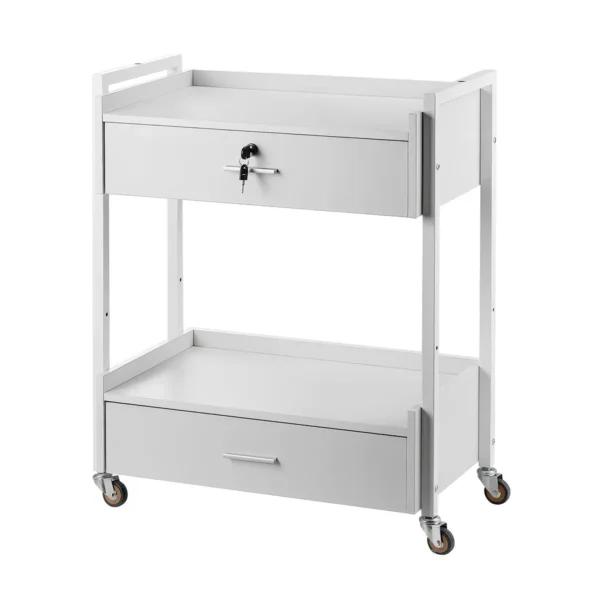
Karma Bakewell Beauty Trolley 2 Drawer
A current two-drawer trolley option for salons wanting enclosed storage plus a working surface.
Check current details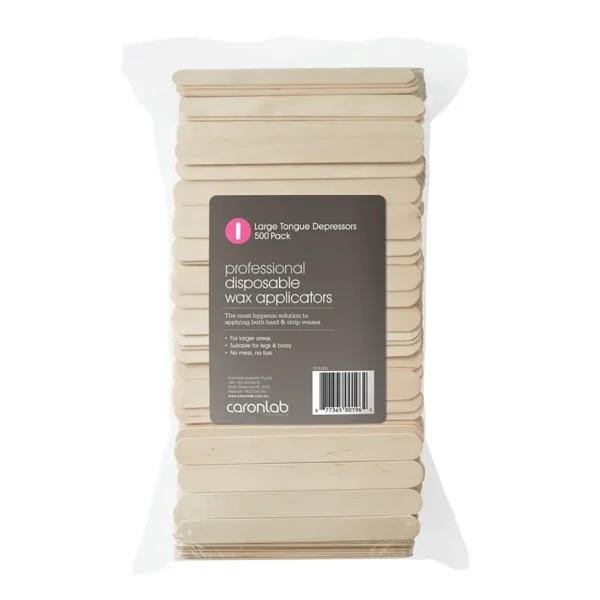
Caronlab Disposable Wax Applicators Tongue Depressors 500pk
Single-use applicators stocked in a bulk professional pack.
Check current details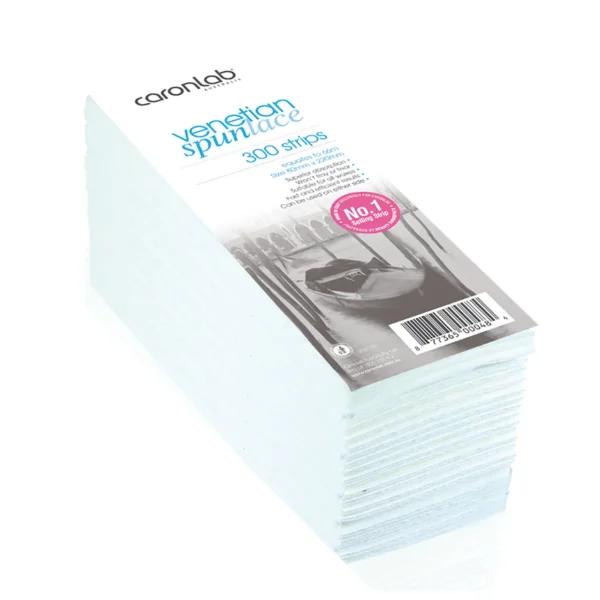
Caronlab Venetian Spunlace Strips 300pk
Pre-cut professional waxing strips for appropriate strip-wax services.
Check current details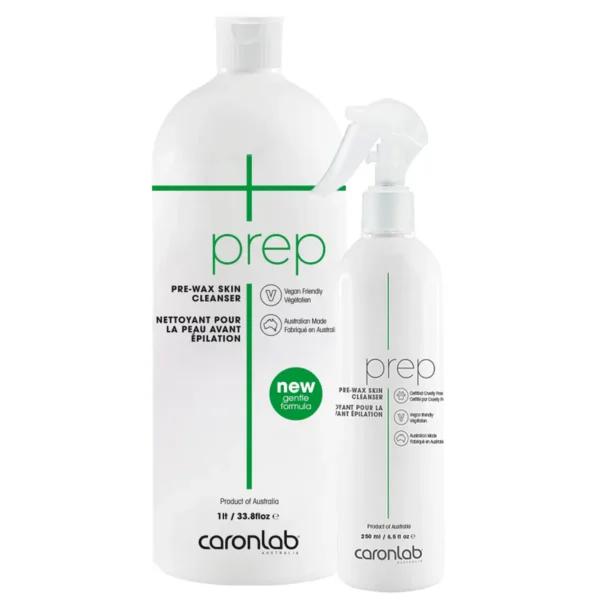
Caronlab Prep Pre Wax Skin Cleanser
A current pre-wax cleanser range; select the size and use it according to current directions.
Check current detailsCommon waxing-trolley mistakes
| Problem | Why it matters | Better control |
|---|---|---|
| Bulk clean stock beside the client | A larger quantity can be exposed when only a few items were needed | Protect reserve stock and place out a working quantity |
| Waste bin behind clean supplies | Used items cross the clean zone during disposal | Create a direct used-item pathway |
| Heater at the trolley edge | It is easier to contact, knock or catch the cable | Use a stable central position with safe clearance |
| Opening drawers with used gloves | Protected stock and handles can become part of the contaminated pathway | Gather supplies before treatment and reset with clean hands |
| Unlabelled decanted products | Identity and correct use can become uncertain | Follow product, workplace and safety labelling requirements |
| One cloth for the whole room | The cleaning process can spread contamination between surfaces | Use the approved surface-specific process and change materials as required |
| Decorative clutter on the trolley | It consumes cleanable space and creates extra touchpoints | Keep the active station service-specific and minimal |
Audit the setup in ten minutes
Stand at the treatment position and trace the therapist’s hands through consultation, preparation, wax application, disposal, aftercare and reset. Count every time the workflow crosses from used to clean. Check whether a therapist can reach the bin, strips and fresh applicators without touching reserve stock.
Then inspect the physical trolley. Can every surface and handle be cleaned? Is the heater stable? Are cables controlled? Are clean supplies protected? Are products identifiable? Is there enough stock for the service without crowding the active surface? Can the room be reset without moving contaminated items over the treatment bed?
Finally, compare the observed routine with the written procedure and current local guidance. Fix the layout first when it causes repeated errors. Retrain where the layout is sound but the method is not followed. Replace damaged or unsuitable furniture and equipment rather than asking staff to work around it indefinitely.
Train the team and rehearse the unexpected
A well-arranged trolley cannot compensate for an unclear response when something goes wrong. Train every therapist on the opening setup, clean-to-used hand sequence, product dispensing, heater checks, waste pathway and between-client reset. Observe the full process rather than testing knowledge with a checklist alone. Record training and reassess competency when equipment, products, instructions or services change.
Rehearse realistic interruptions. What happens when the therapist needs extra strips, a bottle pump stops working, an applicator falls, wax spills outside the controlled surface or the client reports unexpected discomfort? The safest response should not require reaching through clean stock or abandoning the client to search another room. Define who can assist, where replacement supplies are kept and how affected surfaces or stock are isolated.
The salon also needs an incident process appropriate to its services and obligations. Staff should know when to stop treatment, how to protect the client, who must be notified internally and what factual details should be documented. They should not diagnose a skin condition or improvise treatment beyond their training. Review incidents and near misses for layout lessons: repeated spills or contaminated drawer handles often reveal a system problem, not simply an inattentive person.
Keep emergency and first-aid arrangements separate from ordinary waxing stock and aligned with workplace requirements. Check them on the business schedule, not only after an event. The goal is a team that can maintain calm, privacy and infection-control discipline even when the appointment no longer follows the ideal sequence.
Final recommendation
A professional waxing trolley should feel deliberately sparse. Protect clean supplies, keep the active surface limited to the current service and provide an immediate route for used items. Position the heater securely, control the cable, prevent double dipping and reset the station between every client using the approved process.
Do not market the trolley itself as “compliant”. Verify the entire business process against current state or territory rules, local council requirements, manufacturer directions and staff training. When the setup makes correct actions easy, appointments become calmer, stock use becomes more predictable and clients can see the professionalism behind the service.

Current products and purchases are provided by National Salon Supplies.
Frequently asked questions
What should be on a professional waxing trolley?
Keep only the approved wax system, compatible heater and applicators, enough clean single-use consumables for the appointment, preparation and aftercare products, protective items required by the risk assessment, and access to a lined waste container. Exact requirements depend on the service and jurisdiction.
Can clean and used items share the same trolley?
The trolley should support a clear clean-to-used flow. Keep unused stock protected from the treatment zone and move used or contaminated items directly to the appropriate waste or reprocessing pathway.
How often should a waxing trolley be cleaned?
Clean relevant surfaces between clients and whenever contamination occurs, following the product, equipment and current local health requirements. Maintain a documented opening, between-client and closing routine.
Does an organised trolley make a salon legally compliant?
No. A trolley is only one part of premises, training, infection-control and business obligations. Check current state or territory guidance and local council requirements.