Professional waxing stock-control guide · Australia
11 Waxing Consumables Salons Forget to Reorder
A practical stocktake for the small items that keep appointments moving—plus a simple method for setting reorder points, par levels and a reliable weekly count.
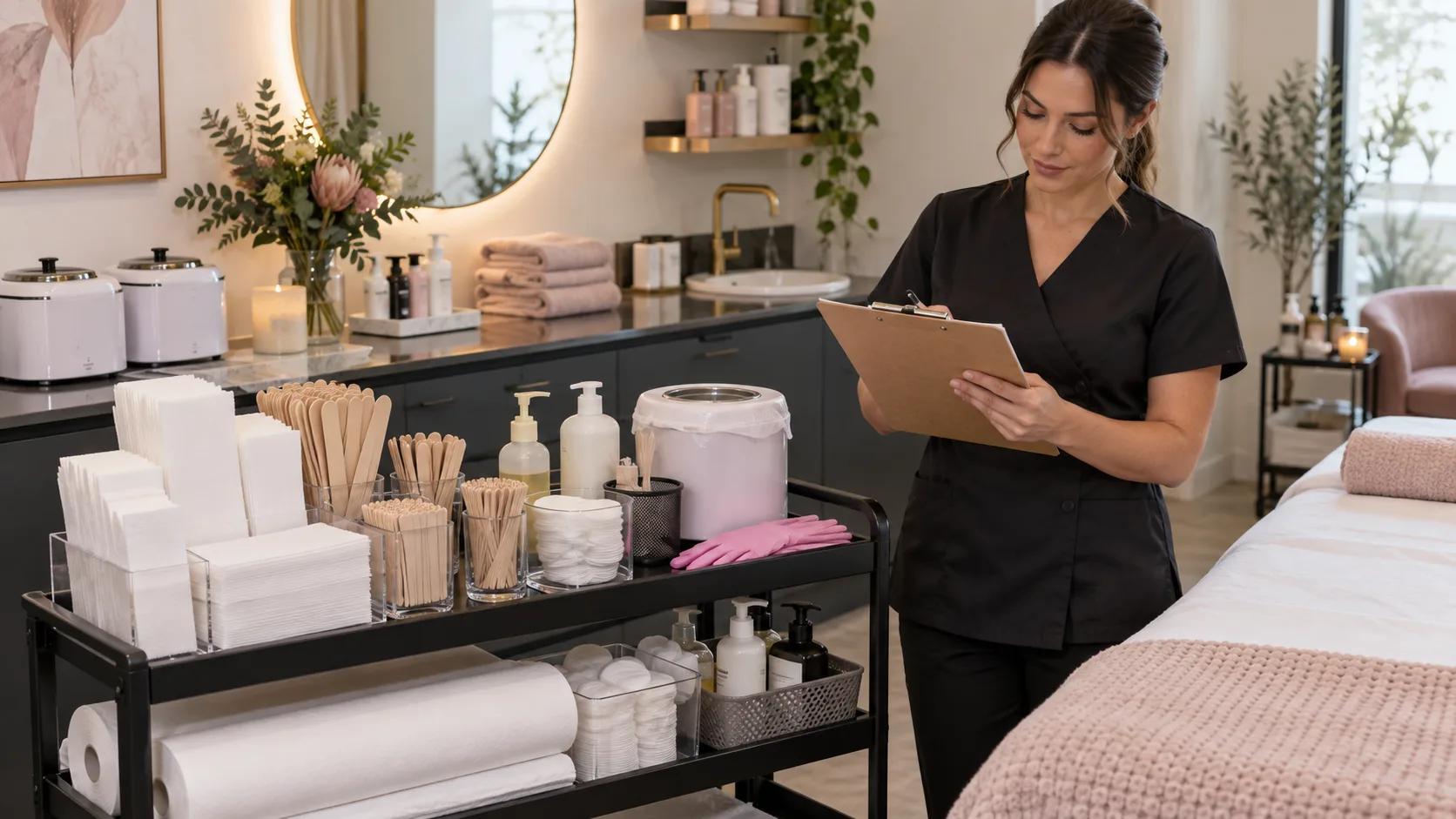
The quick stocktake
Check eleven groups before the next busy week: waxing strips, general wooden spatulas, precision spatulas, heater collars, pre-wax cleanser, pre-wax oil, after-wax oil, after-wax lotion, correctly sized gloves, bed roll and cotton pads. Do not simply buy one of everything. Match each consumable to the salon’s approved products and services, then set a reorder point from actual use, delivery time and forward bookings.
Why waxing consumables disappear faster than expected
A wax pot looks important, so someone notices when it is getting low. A box of strips, three spatula sizes and half a roll of couch paper look less urgent—until a fully booked Saturday exposes the gap. Consumables are distributed across the trolley, treatment room, storeroom and reception retail shelf. Staff may open a second pack without recording it, move stock between rooms or use different quantities for the same service.
The solution is not a huge “just in case” order. Excess stock ties up cash, occupies clean storage and can expire or become obsolete when the salon changes products. A useful system connects every item to a service, a normal usage rate, a supplier lead time and a named reorder point. It also separates treatment-critical stock from optional retail or convenience items.
The examples below were verified in the live National Salon Supplies catalogue on 18 September 2026. They demonstrate each consumable type, not a claim that every salon needs that exact brand or pack. Check live availability, pack size, directions and compatibility before ordering.
1. Non-woven waxing strips
Strip-wax services cannot proceed without a compatible removal strip. Count sealed packs and the usable balance in each room. Do not estimate by looking at the height of an open stack: the difference between fifty and fifteen strips can be difficult to see when the appointment book is busy.
Track consumption by service family. A full-leg appointment and a small facial service have different strip requirements, while hot or stripless wax may not use strips at all. The reorder formula should reflect the actual mix of appointments. Confirm that the strip material and dimensions suit the salon’s approved wax and trained method.
2. General wooden spatulas
Disposable applicators are easy to underestimate because they are used one at a time. A salon following a no-double-dipping process may use many fresh applicators in one appointment. Count by box or bundle, then observe ordinary services to establish a realistic usage range.
Stock sizes with a defined purpose. A broad applicator may suit one trained application, while a smaller size supports more controlled work. Do not keep an unidentified mix in one open container. Separate sizes, protect clean stock and ensure staff can select without handling unused pieces unnecessarily.
3. Precision eyebrow and facial spatulas
Precision applicators deserve their own stock line rather than being hidden inside “spatulas”. They support trained detail work where the general body applicator may not offer the required control. Because fewer are used each day, teams often forget them until the last packet is open.
Set a minimum sealed-pack quantity and review it against facial-wax bookings. Do not improvise by breaking or reshaping a general applicator. Use the product and size named in the salon’s documented protocol, with a fresh applicator in line with the workplace’s contamination controls.
4. Protective heater collars
Collars help protect the outside of a compatible heater setup from drips, but they are often treated as permanent equipment rather than replaceable stock. Count them alongside wax rather than cleaning supplies. Confirm the collar fits the exact container and heater; a similar diameter is not proof of compatibility.
A collar does not replace safe handling or equipment cleaning. Follow the heater and wax directions, keep controls and leads clear, and replace a collar according to the salon process when it is soiled or no longer serviceable. Include collar use in costing if the protocol allocates one per container or change.
5. Pre-wax skin cleanser
Preparation products can run out quietly because several treatment rooms draw from one storeroom bottle. Record both backbar containers and the unopened reserve. Use only the cleanser specified by the approved treatment system and follow current instructions for application, contraindications and storage.
Measure use by controlled dispensing rather than guessing. Excess product increases cost and may make the workflow inconsistent; too little may not complete the instructed preparation step. Staff should not replace a dedicated pre-wax cleanser with an unrelated skincare product during a stockout.
6. Pre-wax oil
Pre-wax oil belongs in the count only where the exact wax protocol calls for it. It is not a universal preparation step, and more is not better. Track the specific bottle used with each approved system and make the directions accessible at the station.
A low-volume item still needs a reorder point. Use an opening date, monitor the dispensing rate and keep the reserve within its storage and shelf-life limits. If switching wax brands or formulas, reassess the preparation system instead of assuming the existing oil carries across.
7. After-wax oil or residue-removal product
After-wax oil may form part of the finishing or residue-management process for an approved product. It is easy to confuse with pre-wax oil when bottles or labels look similar, so separate them physically and in the stock sheet. Name the exact item rather than recording a generic “oil”.
Observe how it is dispensed and what supporting pads or wipes are used. That links two stock lines and explains why cotton pads can fall unexpectedly. Do not substitute an unrelated oil based on texture alone; check intended use and current directions.
8. After-wax soothing lotion
A lotion used at the end of a service affects both stock cost and the consistency of the client experience. Record backbar and retail sizes separately. If the salon also sells homecare, prevent treatment-room staff from borrowing retail stock without transferring it in the inventory system.
A product name containing words such as soothing does not guarantee a result for every client. Use careful consultation, follow directions and avoid unsupported treatment promises. The reorder decision is operational: does the approved protocol require it, how much is normally used, and when must the replacement arrive?
9. Correctly sized disposable gloves
“One box of gloves” is not a meaningful stock count when the team needs different sizes. Record each size separately, keep boxes dry and accessible, and set the buffer from the staff roster as well as appointment volume. A room full of medium gloves does not solve a shortage of small or large.
Choose gloves and change them according to the salon’s risk assessment, applicable requirements and current training. This article does not prescribe when gloves are required for every task. It does recommend treating the approved PPE as service-critical stock, not a general storeroom afterthought.
10. Disposable bed roll
Bed roll can look plentiful until several rooms replace it throughout a busy day. Count unopened rolls, measure typical changes and note the usable width required by the treatment bed. Confirm the chosen product suits the workplace’s room-reset process.
Disposable covering is only one element of environmental cleaning. It does not make a surface clean by itself or replace the applicable cleaning procedure. Store rolls away from splash and used items, and avoid opening more rolls than the room needs.
11. Cotton pads, gauze or approved wipes
Small absorbent items support preparation, dispensing or cleanup steps and often serve several departments. Shared use makes demand harder to see. Give waxing its own par level or clearly allocate central stock so one busy facial or nail week does not empty the waxing trolley.
Select the format required by the actual product directions and task. Cotton pads, gauze and generic wipes are not automatically interchangeable. Consider lint, size, absorbency, single-use handling and compatibility with the product being applied.
A practical consumables decision table
| Stock family | Main demand driver | Common counting mistake |
|---|---|---|
| Strips and applicators | Service type, area and no-double-dipping workflow | Counting open containers by appearance |
| Preparation products | Approved protocol and dispensing quantity | Combining cleanser and oil as one line |
| Finishing products | Service volume, bottle format and retail separation | Borrowing retail stock without transfer |
| PPE | Appointment volume, task controls and staff sizes | Counting all glove sizes together |
| Room-reset items | Rooms in use and change frequency | Ignoring partially used rolls across rooms |
| Small pads and wipes | Shared departmental use and steps per service | Assuming central supply will always have stock |
How to calculate a salon reorder point
Start with average daily use for one stock item. Multiply it by the normal supplier lead time in days. Add a modest safety quantity for realistic delivery or demand variation. The result is the stock level that should trigger an order—not the amount to order.
Reorder point = average daily use × lead-time days + safety stock. If a salon uses forty strips on a typical open day, replacement normally takes four days and the agreed buffer is eighty strips, the reorder point is 240 strips. Use your own measured figures; the example is not a recommendation.
Then calculate order quantity from the target maximum minus usable stock already on hand and confirmed inbound stock. Check pack multiples, storage and cash flow. Recalculate after seasonal changes, promotions, new therapists or service-menu changes.
Run a 15-minute weekly waxing stocktake
- Print or open one list arranged in the same order as the shelves.
- Count sealed packs first, then estimate or count usable open stock consistently.
- Check treatment rooms, trolleys, storeroom and any reception stock.
- Record stock by exact item, format and size—not only brand.
- Compare forward bookings through the expected delivery date.
- Flag anything below its reorder point and any unusual jump in use.
- Check open dates, expiry information, packaging integrity and storage.
- Create one consolidated order and have a second person review critical lines.
- When stock arrives, check it against the order before putting it away.
Keep the process short enough to repeat. A beautifully designed monthly spreadsheet cannot protect a busy Saturday if nobody updates it. Assign one owner and one backup, while making therapists responsible for reporting when they open the reserve pack.
Storage, rotation and emergency substitution
Use first-expiring, first-out rotation where relevant, while following each product’s storage instructions. Keep clean consumables protected from used items, splashes, heat and direct sunlight as applicable. Label shelf positions so new deliveries do not hide older stock at the back.
If an item reaches zero, pause before substituting. Check whether the alternative is designed for the exact service, compatible with the wax or equipment and covered by staff training. Similar appearance is not evidence. Update the protocol if the change becomes permanent.
For treatment-critical lines, name an approved substitute during planning rather than during an appointment. Record its supplier, lead time and any different directions. If no verified substitute exists, the honest response may be to stop offering that service until stock arrives.
Turn stock differences into useful management information
Compare the expected closing quantity with the physical count. A small difference is not automatically theft or poor practice; it may reveal that the original service-use estimate was unrealistic, a pack quantity was entered incorrectly, stock moved rooms without a transfer, or damaged items were discarded without being recorded. Investigate the process before blaming a person.
Look for repeated patterns by item. If wooden applicator use is consistently above plan, observe whether the approved contamination-control method simply requires more than the costing sheet allows. If pre-wax cleanser use varies sharply between therapists, compare dispensing and training. If bed roll consumption doubles, check whether another department is drawing from the same shelf. The goal is to make the stock model reflect safe, ordinary practice—not to pressure staff into using fewer disposables than the protocol requires.
Record three numbers for each item: physical quantity, quantity already on order and usable days remaining at the current booking pace. This prevents a reassuring incoming order from hiding the fact that it will arrive after stock runs out. It also stops duplicate orders when a delivery is already in transit.
Plan around promotions, leave and seasonal demand
Historical averages need context. A waxing promotion, pre-holiday booking surge, new therapist, extended trading hours or staff leave can change both consumption and the number of people available to receive deliveries. Review the appointment book through the supplier’s realistic delivery window and add known demand instead of applying a vague percentage buffer.
Likewise, reduce orders deliberately when the salon shortens trading hours, removes a service or changes its approved system. Reordering last month’s quantity by habit can create slow-moving stock that later expires. Note one-off events on the stock sheet so unusual use does not distort the next average.
A quarterly review should compare purchased quantities, completed services and discarded stock. The figures do not need to be perfect to reveal duplicated lines, oversized pack choices or products without a clear role. Use the review to adjust par levels and service costing, while keeping the weekly stocktake focused on immediate continuity.
Current products to investigate
These examples were live when checked on 18 September 2026. They are not a universal shopping list. Select only items supported by the salon’s services, products, equipment, professional training and applicable procedures.
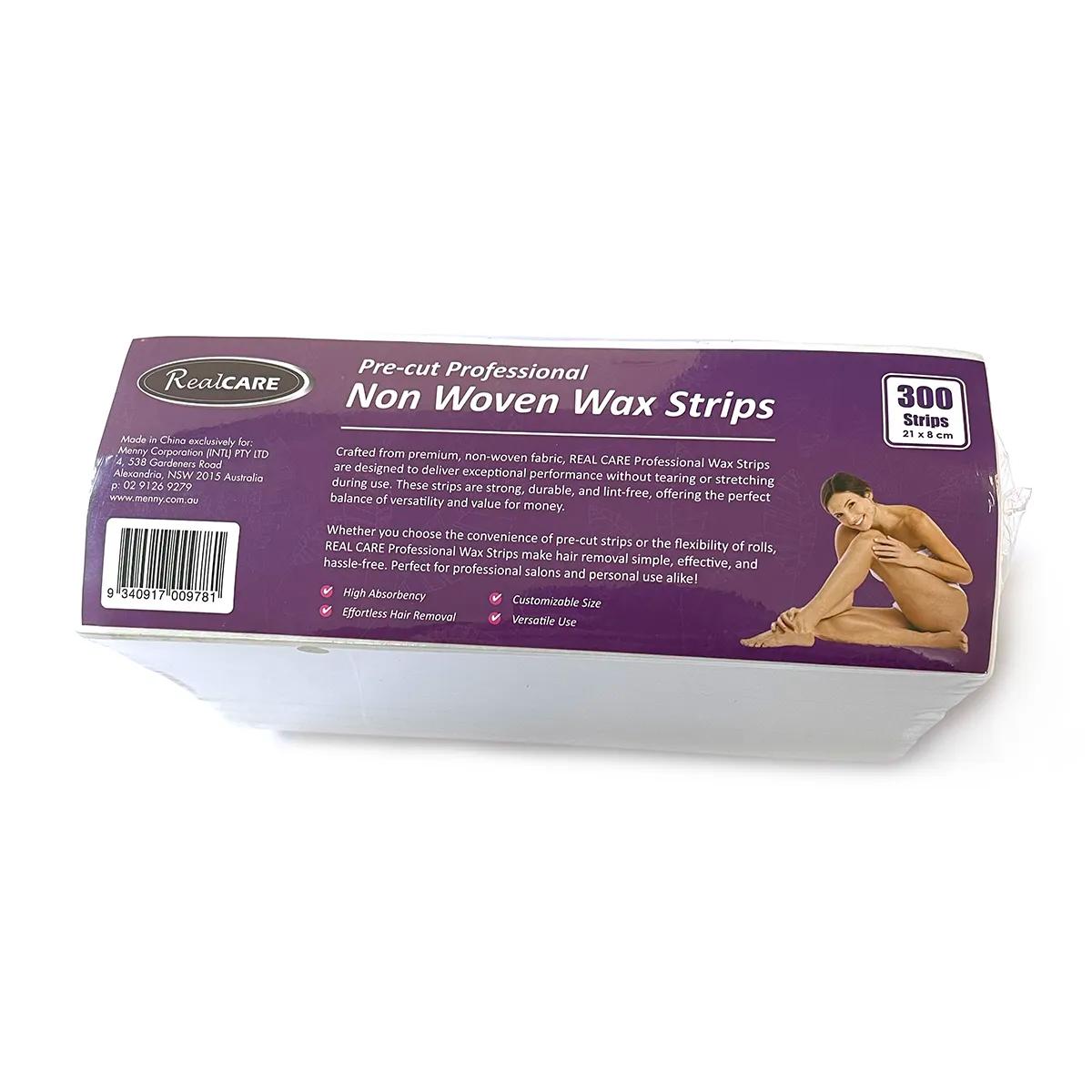
1. Removal
Real Care Non Woven Wax Strips 300pk
A pre-cut strip example for suitable strip-wax services.
Check current details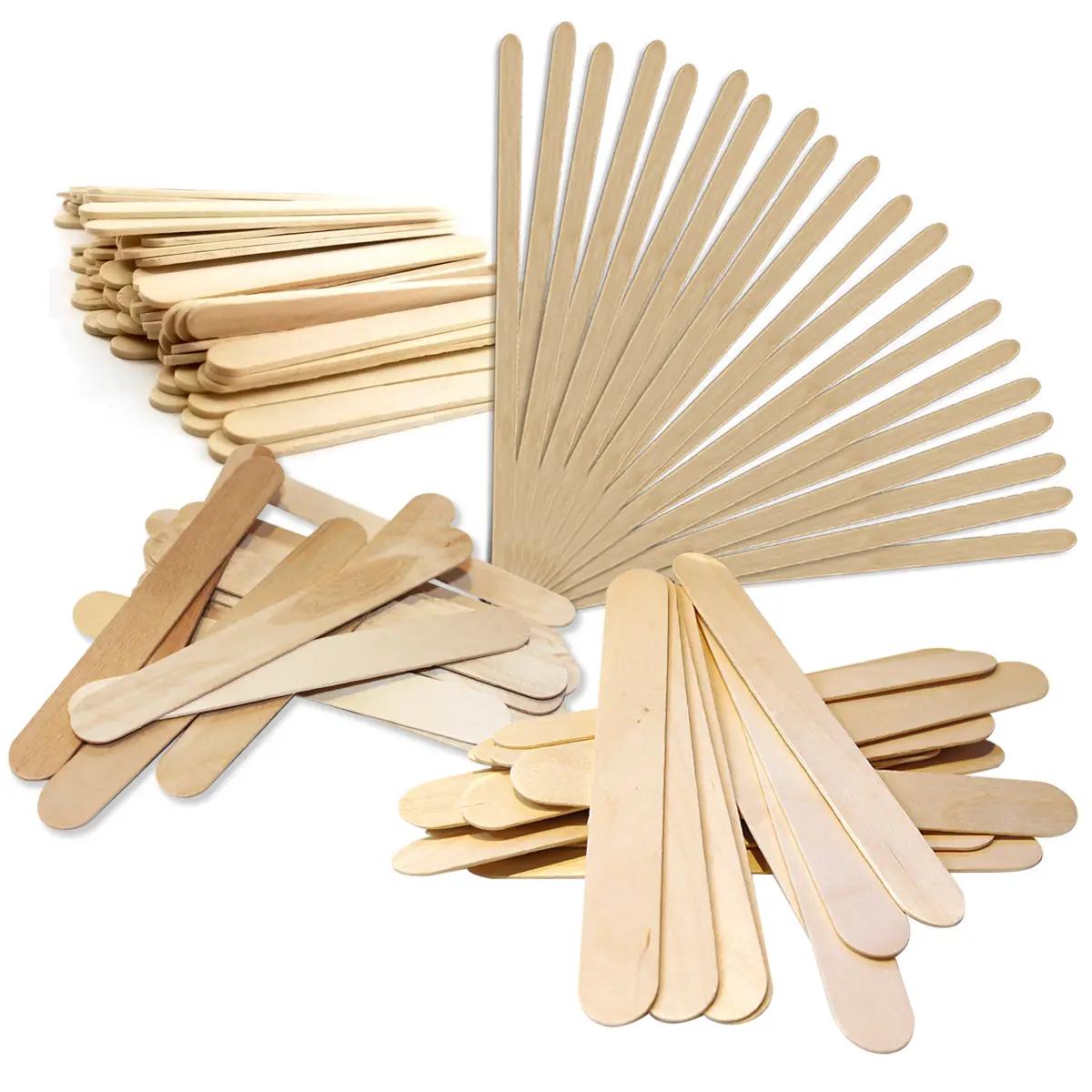
2. Application
Wooden Spatulas
A current range of disposable wooden applicator sizes.
Check current details
3. Precision
Depileve Precision Eyebrow Shaping Spatulas 100pk
A precision applicator example for trained detail work.
Check current details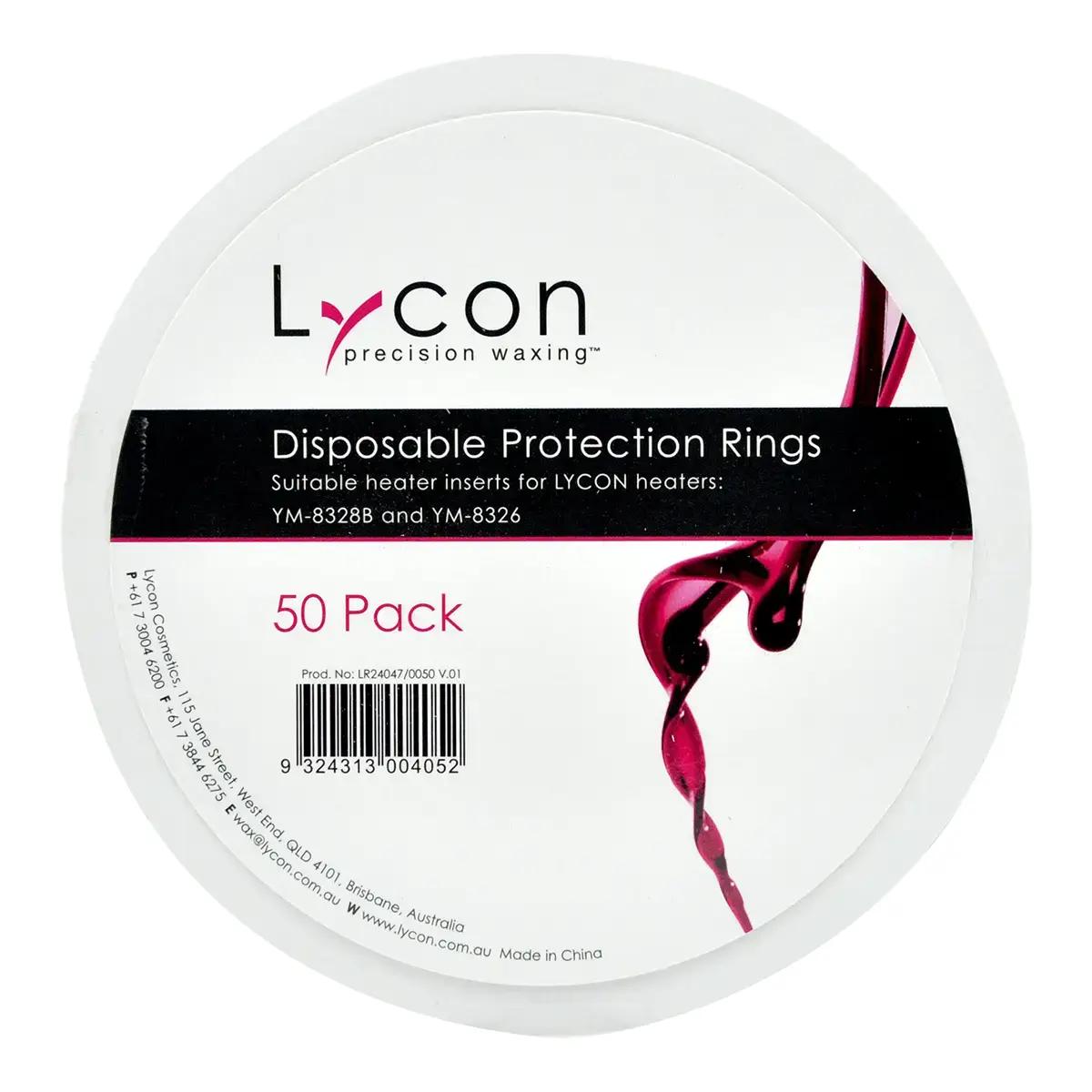
4. Heater protection
Lycon Protective Cardboard Collars 50pk
A protective collar example; confirm it fits the exact heater and container setup.
Check current details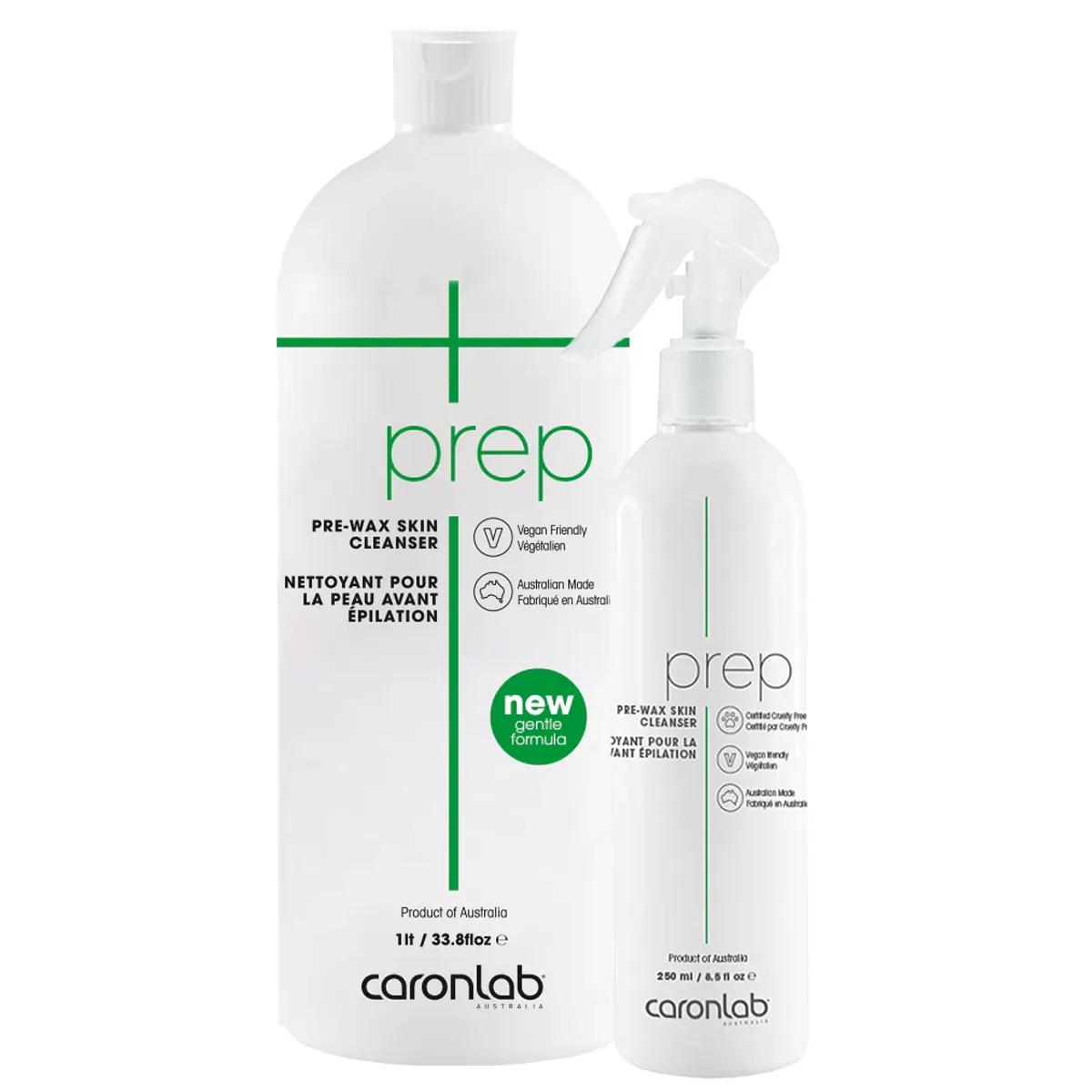
5. Preparation
Caronlab Prep Pre Wax Skin Cleanser
A current pre-wax cleanser option in the professional catalogue.
Check current details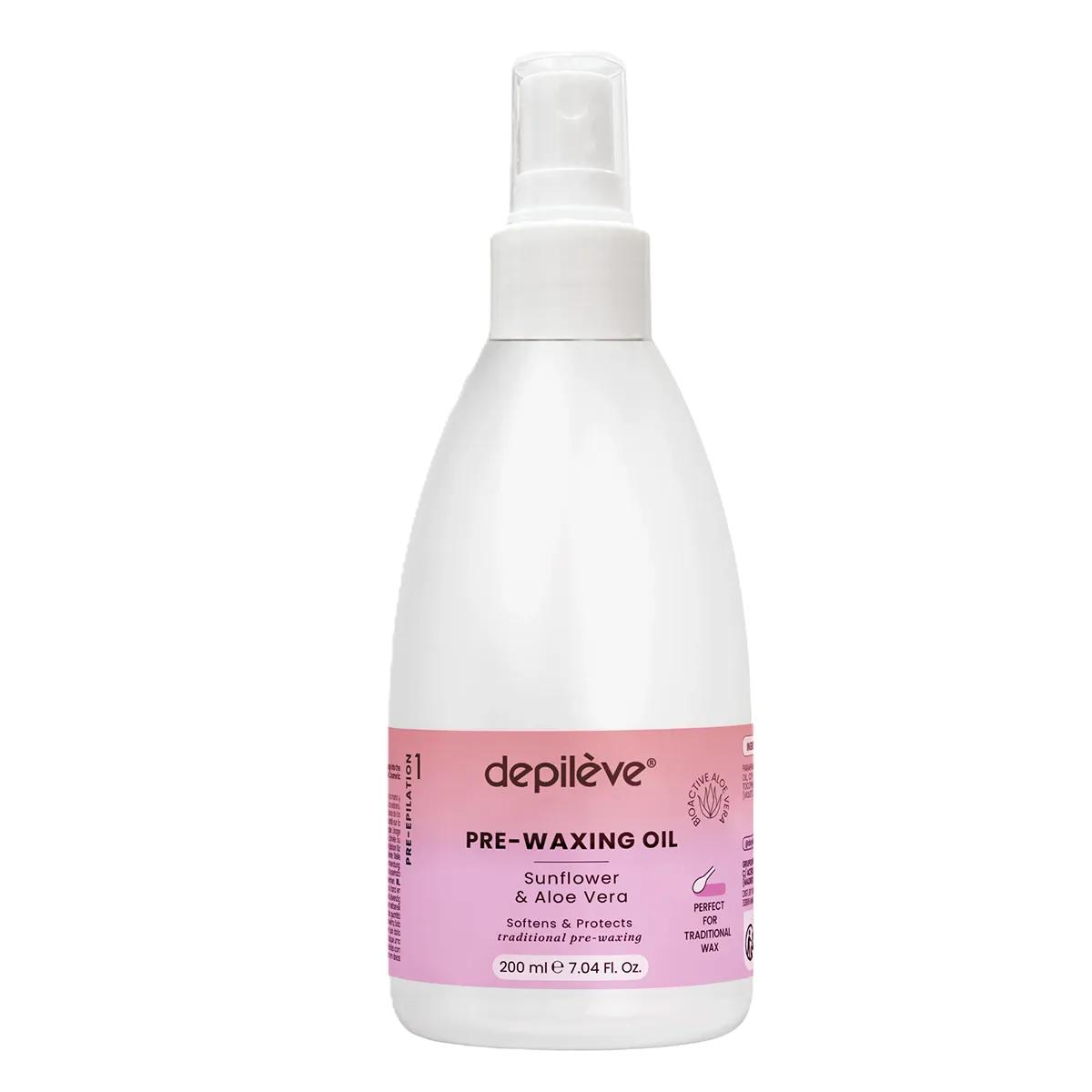
6. Preparation
Depileve Pre Waxing Oil 200ml
A pre-wax oil example to use only where the product and wax protocol direct.
Check current details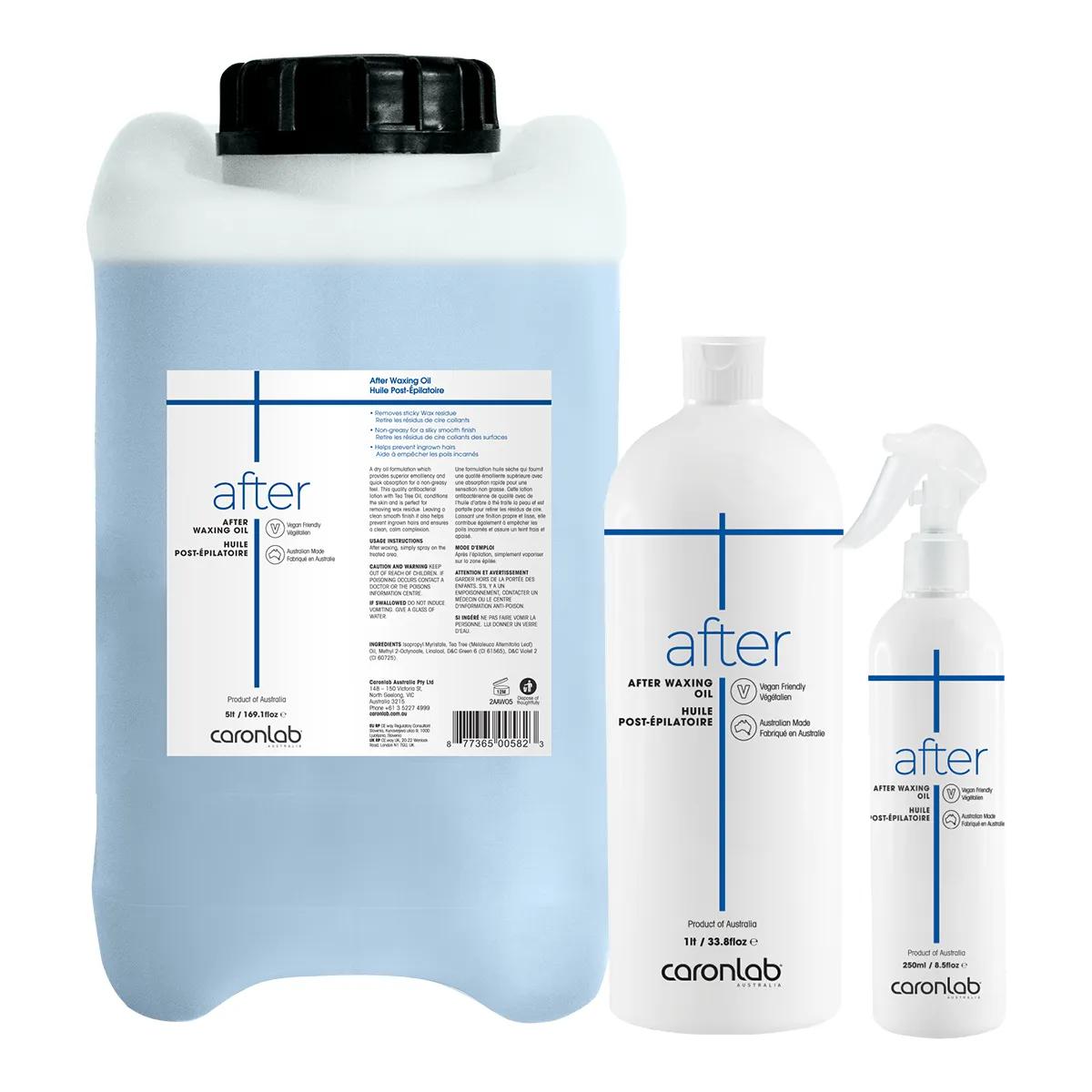
7. Finish
Caronlab After Waxing Oil
A current after-wax oil option for an approved finishing protocol.
Check current details
8. Finish
Caronlab Soothe After Wax Soothing Lotion Tea Tree
A current lotion option; confirm suitability and directions for each service.
Check current details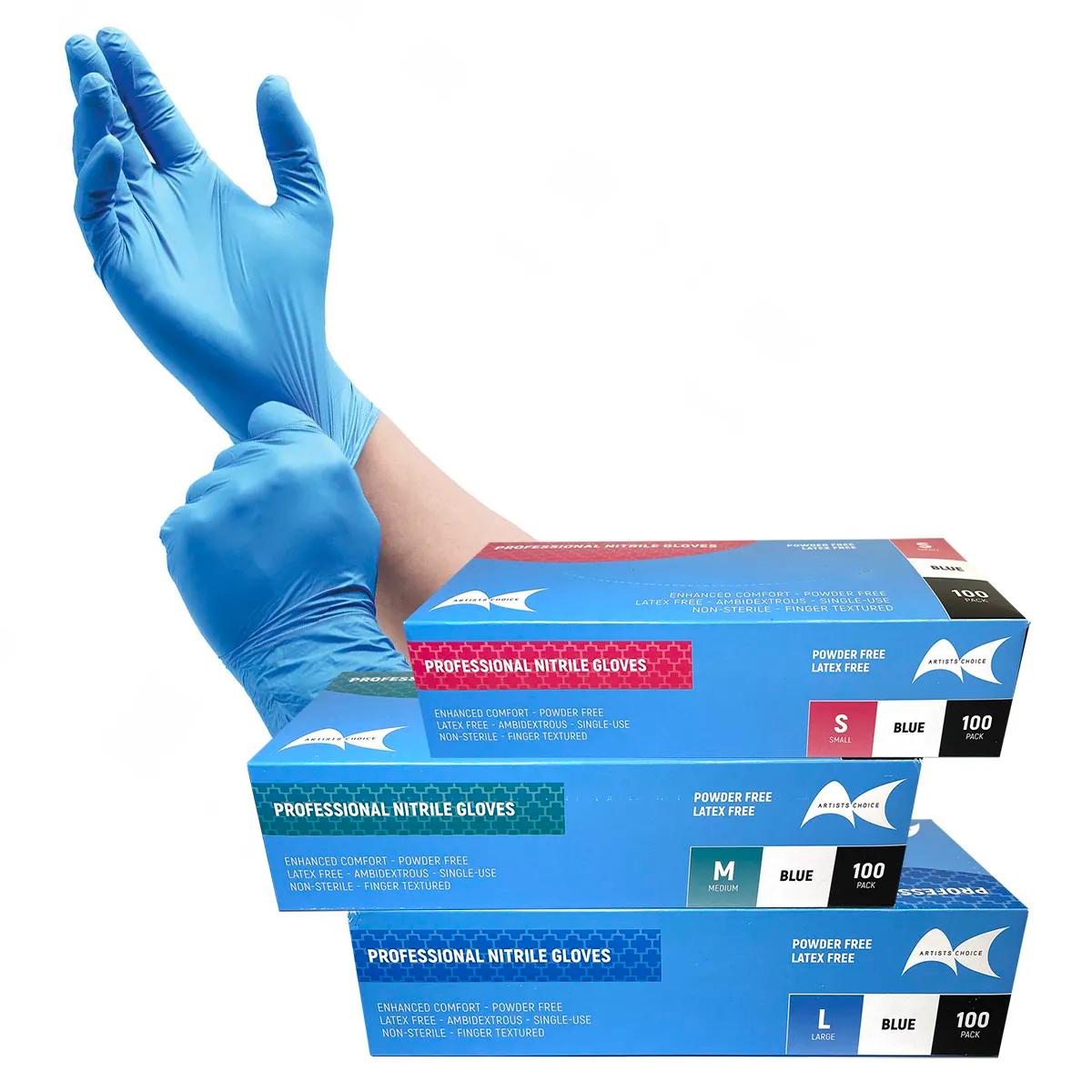
9. PPE
Artist Choice Nitrile Powder Free Gloves Blue 100pk
A current powder-free nitrile glove example available in multiple sizes.
Check current details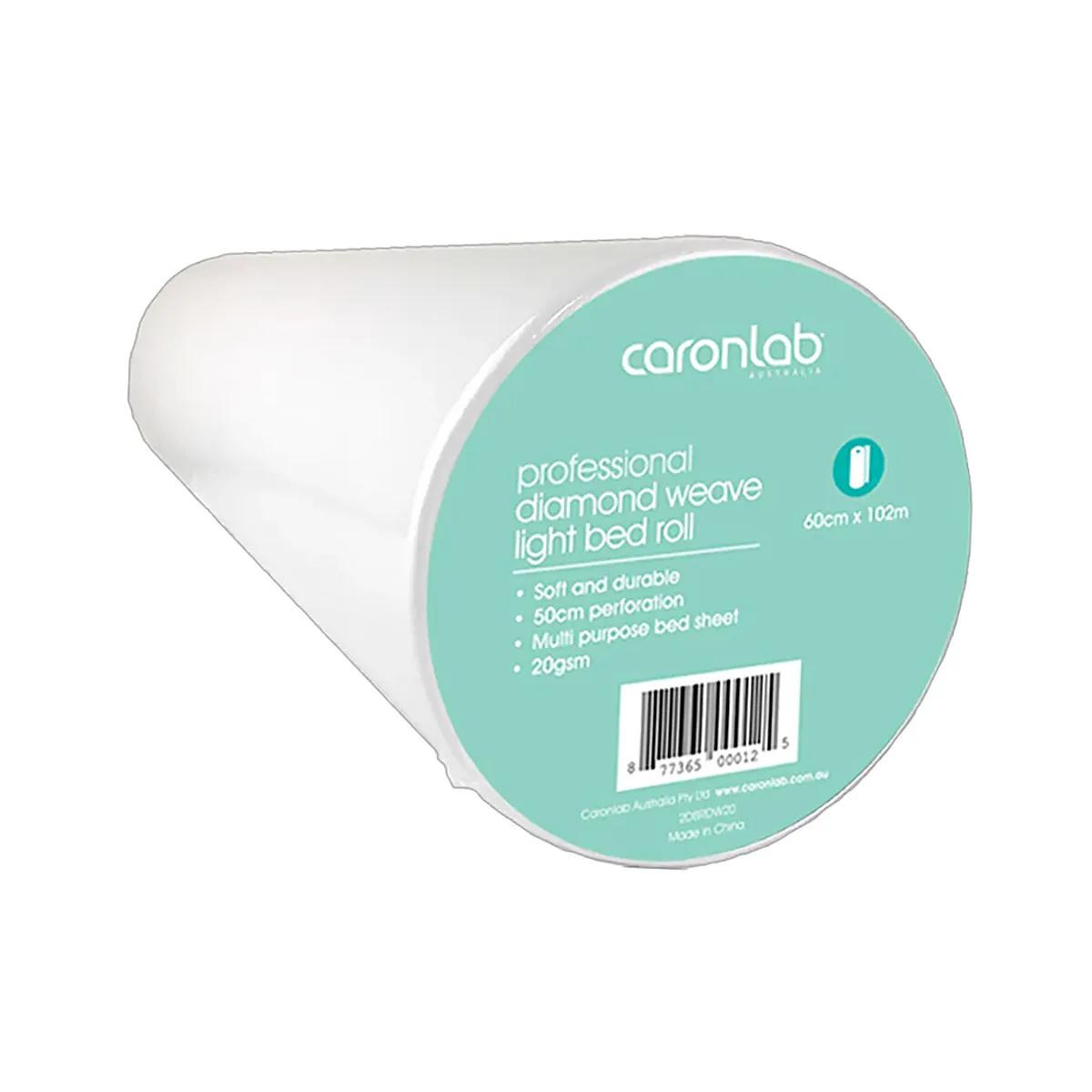
10. Room reset
Caronlab Diamond Weave Light Bed Roll 60cm x 102m
A current disposable bed-roll example for applicable room-reset procedures.
Check current details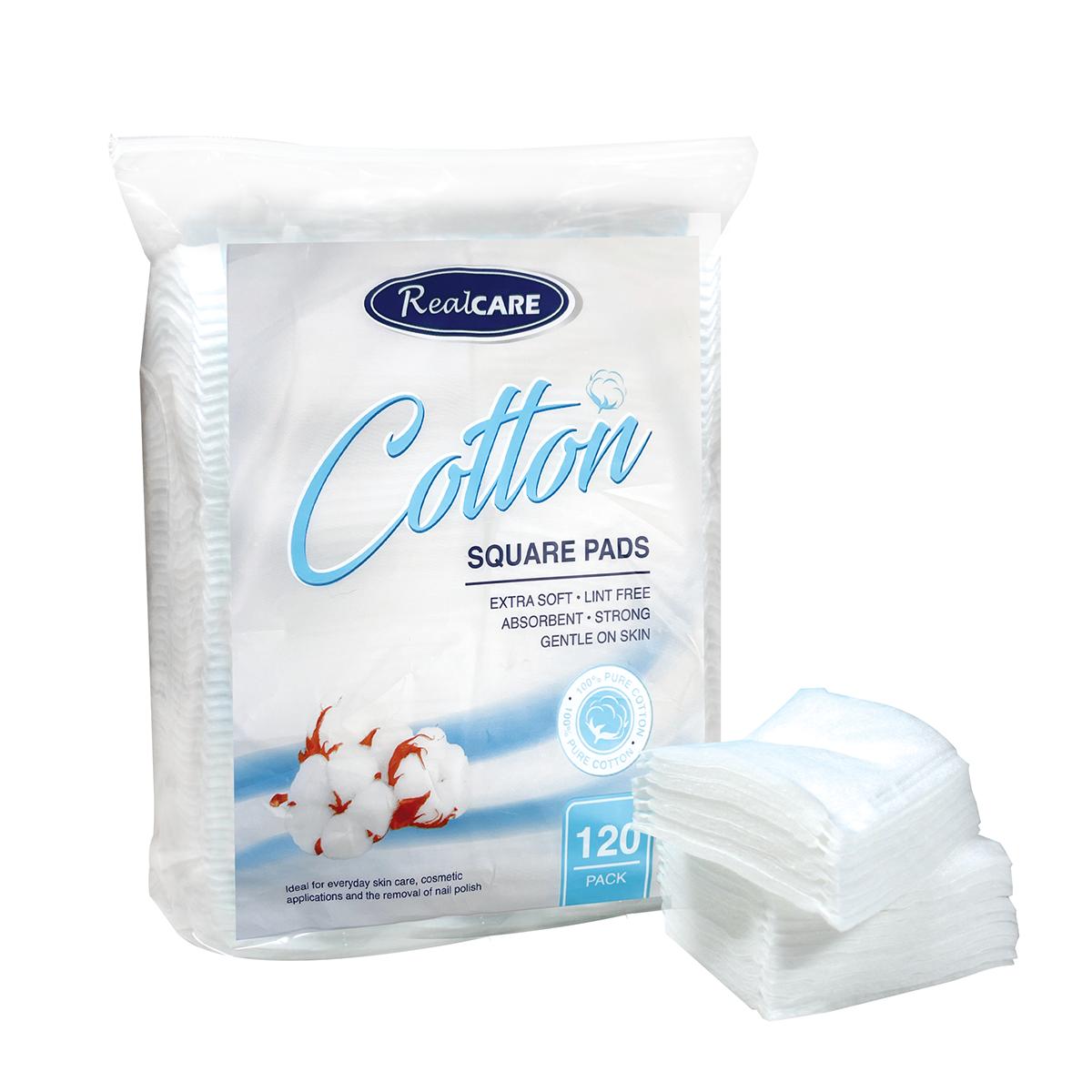
11. Preparation and cleanup
Real Care Square Cotton Pads 120pk
A current cotton-pad option for appropriate product application or cleanup steps.
Check current details
Final recommendation
Build the stock sheet around the treatment protocol, not the supplier catalogue. Give each strip, applicator, collar, lotion, glove size, bed roll and pad a clear service role. Measure ordinary use, set a reorder point, count weekly and review forward bookings before ordering.
Keep the range deliberately small. Bulk-buy only when usage, shelf life, storage and cash flow support it. Most importantly, do not let an empty box force an unverified substitution. Reliable consumable control protects appointment continuity and makes the true cost of waxing services easier to understand.
Complete the next waxing order
Check current formats, directions and availability on National Salon Supplies.
Frequently asked questions
How often should a salon count waxing consumables?
Count fast-moving treatment-critical items at least weekly and before known busy periods. Compare physical stock with bookings and average use rather than relying only on software quantities.
How much safety stock should a waxing salon hold?
There is no universal quantity. Set a reorder point from average daily use, supplier lead time, delivery variability, booking demand and a modest buffer. Review it when service volume or supply conditions change.
Should salons buy waxing consumables in bulk?
Bulk purchasing can lower order frequency, but only when the salon can rotate stock before expiry, store it correctly and avoid tying up excessive cash. Compare total use and storage capacity, not unit price alone.
Can salons substitute strips, spatulas or lotions when stock runs out?
Do not assume similar-looking items are interchangeable. Confirm the substitute suits the exact product, equipment and service, check current directions, and train staff before changing the protocol.