Professional facial room buying guide · Australia
Professional Facial Treatment Room Equipment Guide
Plan the room as one working system—from bed, stool, light and storage to optional steam, towel warming, utilities, reset, maintenance and the real cost of ownership.
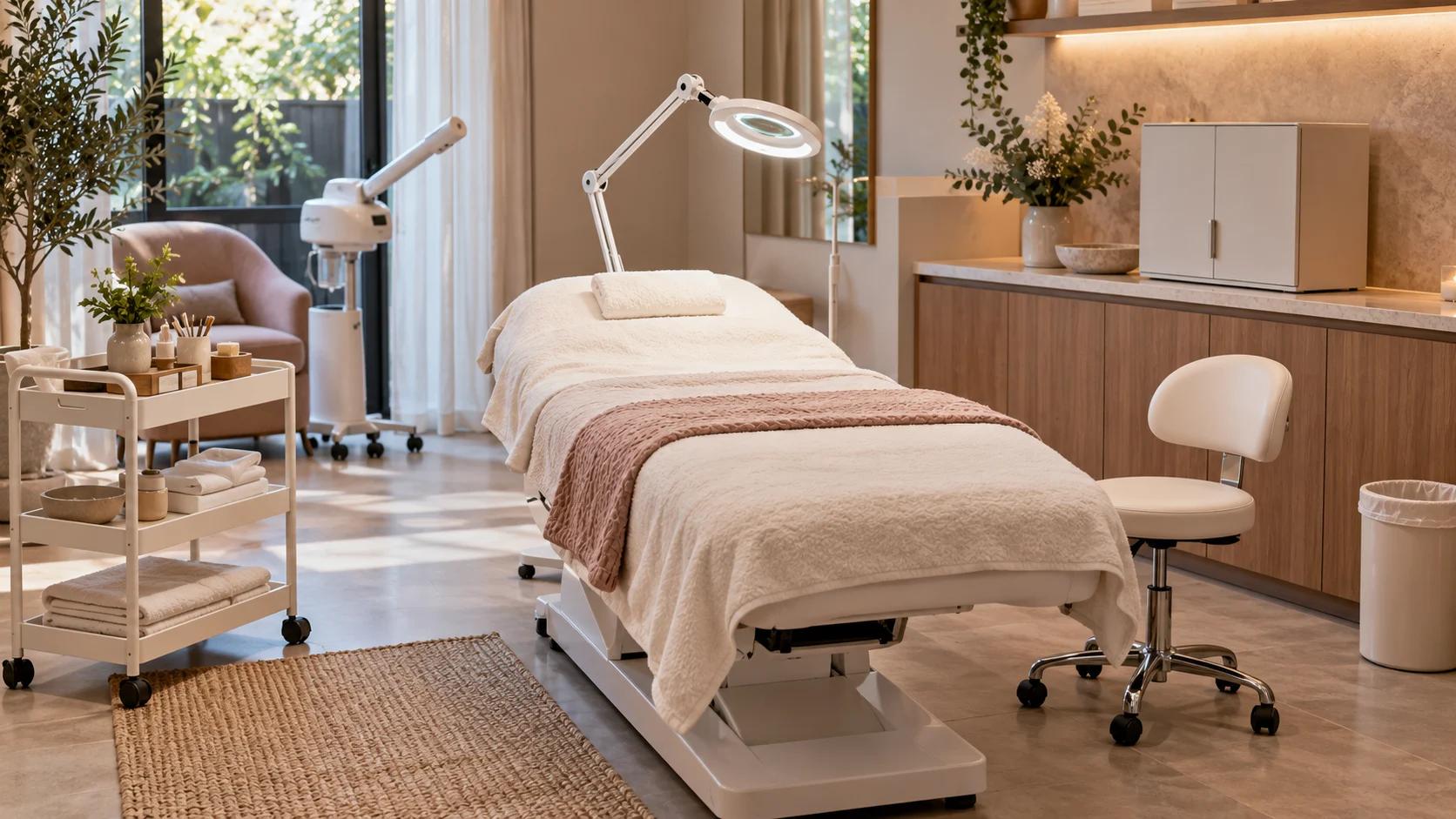
The equipment priority order
Build the room from the service menu outward. First solve safe access, client positioning, therapist seating, task lighting, handwashing, protected storage, linen, waste and between-client reset. Then add service-specific powered equipment only when the team has the required training, current protocols, room capacity, maintenance plan and realistic booking demand. An impressive machine does not repair a poor room layout.
Professional facial treatment room equipment starts with a floor plan
The most expensive object in a facial room is not necessarily the most important. A dependable treatment begins with enough space for the therapist to work, a bed that suits the planned services, appropriate seating, controlled lighting, protected clean stock, a place for used items and a reset that can be completed between clients. Machines are additions to that foundation.
Write the initial service menu before building a shopping list. A relaxation facial, manual results-focused facial and a service using powered equipment have different training, consultation, room, utility, maintenance and booking needs. Buying a machine first can lock the salon into a service it has not fully costed or cannot operate comfortably.
This guide is a purchasing and workflow framework, not clinical, electrical, building or legal advice. Verify equipment instructions, installation information, professional training, insurance conditions and applicable Australian requirements for the actual premises and service. The named products were live in the National Salon Supplies catalogue on 9 October 2026.
1. Translate the facial menu into equipment functions
List every treatment step in order: consultation, preparation, cleansing, skin assessment within professional scope, exfoliation, massage where offered, mask, finishing products, aftercare, records and room reset. For each step, identify the function the room must support. Do not name a product yet.
Functions may include adjustable client positioning, seated therapist access, neutral task lighting, magnified viewing, stable product preparation, warm-towel storage, service-specific steam, protected linen, mixing and application tools, handwashing, waste and secure records. This prevents the shopping list from becoming a catalogue of attractive devices without an operational role.
Mark functions as core, service-specific or future. A suitable bed and light may be core. A facial steamer is service-specific. A device for a menu that will not launch for six months is future. Budget and floor space should follow that order.
2. Measure the real room before buying furniture
Draw the room to scale. Record wall lengths, ceiling height, doors and their swing, windows, sinks, fixed cabinetry, power points, plumbing, ventilation, heating and cooling, lighting controls and storage. Note any threshold or narrow turn on the delivery route as well as the final room.
Place the proposed bed footprint in the plan at its widest and longest working configuration, not only its closed catalogue dimensions. Add the therapist stool, trolley, magnifying lamp base, steamer, cabinet access, cords and the space required to move around the client. Keep access to doors and required facilities clear.
Use cardboard, removable tape or a paper template to test major footprints before ordering. Have each therapist simulate setup, treatment movement and reset. If the trolley can reach the bed only when the door is blocked, the design is not ready.
3. Choose the treatment bed as the room anchor
Compare the bed against the services, client positioning, therapist access and room. Review current dimensions, height range, adjustment method, sections, controls, upholstery, load information, power and installation details on the exact live listing. Do not assume every “beauty bed” supports the same uses.
An electric bed may let the therapist adjust position without asking the client to move repeatedly, but it introduces power, cord routing, maintenance and downtime planning. A manual bed may have a different purchase and operating profile. The decision should reflect bookings, team needs and room constraints rather than a broad claim that one type is always more professional.
Allow for head support, linen and accessories without hiding controls, pinch areas or moving sections. Train staff on adjustment and inspection. A treatment bed should never be used as a storage shelf between appointments.
4. Select therapist seating with the bed
Test stool and bed height as a pair. The therapist should be able to approach the client without repeatedly lifting shoulders, bending the neck excessively, twisting or reaching across the bed. One stool may not suit every body or every treatment stage.
Compare seat shape, height adjustment, base footprint, wheels, back support where offered and surface maintenance. A saddle and flat stool create different working positions; neither is universally correct. Let trained staff trial the setup where possible instead of choosing from appearance alone.
Check whether the stool base collides with the bed base or trolley. Keep wheels and adjustment mechanisms in the inspection schedule. Do not compensate for a poor fit by working from the edge of the seat or locking the body into one posture for a long appointment.
5. Build task lighting in layers
Ambient lighting creates the room mood; task lighting supports the therapist’s view. Plan both. A magnifying lamp can assist close visual work within training, but it must have a stable base or suitable clamp, an appropriate reach and a home where its arm does not block movement.
Review current magnification, lens, light source, controls, cable and stand details. Position the lamp so it can be moved without crossing the client’s face unexpectedly. Train staff to park it safely when not in use and keep the lens protected and maintained according to directions.
Check skin and product appearance under consistent, neutral task light rather than relying only on a warm decorative pendant. Photography, where consented and appropriate, also needs repeatable lighting if images are intended to support factual records.
6. Use trolley and cabinetry for clean-to-used flow
The trolley holds the small selection needed for the booked service. Closed cabinetry holds protected bulk stock. Do not ask a mobile trolley to carry every retail product, machine accessory, linen pack and cleaning item in the business.
Divide the immediate workflow into protected clean stock, current-service items, used reusable items and waste. Keep bulk cotton, gauze, sponges, brushes and applicators away from the active zone. Issue a controlled working quantity before the appointment and replenish only during the reset.
Choose trolley surfaces and containers the salon can maintain. Test whether shelves and drawers remain accessible beside the bed. Avoid unstable bottles at edges and keep cords, water and powered equipment separated according to product directions and room planning.
7. Treat facial steamers as optional protocol equipment
A facial steamer is not mandatory for every facial or every client. Its use should come from the exact professional protocol, client assessment, training and current manufacturer instructions. Do not advertise steam as universally “opening pores”, detoxifying or suitable for all skin presentations.
Before purchase, review the unit’s footprint, nozzle reach, water requirements, fill and empty process, warm-up and cooldown, cleaning, maintenance, electrical needs and safe parking position. Ensure the therapist can operate it without reaching over the client or moving a hot or filled unit through a narrow path.
Develop a written pre-use and shutdown check. Use only the water and additives, if any, supported by the manufacturer. Do not improvise aromatherapy or other additions. Record maintenance and remove the unit from service if it is damaged, leaking or behaving unexpectedly.
8. Understand what a hot-towel cabinet does—and does not do
A towel cabinet can support a warm-towel service experience when used according to its instructions. It does not prove that tools or towels have completed whatever cleaning, disinfection or sterilisation process a service may require. Marketing language such as “UV” should never replace a reviewed infection-control workflow.
Check capacity against appointments, cabinet footprint, door clearance, electrical needs, temperature behaviour, water or condensation management, loading instructions and cleaning. Position it on a stable suitable surface away from client reach and materials affected by heat or moisture.
Use a stock rotation and preparation routine so towels are not left indefinitely. Staff should know how to handle temperature safely, how the cabinet is cleaned and when it must be emptied or taken out of service. Keep records if required by the salon procedure or equipment plan.
9. Plan linen, bed protection and laundry
Decide what touches the bed and client for each service: fitted covers, towels, blankets, head support and disposable protection where used. Confirm sizes after selecting the bed. Linen that is too small, too bulky or obstructs moving parts creates new problems.
Create separate protected storage for clean linen and an immediate destination for used linen. Do not store clean towels on an open lower trolley shelf beside waste or used tools. Map collection, transport, laundering, drying and return to clean storage as one complete process.
A disposable bed roll may simplify one part of turnover but does not replace bed-surface cleaning or the rest of the linen workflow. Cost the real use per service, waste handling and compatible width rather than buying solely by roll length.
10. Choose bowls, brushes and small tools deliberately
Small accessories shape the daily service more than their purchase price suggests. Select bowls, spatulas, mask brushes, sponges and applicators for the exact products and protocol. Keep reusable and single-use categories unmistakable.
Reusable mask brushes require a documented cleaning, inspection, drying and protected-storage process suitable for their material and intended use. Replace items that are damaged, shedding, cracked or can no longer be adequately maintained. Single-use items should be issued from protected bulk stock and discarded after use.
Avoid keeping a communal open jar of miscellaneous brushes. Label tool sets or service modules and provide a clear used-item destination so nothing returns to the clean tray during treatment.
11. Map water, handwashing, power and ventilation
Utilities determine whether the room works. Review access to handwashing and water under applicable requirements and salon procedure. If water must be carried, assess the real spill, lifting and workflow implications rather than treating a decorative basin as equivalent to an installed facility.
Count powered items at peak use: bed, lamp, steamer, towel cabinet and any other trained equipment. Ask an appropriately qualified person to assess electrical work or installation where necessary. Do not daisy-chain adaptors, route cords through wet zones or conceal overloaded outlets behind furniture.
Consider heat, moisture, scent and ventilation generated by actual services and equipment. A small closed room can behave differently after consecutive bookings. Heating and cooling should support a stable, comfortable working environment without directing airflow across active products or the client.
12. Design the between-client reset before opening
- Complete the factual treatment record and aftercare process.
- Move used reusable tools to their identified destination.
- Dispose of single-use items and waste under the salon process.
- Separate and contain used linen without crossing clean storage.
- Remove remaining service products and close or store them as directed.
- Clean the bed, trolley, stool, lamp handles and other contact surfaces under the reviewed process.
- Complete the required processing for reusable tools before return to clean storage.
- Inspect powered equipment, water vessels, cords and accessories.
- Restock controlled working quantities from protected bulk storage.
- Set the room for the next booked service and perform a final visual check.
Measure this reset honestly and include it in booking capacity. A premium-looking room that relies on unpaid, impossible five-minute turnarounds will become cluttered or inconsistent under pressure.
13. Create opening, closing and maintenance checks
The daily opening check should confirm bed, stool and trolley stability; clear access; lighting; protected clean stock; waste and linen setup; required product identity; and powered-equipment condition. Do not switch on every device by habit—prepare only what the day’s verified services require.
The closing check removes waste and used linen, completes tool processing, cleans equipment under directions, empties or shuts down relevant devices, records faults and returns stock to protected storage. Never leave water sitting in equipment contrary to instructions or a damaged cord for the next therapist to discover.
Keep a preventive-maintenance calendar based on manufacturer information and business risk. Include professional servicing where required, consumable or filter changes, electrical checks, upholstery and wheel inspection, lamp lens and arm checks, cabinet cleaning and steamer maintenance.
14. Calculate total cost of ownership
Purchase price is only the first line. Add delivery, access, assembly, installation, electrical or plumbing work, accessories, initial consumables, training, cleaning materials, maintenance, servicing, insurance considerations, downtime and eventual replacement. Allocate those costs across a conservative service volume.
Estimate treatment capacity rather than assuming every new device creates revenue. Consider consultation, setup, service, reset, room occupancy and staff availability. A machine used twice a month may have a very different commercial case from a bed used for every appointment.
Do not promise treatment results to justify the spreadsheet. Build revenue assumptions from a defined menu, realistic bookings and supported service claims. Recalculate when supplier pricing, service time, protocols or demand changes.
Core versus optional equipment decision table
| Equipment | Decision question | Common buying mistake |
|---|---|---|
| Treatment bed | Does it fit services, clients, team and room at full working size? | Choosing from appearance or closed dimensions |
| Therapist stool | Does it work with the bed and therapist positions? | Buying independently from the room setup |
| Task/mag lamp | Does it provide stable appropriate light and reach? | Using mood lighting as the only work light |
| Trolley/storage | Can clean stock, active items and used items stay separate? | Treating the trolley as bulk storage |
| Facial steamer | Is it supported by trained protocols and room capacity? | Assuming every facial needs steam |
| Towel cabinet | Is warm-towel service defined and maintainable? | Presenting warming or UV language as sterilisation |
| Small tools | Are use, processing, replacement and stock controls clear? | Mixing reusable and single-use items |
15. Trial the room before committing to the final layout
Use floor templates and existing equipment to simulate several full services. Include client entry and belongings, consultation, bed adjustment, therapist movement, trolley access, lighting, optional equipment, record completion and reset. Test with different team members rather than designing around one person.
Record unnecessary reaches, blocked paths, cable issues, shadowing, unstable surfaces, missing storage and reset bottlenecks. Revise the floor plan before drilling, plumbing or purchasing additional machines. A small change on paper is cheaper than moving installed equipment.
After launch, review the room at two weeks and again after enough normal appointments to reveal patterns. Remove equipment without a defined role, adjust par levels and update the room map and checklists.
16. Plan the client journey, privacy and belongings
Walk through the room from the client’s perspective. Decide where consultation occurs, where clothing or personal items are placed, how the client approaches and leaves the bed, and how privacy is maintained during preparation and treatment. A spare trolley shelf is not a suitable default for handbags, phones or clothing because it competes with the controlled service workflow.
Provide a defined, clean place for belongings away from products, water, heat and moving equipment. Check sightlines from the doorway and window, door closing, curtains or screening, sound transfer and how staff enter if assistance is required. Privacy planning should be part of the room design, not an improvised sign added after opening.
Ask about relevant comfort and access needs during booking or consultation without making assumptions. The selected bed, route and furniture must suit the services and clientele the business intends to serve. Where an individual need or premises requirement is outside the team’s expertise, seek appropriate professional advice before promising access or modifying equipment.
17. Build a fault and downtime plan
Powered furniture and treatment equipment can fail. Record supplier contacts, warranty information, model and serial details, maintenance history and the salon’s process for isolating faulty equipment. Staff should know who can authorise service changes, rescheduling or room closure. Never ask a client to accept an improvised substitute that falls outside the booked service, current protocol or therapist training.
Identify which services can continue responsibly when a lamp, steamer, towel cabinet or electric bed is unavailable. The answer may differ by item: an optional amenity can sometimes be removed from a clearly adjusted service, while a bed or task light failure may make the room unusable. Communicate changes honestly rather than presenting missing equipment as equivalent.
Keep repair decisions evidence-based. A recurring electrical fault, unstable base, damaged upholstery or leaking water system should not be hidden by cleaning or repositioning. Remove affected equipment from service and follow supplier, manufacturer and qualified-professional guidance.
Facial room opening checklist
- Treatment menu, training and protocols confirmed
- Room and delivery route measured
- Bed footprint tested at full working position
- Stool and bed assessed together
- Ambient and task lighting planned
- Clean, active, used and waste zones mapped
- Handwashing, water, power and ventilation reviewed
- Steamer or powered equipment justified by a defined service
- Towel cabinet purpose and limitations documented
- Clean and used linen routes separated
- Tool processing and protected storage established
- Opening, reset, closing and maintenance checks written
- Total installed and ongoing costs calculated
- Insurance and applicable requirements checked
- Post-launch room audit scheduled
Current equipment to investigate
These examples cover the core room plus optional service equipment and consumables. They are not a universal package or ranked list. Confirm every item against the menu, room, training and live specifications.
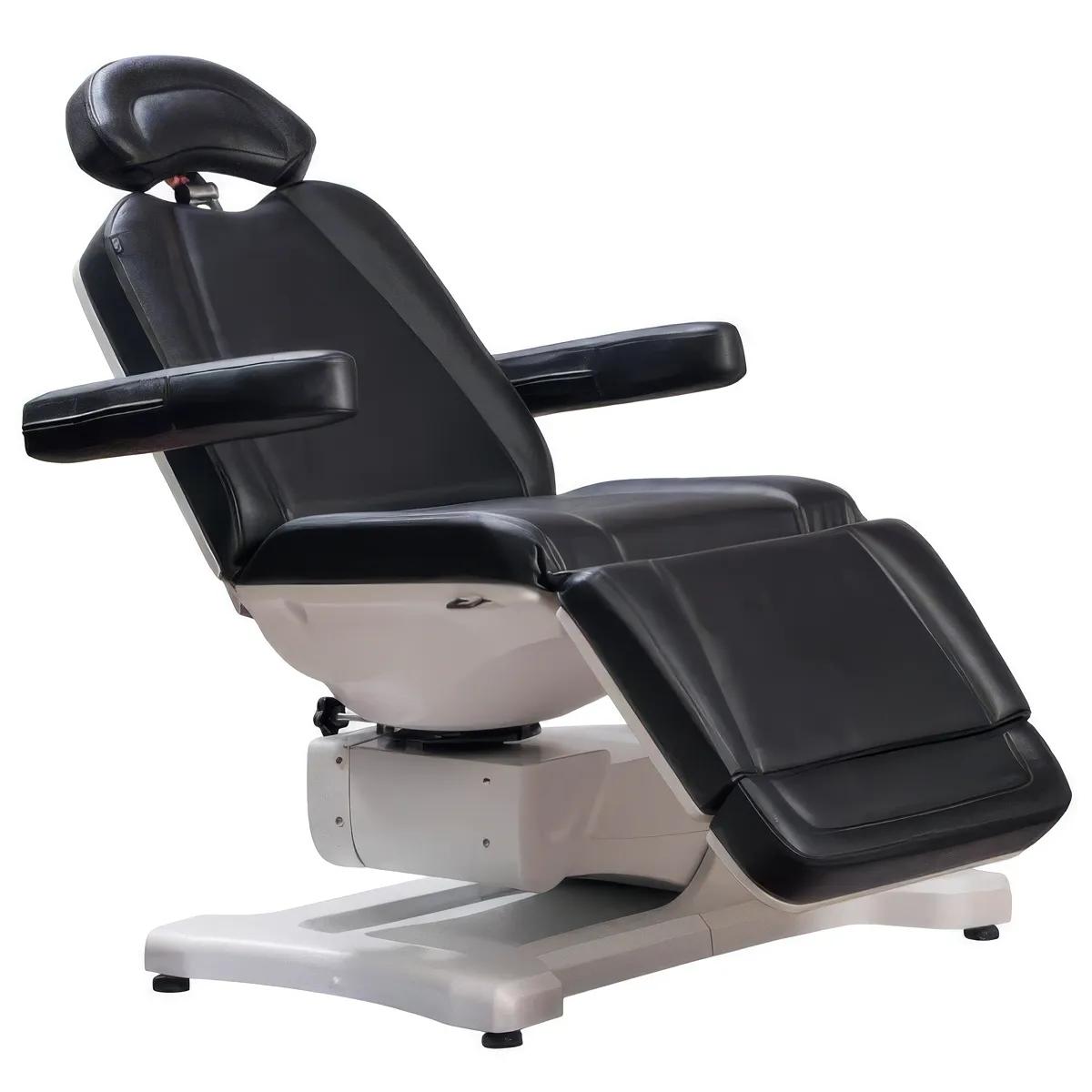
Treatment bed
Elite Electric Beauty Bed
A current electric beauty-bed example; verify live dimensions, adjustment details and installation needs before ordering.
Check current details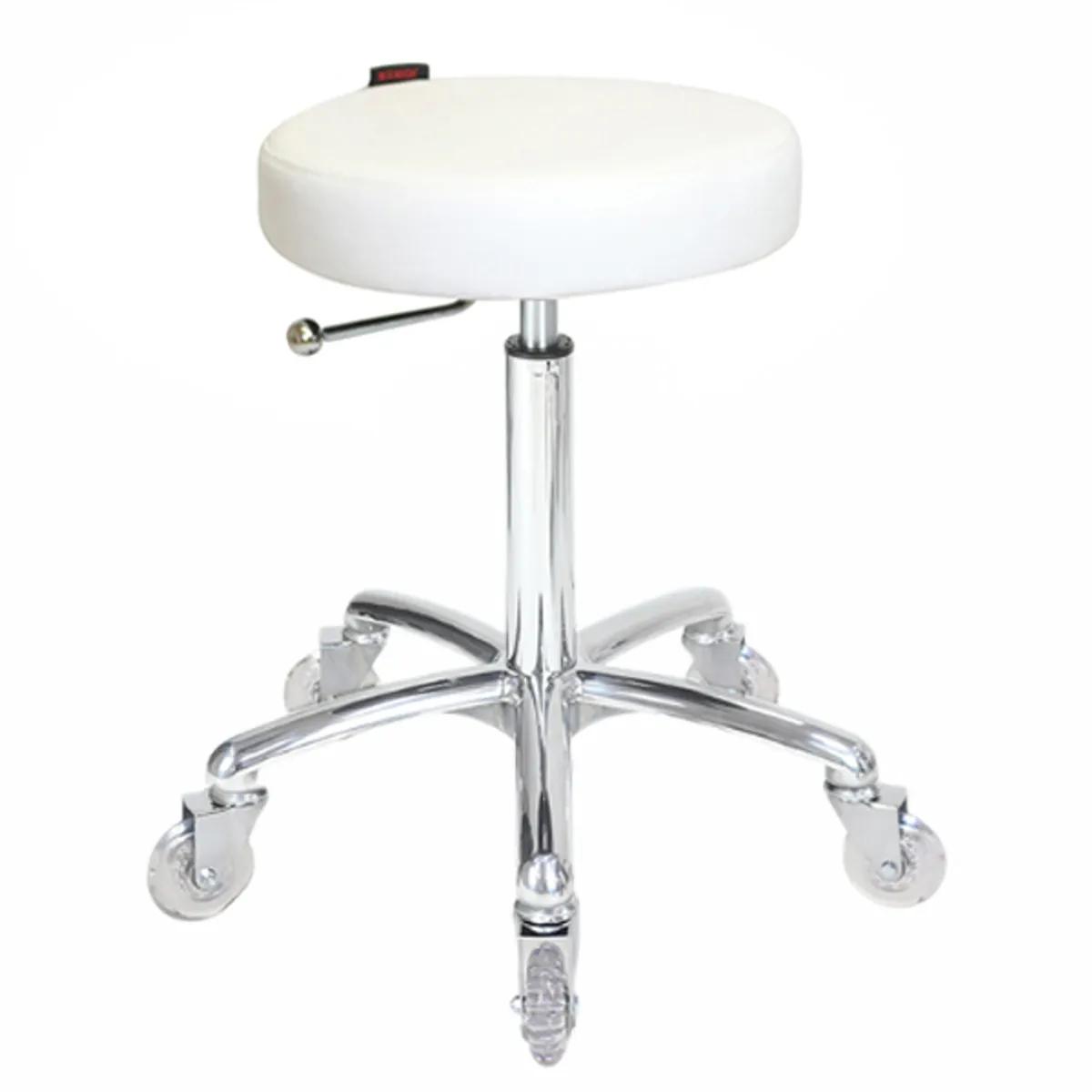
Therapist seating
Turbo Salon Stool with No Back
A current mobile salon-stool example. Compare seat format and current specifications with the therapist’s working position.
Check current details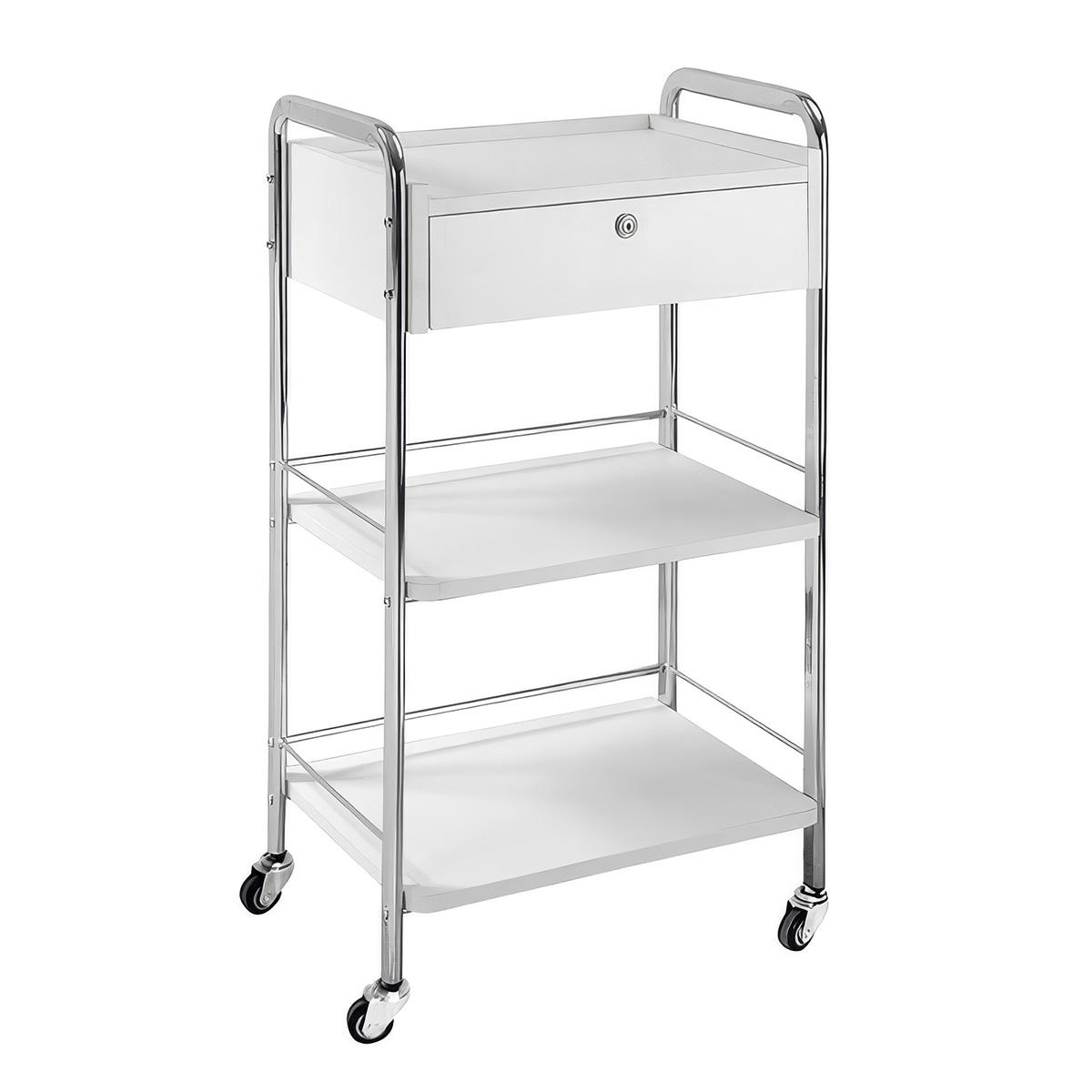
Mobile storage
3 Tier Beauty Trolley — 1 Drawer 2 Shelves
A live one-drawer, two-shelf trolley example for protected stock and current-service organisation.
Check current details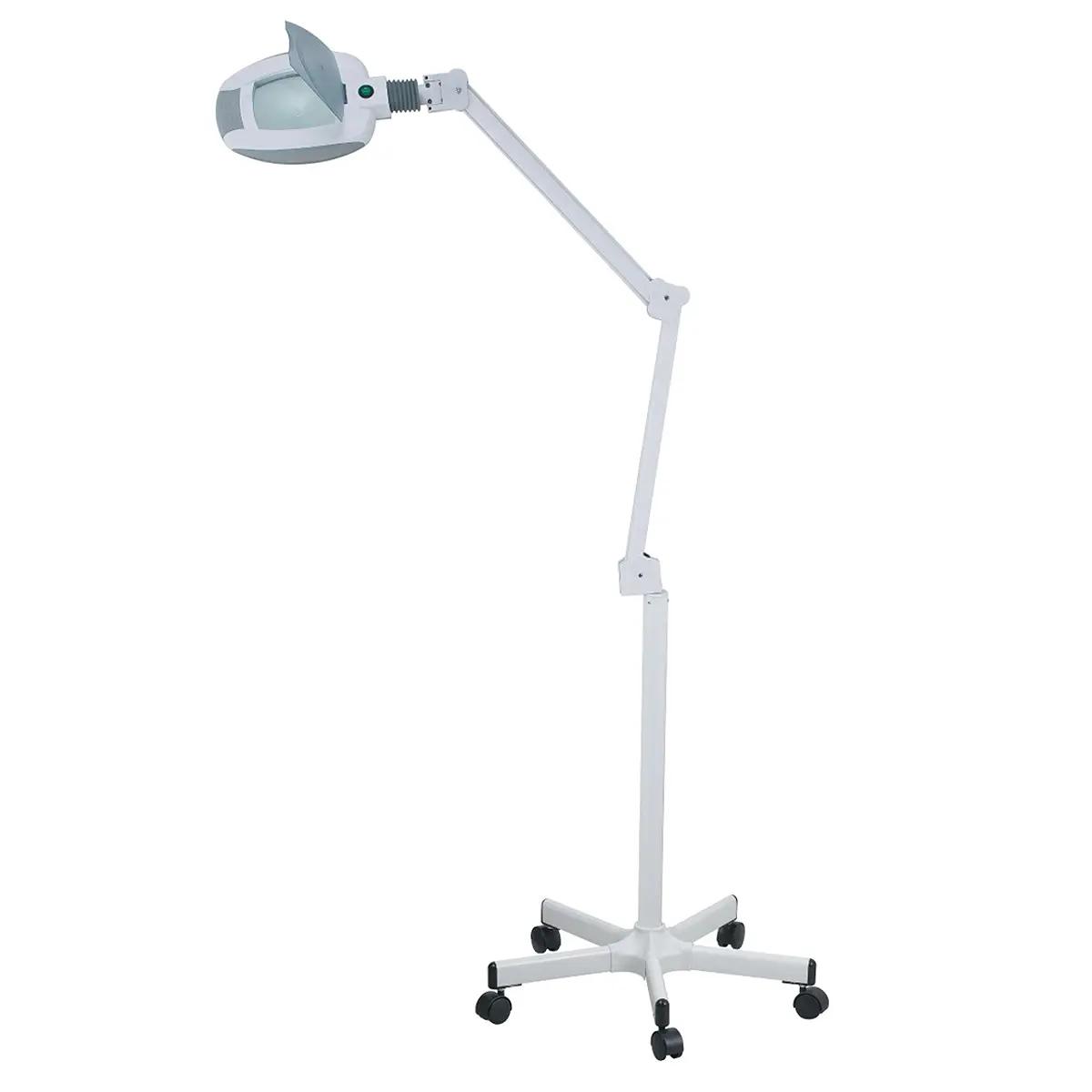
Task lighting
LED Mag Lamp with Pedestal
A current pedestal magnifying-lamp example. Check live lens, lighting, base and electrical details.
Check current details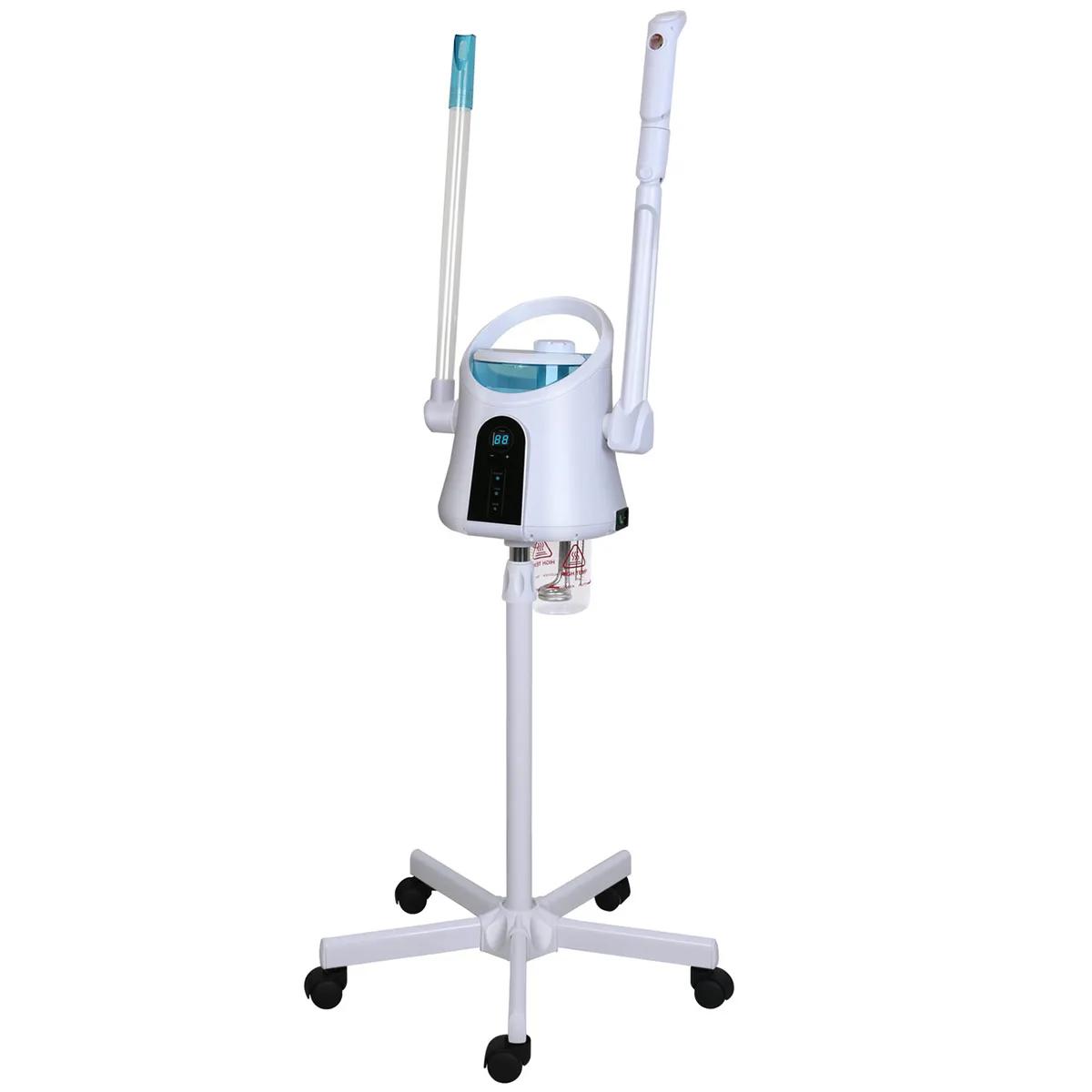
Optional treatment equipment
Opal Hot and Cold Facial Steamer
A current dual-nozzle steamer example. Include only where training, service protocols and client assessment support its use.
Check current details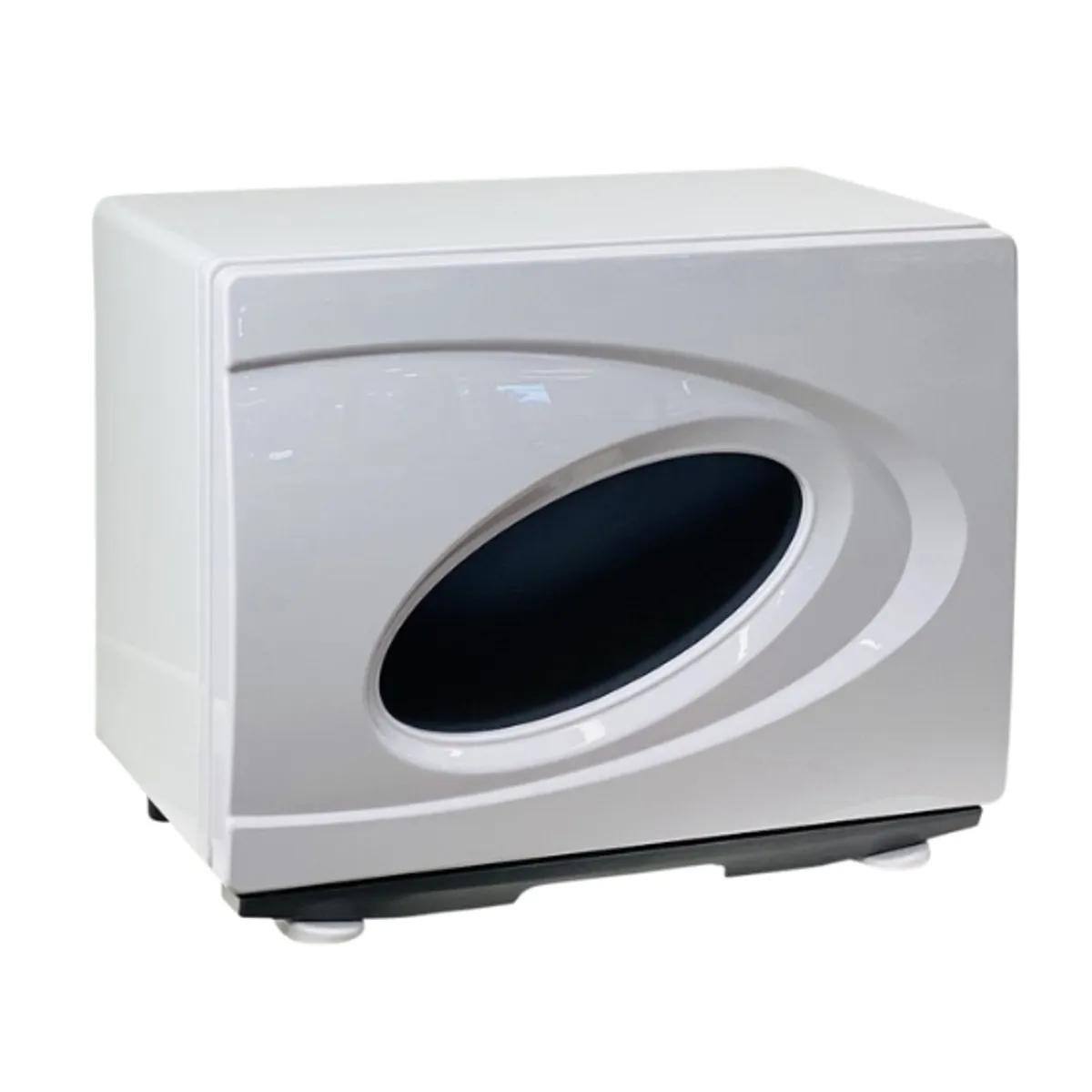
Towel warming equipment
Opal Hot Towel Cabinet with UV Light
A current hot-towel cabinet example. Do not treat a warming cabinet as proof that required cleaning, disinfection or sterilisation has occurred.
Check current details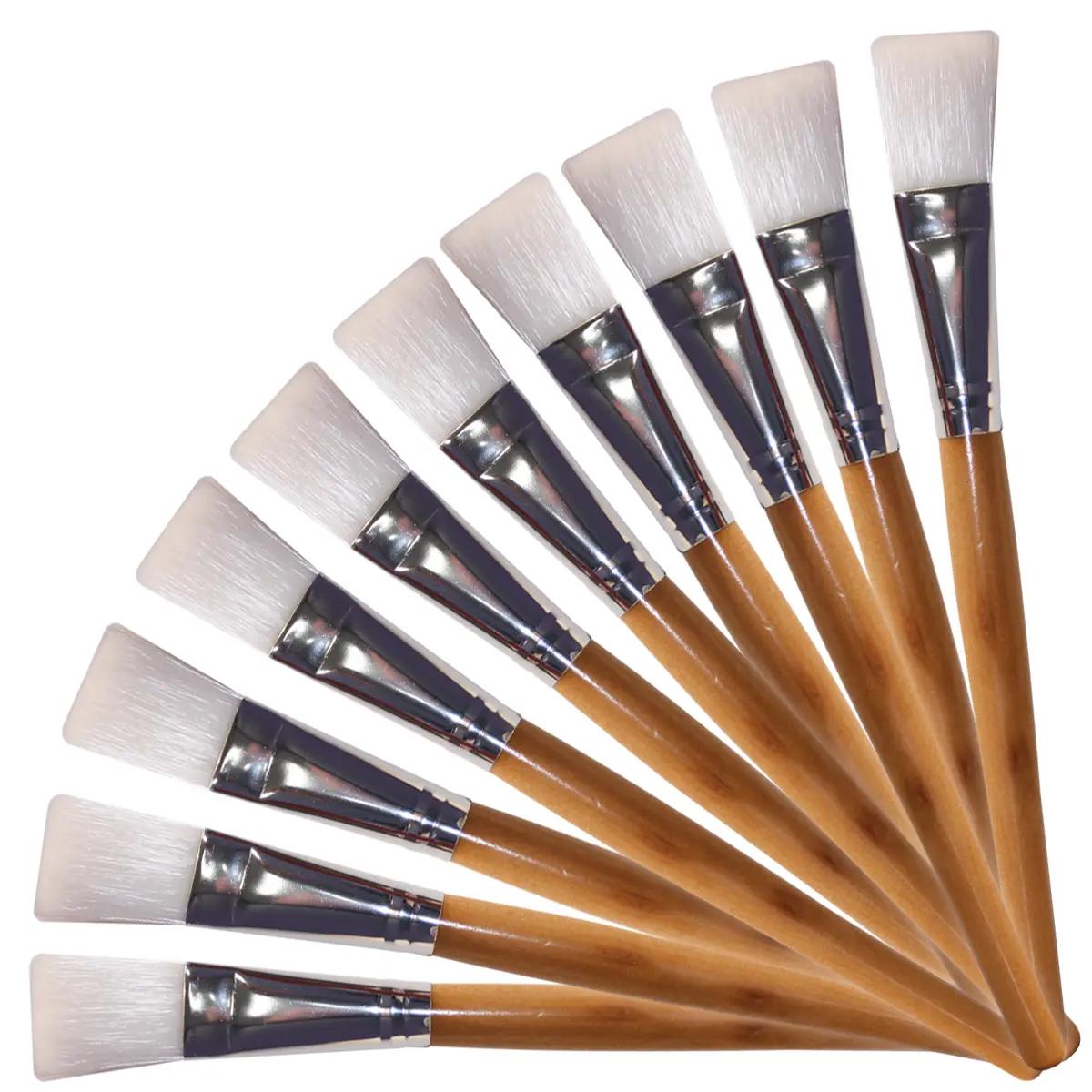
Treatment accessory
NSS Mask Brush
A current mask-application brush example requiring a suitable cleaning, inspection and storage process.
Check current details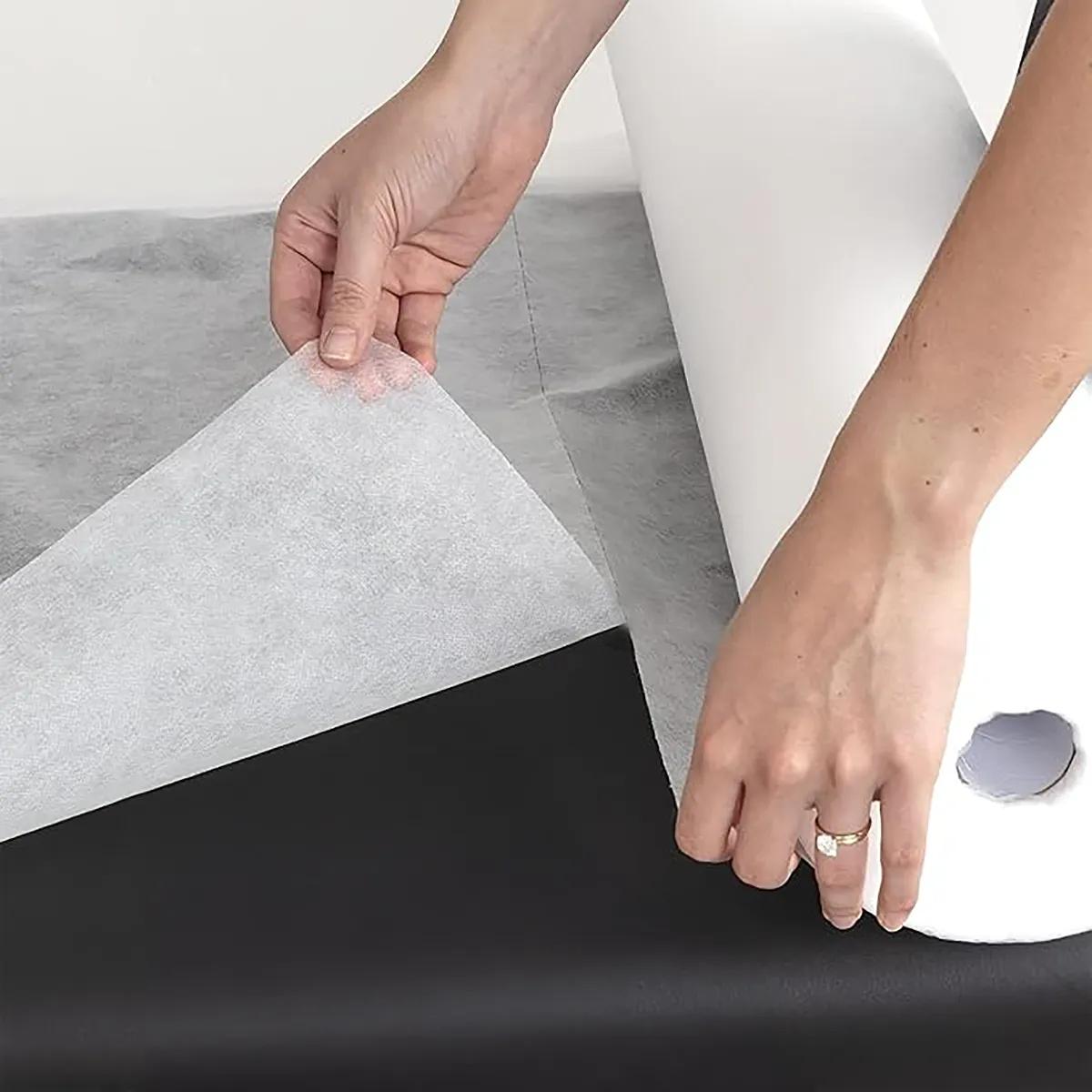
Bed protection
Bed Roll Spunbond Perforated 100m
A current perforated spunbond bed-roll option. Confirm live width and suitability for the selected bed and workplace process.
Check current details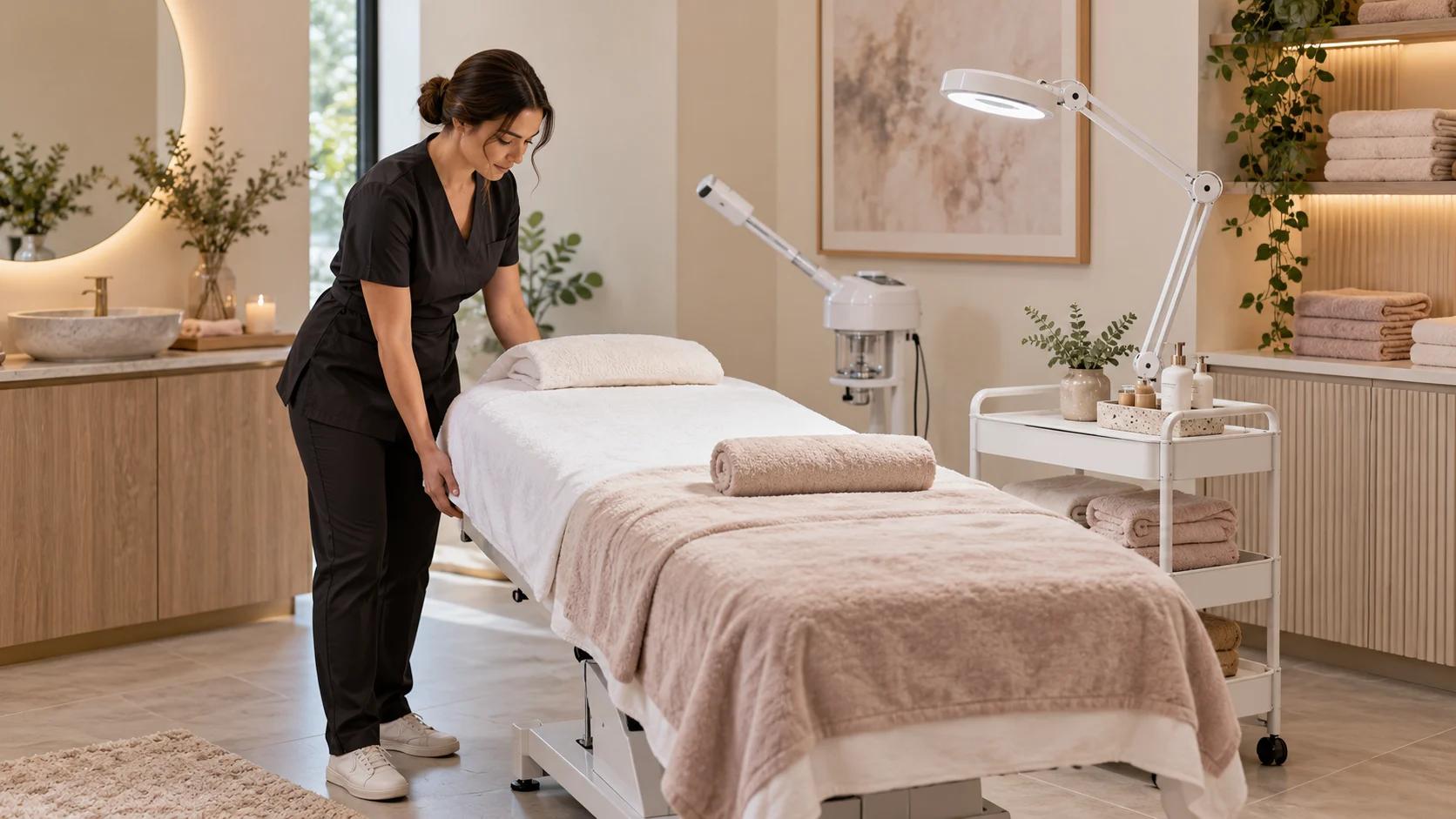
Final recommendation
Invest first in the equipment every appointment depends on: a suitable bed and stool, reliable task light, organised storage, utilities, protected supplies and a complete reset. Add a steamer, towel cabinet or advanced device only for a defined trained protocol with enough room, demand and maintenance capacity. The best facial room is not the most crowded; it is the one the team can operate calmly and consistently.
Build your professional facial room
Compare current facial equipment and beauty furniture on National Salon Supplies.
Frequently asked questions
What equipment does a professional facial room need first?
Start with the treatment menu and room measurements. Core needs commonly include a suitable treatment bed, therapist seating, stable task lighting, organised trolley or storage, handwashing and cleaning workflow, protected linen and consumables, waste setup and client records. Add powered treatment equipment only for a defined trained service.
Does every facial room need a steamer?
No. A steamer is service-specific equipment, not a universal requirement. Include one only when the salon’s trained protocol, client assessment, current manufacturer instructions, room layout and maintenance capacity support its use.
Can a UV towel cabinet sterilise salon tools?
Do not make that assumption. A hot-towel cabinet should be used only for its supported purpose. It does not replace the cleaning, disinfection or sterilisation process required for a particular tool, service or workplace.
How much space should be left around a beauty bed?
There is no single useful measurement for every room. Map the therapist’s movement, bed adjustments, trolley, stool, lighting, equipment, cords, door swing and emergency access in the actual space, then confirm applicable requirements before purchase or installation.
How should a salon budget for facial-room equipment?
Cost the complete installed system: furniture, delivery, assembly, electrical or plumbing work, accessories, training, consumables, cleaning, maintenance, downtime, insurance considerations and eventual replacement—not just the product price.